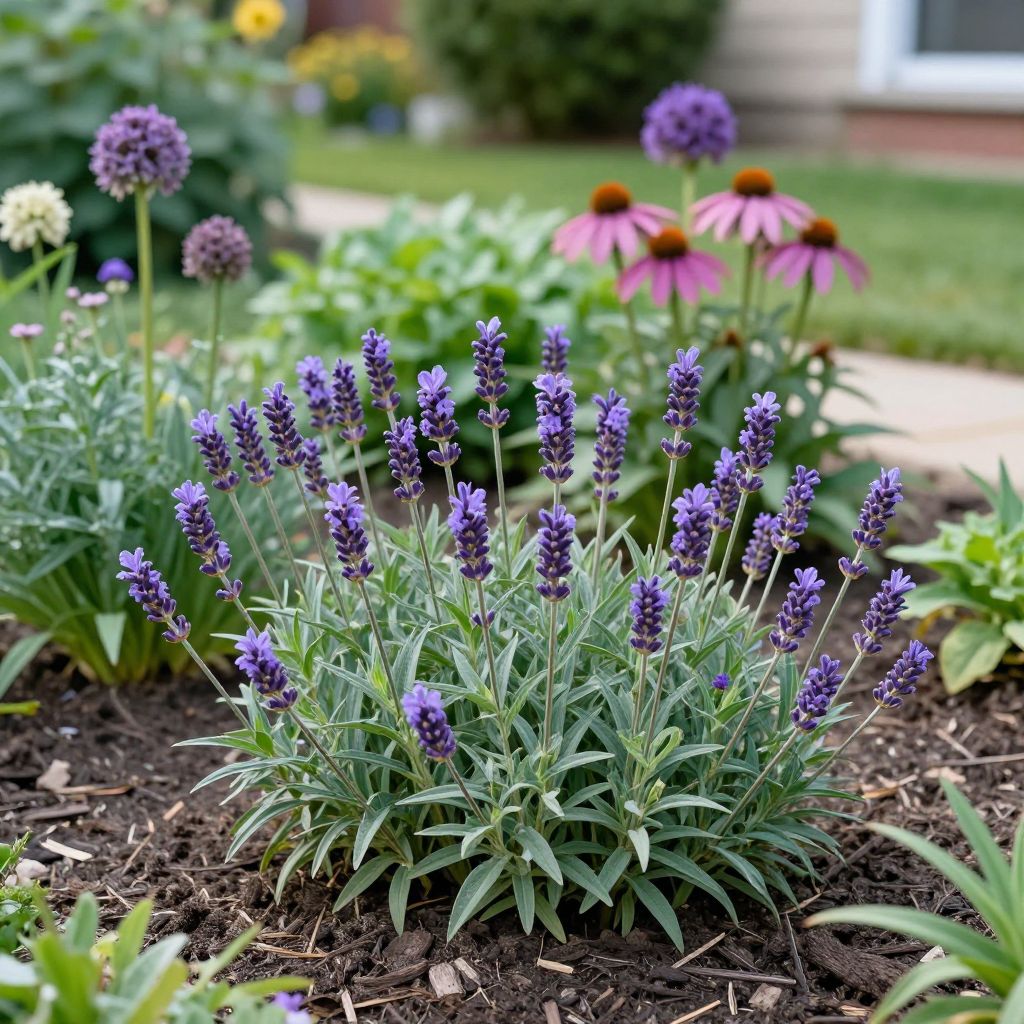
Wondering what flowers are purple for your garden? Purple blooms come in many forms, from easy annuals and dependable perennials to shrubs and bulbs, so you can find options for sun, shade, containers, and borders.
The best choice depends on your climate, soil, and how much maintenance you want. Once you match the right plant to the right spot, purple flowers can provide color from spring through fall with surprisingly little fuss.
What flowers are purple?
Purple flowers include a wide range of garden plants such as lavender, salvia, allium, clematis, irises, coneflowers, petunias, pansies, and asters. Some are annuals for one season of color, while others are perennials or shrubs that return for years when given the right sunlight, soil, and drainage.
Popular purple flowers for different garden conditions
For full sun
- Lavender (Lavandula) — fragrant, drought-tolerant, and best in very well-drained soil.
- Salvia (Salvia spp.) — upright spikes that attract pollinators and bloom for a long stretch.
- Purple coneflower (Echinacea purpurea) — a sturdy perennial with daisy-like blooms.
- Allium (Allium spp.) — globe-shaped flowers that add structure in late spring to early summer.
- Verbena (Verbena spp.) — useful in beds and containers, especially where you want a trailing habit.
For partial shade
- Clematis (Clematis spp.) — climbing vines with purple flowers in many sizes and bloom times.
- Columbine (Aquilegia spp.) — airy spring flowers that do well with some afternoon shade.
- Bellflower (Campanula spp.) — a good choice for edging and cottage-style plantings.
- Viola and pansy (Viola spp.) — cool-season flowers that can brighten spring and autumn containers.
For shade
- Astilbe (Astilbe spp.) — feathery plumes in soft purple tones for moist, shaded spots.
- Toad lily (Tricyrtis spp.) — late-season flowers for woodland gardens.
- Hellebore (Helleborus spp.) — early blooms that often lean toward mauve or purple.
How to choose the right purple flower for your garden
Start with the growing conditions you already have, not just the flower color you want. A purple flower that loves dry sun will struggle in heavy shade, and a shade plant may scorch in a hot border.
- Sunlight: Check whether the site gets full sun, partial shade, or mostly shade.
- Soil drainage: Many purple flowers, especially lavender and alliums, dislike soggy roots.
- Bloom season: Mix spring, summer, and fall bloomers for longer color.
- Plant type: Choose annuals for quick impact, perennials for return blooms, and shrubs or vines for structure.
- Maintenance level: Some flowers need deadheading or pruning, while others are more hands-off.
If you are unsure, look for plants labeled for your light level and local climate, then read the tag for mature size. That helps avoid overcrowding and reduces disease problems later.
Planting purple flowers successfully
Prepare the soil first
Most flowering plants do best in loose, fertile soil with good drainage. Work in compost if your soil is thin or compacted, but avoid overloading the bed with rich amendments if you are planting drought-loving species like lavender.
For container planting, use a quality potting mix rather than garden soil. Pots should have drainage holes so roots do not sit in water after rain or watering.
Plant at the correct depth
- Dig a hole about as deep as the root ball and slightly wider.
- Remove the plant from its container and loosen circling roots gently.
- Set the plant so the top of the root ball is level with the surrounding soil.
- Backfill, firm lightly, and water thoroughly to settle the soil.
- Mulch around the plant, keeping mulch a few inches away from stems.
Avoid burying the crown too deeply. Many flowering plants decline if the stem base stays too wet or too low in the soil.
Watering and feeding purple flowers
Newly planted flowers need regular moisture while roots establish, but established plants often prefer less frequent, deeper watering. The right amount depends on weather, soil type, and the plant itself.
- Water deeply when the top layer of soil dries and the plant shows signs of needing moisture.
- Water at the base rather than overhead when possible to reduce leaf disease.
- Check containers often because pots dry out faster than garden beds.
- Use compost as a gentle soil improver for most flowering beds.
Feeding needs vary. Heavy bloomers in containers may benefit from a balanced fertilizer used according to the label, while many perennial border plants only need compost or a light spring feeding. Too much nitrogen can produce lush leaves with fewer flowers.
Sunlight needs for the best purple color
Sun exposure strongly affects bloom quality. Many purple flowers produce the richest color and strongest flowering in bright light, though some shade lovers fade or scorch in too much sun.
General light guide
- Full sun: Best for lavender, salvia, coneflower, allium, and many annuals.
- Partial shade: Good for clematis, columbine, bellflower, and some violas.
- Shade: Better for astilbe, hellebores, and toad lilies.
If a purple-flowering plant is blooming poorly, insufficient light is often the reason. Move containers to a brighter spot or thin nearby plants that are shading the bed.
Pruning, deadheading, and seasonal care
Keep blooms coming longer
Many purple flowers flower longer if you remove spent blooms. Deadheading prevents the plant from putting energy into seed production, especially with annuals and repeat-blooming perennials.
- Pinch off faded flowers on petunias, violas, and many salvias.
- Cut back leggy growth on annuals to encourage branching.
- Remove yellowing leaves to improve airflow around the plant.
Prune with the plant’s habit in mind
Some plants, such as clematis, need pruning based on their bloom group, while lavender benefits from light shaping after flowering. Avoid hard pruning unless you know the species tolerates it.
Do not cut into old woody stems on lavender too aggressively. If you remove all the leafy growth, the plant may not regrow well from bare wood.
Common problems with purple flowers and how to fix them
Flowers are fading or looking dull
Some purple blooms naturally change tone as they age, but stress can also cause washed-out color. Heat, too much shade, poor soil, or inconsistent watering can all reduce flower quality.
- Move containers to a brighter location if needed.
- Keep soil evenly moist, not soggy.
- Feed lightly if the plant is in a pot and has been growing for a while.
Leaves are yellowing
Yellow leaves often point to overwatering, poor drainage, or nutrient imbalance. Check the soil before watering again, and make sure the plant is not sitting in compacted or waterlogged ground.
Plants are floppy or weak
Flopping can happen when a plant gets too much shade, too much fertilizer, or not enough support. Taller purple flowers such as some salvias, asters, and clematis may need staking or a trellis.
Pests and diseases
- Aphids: Common on tender growth; rinse with water or use insecticidal soap if needed.
- Powdery mildew: Often appears in crowded, humid plantings; improve airflow and avoid overhead watering.
- Root rot: Usually caused by poor drainage; replant in better soil or containers with drainage holes.
- Slugs and snails: May damage shade plants; use physical barriers or hand-pick in the evening.
How to use purple flowers in the landscape
Purple flowers work well as accents, mass plantings, and color bridges. They pair nicely with silver foliage, white blooms, pink flowers, and chartreuse leaves, depending on the look you want.
- Border planting: Use purple coneflowers, salvias, or asters for long-season color.
- Containers: Combine petunias, verbena, and trailing plants for a full, layered look.
- Pollinator gardens: Include lavender, salvia, and coneflower for bees and butterflies.
- Shade gardens: Use astilbe, hellebores, and toad lilies to brighten darker spaces.
For the strongest design effect, repeat the same purple flower in groups rather than scattering single plants everywhere. Repetition makes the color feel intentional and easier to maintain.
Propagating purple flowers
Many purple flowers can be multiplied once you have a healthy plant established. The method depends on the species.
- Division: Common for perennials such as astilbe, coneflower, and some irises, usually when the plant is dormant or just starting new growth.
- Stem cuttings: Often used for lavender, salvia, and some tender annuals.
- Seed: Works well for many annuals and some perennials, though seedlings may not match the parent exactly.
When dividing or taking cuttings, use clean tools and keep new plants evenly moist until roots establish. Healthy parent plants produce the best results.
Conclusion
If you are asking what flowers are purple, the answer is: more than you may think, and many are easy to grow once you match the plant to your site. Choose a purple flower that fits your sunlight, soil, and maintenance level, then plant it in well-prepared ground and give it the right care through the season.
For more help choosing the right plants and keeping them healthy, you may also want to read related gardening guides on container planting basics and how to improve garden soil.