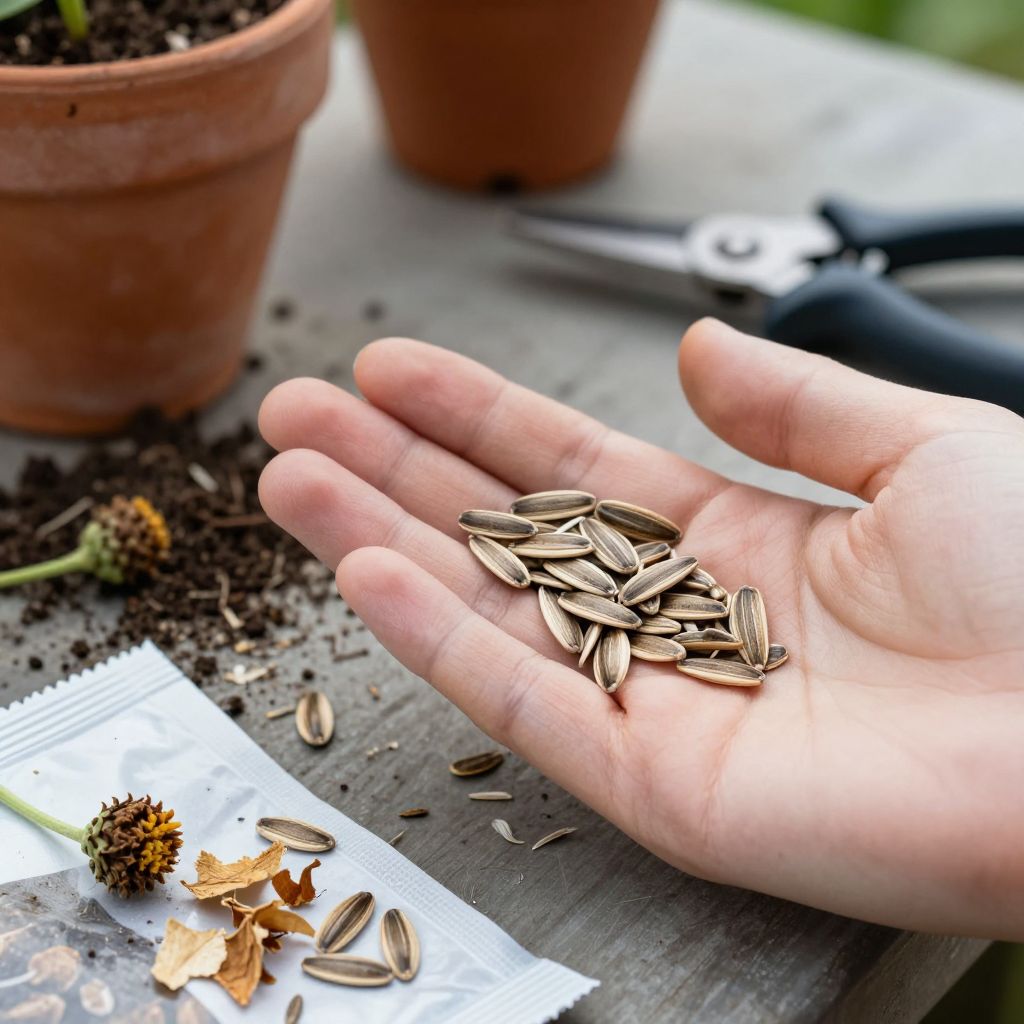
Wondering what do good zinnia seeds look like before you plant them? Healthy zinnia seeds are usually dry, firm, and plump enough to feel substantial, not shriveled or soft. They should be dark, evenly colored, and free of mold, damage, or insect holes.
Because zinnias are easy annual flowers to grow from seed, choosing good seed makes a real difference in germination and seedling strength. If you are saving your own seed or buying packets, knowing what to look for helps you avoid weak, old, or contaminated seed.
What do good zinnia seeds look like?
Good zinnia seeds are dry, hard, and usually elongated with a pointed end. They often look tan, gray-brown, or dark brown, depending on the variety and maturity, and they should feel firm rather than papery, flattened, or brittle. Healthy seeds are clean, intact, and free of visible mold or insect damage.
How to identify healthy zinnia seeds
Shape and texture
Zinnia seeds are not round like peas or beans. They are typically narrow, somewhat arrow-shaped, and slightly tapered. A good seed should feel solid between your fingers and should not crumble when gently pressed.
If a seed feels hollow, extremely light, or paper-thin, it may be immature or empty. Those seeds are less likely to germinate well.
Color and appearance
Most mature zinnia seeds are some shade of brown, gray, or blackish-brown. The exact color can vary with the cultivar and how long the flower head matured before harvest.
- Good signs: even color, dry surface, intact seed coat
- Bad signs: green or pale seed, fuzzy growth, dark soft spots, cracks, or holes
Do not worry if all zinnia seeds in a packet do not look identical. Slight variation is normal. What matters most is that they are fully mature, dry, and undamaged.
Size and fullness
Good zinnia seeds are usually plump enough to look complete, not flat and papery. Seeds from the outer ring of a flower head often mature first and may be more reliable than tiny undeveloped seeds from the center.
If you are saving seed from your own plants, choose the largest, best-formed seeds from the healthiest blooms. That gives you the best chance of strong seedlings.
How to tell if zinnia seed is viable
Appearance gives you a good first clue, but it does not guarantee germination. A seed can look fine and still be old or weak. If you want to test viability, use a simple germination test before sowing a large batch.
- Place 10 seeds on a damp paper towel.
- Fold the towel over the seeds and keep it lightly moist.
- Seal it in a plastic bag or container with a little air space.
- Keep it warm in a bright indoor spot, out of direct scorching sun.
- Check after several days and continue for up to two weeks.
If most seeds sprout, your seed is likely good. If only a few germinate, the batch may be old, poorly stored, or immature.
What bad zinnia seeds look like
Common warning signs
Bad or poor-quality zinnia seeds often show one or more of these problems:
- Wrinkled, shriveled, or collapsed seed coats
- Green or soft seeds that were harvested too early
- Mold, fuzz, or a musty smell from damp storage
- Broken seed coats or visible insect damage
- Seeds that are very light, papery, or empty
If you see mold, discard the seed. Mold can spread to nearby seed and may also indicate the seeds were stored too wet.
Old seed versus damaged seed
Old zinnia seed may still look normal, but it often loses vigor over time. Damaged seed is usually easier to spot because the seed coat may be cracked, stained, or eaten away.
When in doubt, sort your seeds first by appearance, then test a small sample before planting the whole supply.
How to harvest good zinnia seeds from your own flowers
Saving zinnia seed is simple if you let the flower heads mature fully on the plant. For the best seed, wait until the blooms have faded, dried, and turned brown before collecting.
Step-by-step seed saving
- Choose the healthiest, most vigorous plants.
- Leave a few flower heads on the plant until they are dry and brittle.
- Cut the heads on a dry day.
- Break apart the flower head and remove the seeds.
- Let them air-dry for several more days in a cool, dry place.
- Store only fully dry seed in a labeled envelope or jar.
Do not store zinnia seed while it is even slightly damp. Moisture is one of the fastest ways to ruin a seed collection.
Best flowers for seed saving
Use blooms from healthy, disease-free plants with strong stems and good flower form. Avoid saving seed from plants that were stressed by drought, severe pest pressure, or disease if you have better options.
If you are growing multiple zinnia varieties close together, keep in mind that seeds may not come true to type if the flowers cross-pollinated. That matters most if you want a specific color or bloom form.
How to store zinnia seeds so they stay good
Even good zinnia seeds can lose quality quickly if stored poorly. Keep them dry, cool, and protected from light and humidity.
- Use paper envelopes for short-term storage
- Place envelopes inside a sealed jar or container if your storage area is humid
- Label the packet with the variety and year collected
- Store in a cool indoor location, not in direct sun or a damp shed
If you live in a humid climate, check stored seed occasionally for moisture buildup. A desiccant packet can help in some cases, but the seed must already be dry before storage.
Planting zinnia seed for the best germination
Zinnias are warm-season annuals, and their seeds germinate best in warm soil. If the soil is too cold, seeds may rot or sprout unevenly.
Outdoor sowing basics
Direct sow zinnia seed after frost danger has passed and soil has warmed in your area. Choose a sunny spot with well-drained soil and avoid heavy, soggy ground.
- Sunlight: full sun is best
- Soil: loose, fertile, and well drained
- Watering: keep evenly moist until seedlings emerge
- Spacing: give plants room for airflow to reduce disease
Cover seeds lightly, since zinnia seed does not need deep planting. A shallow covering of soil is usually enough. If you bury them too deeply, germination may slow or fail.
Indoor starting tips
You can start zinnia seeds indoors in a bright, warm spot if your growing season is short. Use clean seed-starting mix and containers with drainage holes.
Keep the mix moist but not soggy. Too much water can cause damping off, a common seedling problem that makes stems collapse at the soil line.
Common problems when seeds do not sprout
Cold soil
One of the most common reasons zinnia seed fails is cold soil. Zinnias prefer warmth, so early sowing in chilly ground often leads to slow or poor germination.
Old or poorly stored seed
Seeds that were stored in heat, humidity, or direct sunlight may lose vigor. Even if they still look acceptable, they may sprout weakly or not at all.
Too much moisture
Soggy soil can rot seed before it emerges. Use a fine-textured but well-draining seed-starting mix and avoid overwatering containers or garden beds.
Insects and wildlife
Birds, ants, and soil insects can sometimes disturb newly sown seed. If this happens, use light row cover or a gentle protective barrier until seedlings are established.
How to choose good zinnia seeds when buying packets
When buying seed, look for a packet that is sealed, clearly labeled, and from a source with a recent packing date if available. Fresh seed usually performs better than old stock that has sat in storage for years.
Check that the packet includes the variety name, planting guidance, and a lot or year reference if provided. If the packet looks damaged or has been stored in damp conditions, choose another one.
- Prefer clean, intact packets
- Avoid seed that looks dusty, damp, or clumped
- Buy only what you can use in a season or two if storage conditions are uncertain
Quick visual checklist for good zinnia seeds
If you want a fast answer in the garden center or at your potting bench, use this checklist:
- Dry and firm to the touch
- Brown, gray-brown, or dark colored
- Intact seed coat with no cracks or holes
- No mold, fuzz, or musty smell
- Not flat, shriveled, or papery
- Preferably from fully dried flower heads or a fresh packet
Conclusion
Good zinnia seeds look dry, mature, and intact, with a firm feel and no signs of mold or damage. If you are saving seed, let the flower heads dry fully on the plant and store the seeds in a cool, dry place. If you are buying seed, inspect the packet and test a few seeds if you are unsure.
For more practical flower-growing advice, you may also want to read related gardening guides on starting annuals from seed and caring for zinnias through the growing season.