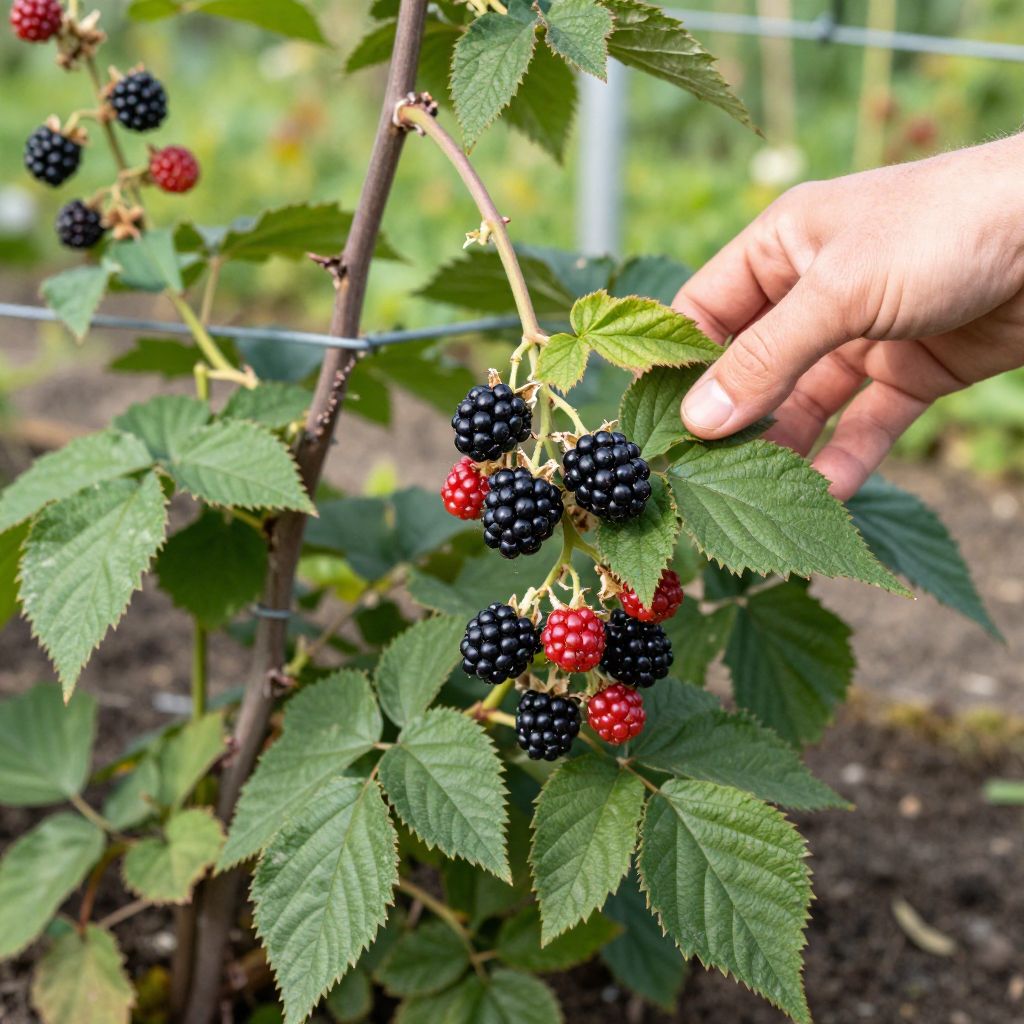
When are blackberries in season? If you want the freshest berries for eating, picking, or preserving, the answer depends on your climate, the type of blackberry, and whether the plant is an early, midseason, or late variety. In many home gardens, blackberry season runs from late spring into summer, with the harvest window often lasting several weeks.
Knowing when blackberries ripen also helps you plan pruning, watering, and pest control so the canes produce well. With the right care, you can stretch the harvest and pick berries at their best: fully black, glossy, and easy to remove from the plant.
When are blackberries in season?
Blackberries are usually in season from late spring through late summer, but the exact timing varies by region, variety, and weather. In warmer climates, berries may ripen earlier; in cooler areas, the season often starts later and can extend into early fall. Most plants produce over a few weeks rather than all at once.
What affects blackberry season timing?
Several factors determine when your blackberries ripen. The biggest are climate, cultivar, sunlight, and how the canes were pruned the previous year.
Climate and location
Blackberries ripen earlier in warm, sunny regions and later where springs are cool or summers are short. A backyard in a sheltered urban area may be ahead of a windy, exposed garden only a few miles away.
Type of blackberry
Different blackberry types ripen at different times. Some are early-season, some midseason, and others late-season. If you are planting new canes, check the plant label or nursery description for expected ripening time rather than relying on a calendar alone.
Weather during spring and summer
A cool spring can delay flowering, which pushes harvest later. Heat waves can speed ripening, but drought stress may reduce berry size and quality. Heavy rain near harvest can also soften fruit and increase disease pressure.
How to tell blackberries are ready to pick
Blackberries are ready when they are fully black, plump, and detach easily with a gentle tug. Ripe berries should look dull or slightly matte rather than red, purple, or shiny. If you have to pull hard, leave them for another day or two.
- Color: Fully black from top to bottom.
- Texture: Firm but not hard.
- Ease of picking: Comes off without crushing.
- Flavor: Sweet-tart and fully developed.
Unripe berries may look black on one side but still be red or hard in the center. Wait until the whole berry has colored evenly before harvesting.
Typical blackberry season by region
Season timing shifts with latitude and local conditions, but these broad patterns can help you plan. Use them as a guide, then observe your own plants for the most accurate harvest window.
Warm climates
In mild or warm regions, blackberries often begin ripening in late spring and continue through summer. Some plants may start earlier after a warm winter or in a protected garden bed.
Temperate climates
In many temperate gardens, the main blackberry season falls in midsummer. Harvest may start in early to mid-summer and continue for several weeks, especially if you grow more than one variety.
Cooler climates
In cooler areas, berries often ripen later, sometimes from mid- to late summer. A short growing season can compress the harvest, so choosing earlier-ripening varieties matters more.
How to grow blackberries for a better season
If you want reliable harvests, blackberries need the right growing conditions long before fruit appears. Healthy canes produce more flowers, and more flowers usually mean a longer, better season.
Sunlight
Give blackberries full sun for the best fruiting. Aim for at least 6 to 8 hours of direct sun daily. Less light can reduce flowering and delay ripening.
Soil and drainage
Blackberries grow best in fertile, well-drained soil with plenty of organic matter. They dislike waterlogged ground, which can weaken roots and encourage disease. If your soil stays wet after rain, plant on a raised bed or mound.
Compost and soil improvement
Work compost into the planting area before planting to improve soil structure and moisture retention. A layer of organic mulch afterward helps conserve moisture and suppress weeds, but keep mulch a few inches away from the crown.
Watering
Young plants need consistent moisture while they establish roots. Mature plants also benefit from steady watering during flowering and fruit swelling, especially in dry weather. Avoid soaking the foliage late in the day, which can encourage leaf disease.
Pruning and season length
Pruning has a major effect on blackberry season because fruiting happens on canes of a specific age. If you prune incorrectly, you may remove the canes that would have produced berries the following year.
Why pruning matters
Most blackberries fruit on canes that grew the previous year. After those canes finish fruiting, they usually decline and should be removed. New canes are then trained to replace them.
Simple pruning basics
- Remove spent canes after harvest if they have finished fruiting.
- Keep the strongest new canes for next season.
- Thin crowded growth to improve airflow and light.
- Support canes on a trellis or wire system if the variety needs it.
Good pruning can help berries ripen more evenly because sunlight reaches the fruiting canes more effectively. It also makes picking easier and reduces disease problems.
Common pests and diseases that affect harvest timing
Pests and diseases can shorten the blackberry season or reduce fruit quality. Catching problems early helps protect both the current crop and next year’s canes.
Birds and wildlife
Birds often discover ripe berries before you do. Netting can help, but make sure it is secured tightly so birds do not become tangled. In some gardens, deer or rabbits may browse new canes, which can reduce future harvests.
Insects
Common insect issues can include cane borers and sap-feeding pests. Check canes regularly for wilting tips, holes, or distorted growth. Remove damaged canes promptly if they are clearly affected.
Fungal problems
Wet weather can encourage fruit rot and leaf diseases. To reduce risk, avoid overcrowding, water at the base, remove fallen fruit, and pick berries promptly when they are ripe.
How to harvest blackberries properly
Pick blackberries in the cool part of the day if possible, especially in hot weather. Handle the fruit gently because ripe berries bruise easily and can collapse in a container.
Harvesting steps
- Check the plant every 1 to 2 days during peak season.
- Choose berries that are fully black and easy to detach.
- Gently lift or roll the berry off the receptacle.
- Place fruit in a shallow container to avoid crushing.
- Remove overripe or damaged berries to discourage pests.
Do not wash blackberries until you are ready to use them. Extra moisture shortens storage life. If you need to clean them, do so gently and dry them well.
How to extend the blackberry season
You can often lengthen your harvest by planting more than one variety with different ripening times. This is one of the simplest ways to enjoy berries over a longer period.
- Plant early, midseason, and late varieties if your climate supports them.
- Grow plants in full sun for stronger flowering and ripening.
- Keep canes trained and thinned so fruit gets light.
- Water consistently during dry spells.
- Pick often to encourage clean harvests and reduce spoilage.
If you only have room for one plant, choose a variety suited to your local season length and frost risk. In short-season areas, earlier ripening is usually safer than very late fruiting types.
Common mistakes to avoid
Many blackberry problems come from a few simple mistakes. Avoiding them can make the season more productive and less frustrating.
- Picking berries too early because they look black before they are fully ripe.
- Letting canes become overcrowded and shaded.
- Overwatering heavy soil or planting in poor drainage.
- Skipping pruning and leaving old canes in place too long.
- Ignoring birds, which can strip ripe fruit quickly.
When to expect fruit on new plants
Newly planted blackberries may not give a full crop right away. Some plants need a season to establish before they produce well, while others may give a light harvest sooner depending on their age and type.
Focus first on root establishment, cane growth, and healthy structure. A strong plant usually gives a better season in the following year than a stressed plant forced to fruit too early.
Conclusion
When are blackberries in season? In most gardens, from late spring through summer, with exact timing shaped by your climate and variety. Watch for fully black, easy-to-pick fruit, and support your plants with sun, drainage, pruning, and steady care. If you are planning ahead, choose varieties with staggered ripening to stretch the harvest.
For more help with berry care and harvest timing, you may also want to read about pruning berry canes for better fruit production and improving garden soil with compost.