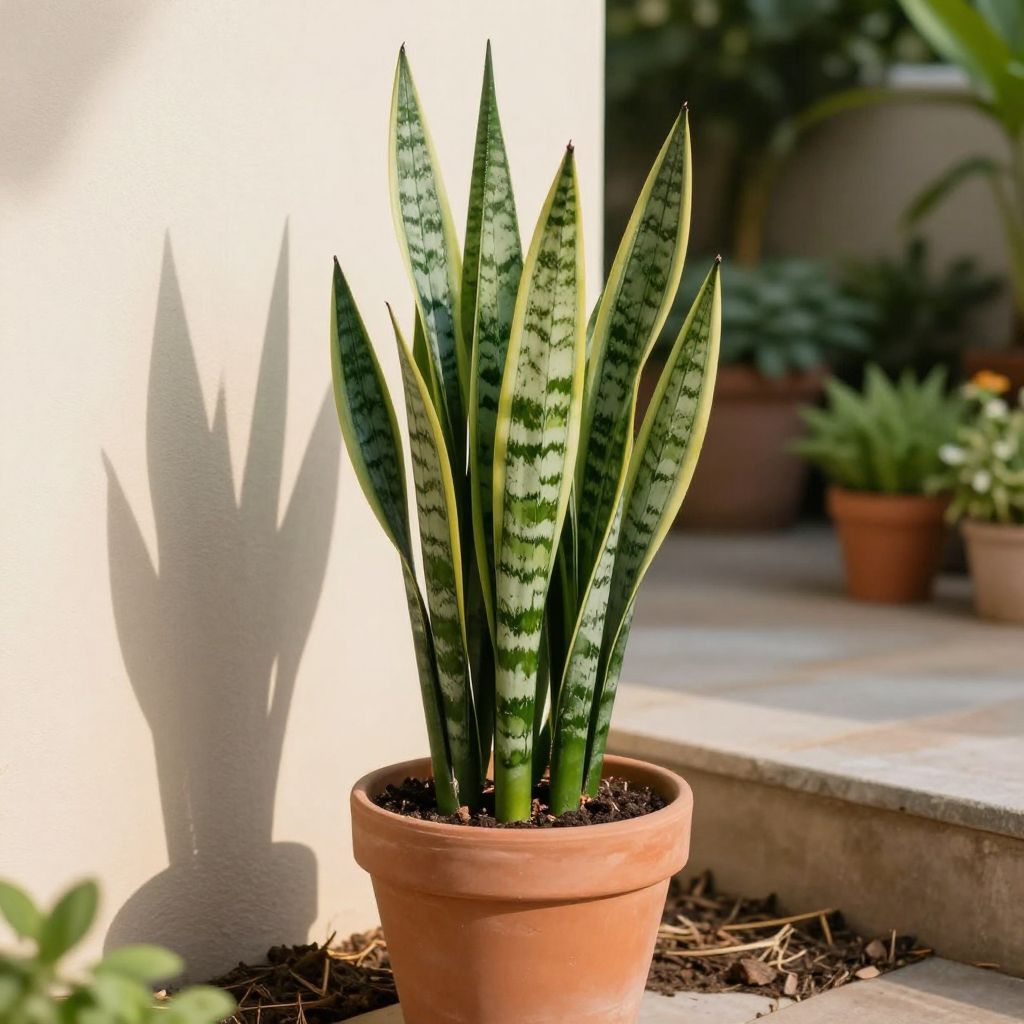
Can snake plants live outside? Yes, but only when your climate, light, and drainage suit them. Snake plants (Dracaena trifasciata, formerly Sansevieria) can grow outdoors in warm regions, in containers, or as seasonal patio plants, but they are not frost-tolerant and dislike soggy soil.
The key is matching the plant to the site. If you can provide warmth, bright filtered light or gentle sun, and fast-draining soil, snake plants can be tough, low-maintenance outdoor plants.
Can snake plants live outside?
Yes, snake plants can live outside in warm, frost-free climates and in sheltered spots with well-drained soil. They do best where temperatures stay above about 50°F (10°C), though growth slows in cooler weather. In cold regions, grow them in pots and bring them indoors before frost.
Where snake plants grow best outdoors
Outdoor success depends more on drainage and temperature than on how “hardy” the plant seems. Snake plants are drought-tolerant succulents that prefer conditions similar to a bright, dry, protected patio or courtyard.
Light conditions
Snake plants handle a range of light, from bright shade to morning sun. Outdoors, they often look best in bright indirect light or dappled sun, especially in hot climates.
- Hot sun: Can scorch leaves, especially in afternoon exposure.
- Partial shade: Often ideal in warm regions.
- Deep shade: Survives, but growth may be slow and leggy.
Temperature and frost
Snake plants are sensitive to cold and can be damaged by frost. If your area gets freezing nights, treat them as container plants or seasonal outdoor accents rather than permanent in-ground plants.
- Protect from frost and cold rain.
- Move pots indoors when nights cool significantly.
- Avoid planting in exposed, windy sites that stay wet and cold.
How to plant snake plants outdoors
If you live in a suitable climate, plant snake plants in a site that drains quickly and never stays waterlogged. Raised beds, slopes, and gravelly borders are usually better than heavy clay soil.
- Choose a spot with bright light and shelter from harsh afternoon sun.
- Test drainage by watering the area and checking whether water disappears within a few hours.
- Amend heavy soil with coarse sand, fine gravel, or small amounts of grit to improve drainage.
- Plant at the same depth the snake plant was growing in its pot.
- Leave space around the plant for air movement and future offsets.
Do not bury the crown deeply. Snake plants rot easily when the base stays wet or is planted too low.
Best soil for outdoor snake plants
Use a fast-draining mix rather than rich garden soil. A cactus or succulent-style mix works well in containers, and a lean, gritty soil is better in the ground.
- Well-draining potting mix for containers
- Gritty, sandy, or rocky soil in beds
- Minimal compost if your soil is already moisture-retentive
Too much compost can hold excess moisture. That may sound helpful, but for snake plants it often increases the risk of root rot.
Container growing outdoors
For many gardeners, pots are the safest way to grow snake plants outside. Containers let you control drainage, move the plant with the seasons, and protect it from cold snaps.
Choosing the right pot
Pick a pot with a drainage hole. Terra cotta is especially useful because it dries faster than plastic or glazed containers.
- Drainage hole: Essential
- Pot size: Only slightly larger than the root ball
- Material: Terra cotta or other breathable containers are helpful
Watering outdoor pots
Outdoor containers dry faster than indoor pots, but snake plants still prefer to dry out between waterings. Check the soil with your finger before watering.
- Water only when the top few inches of soil are dry.
- In rainy weather, pause watering entirely.
- Empty saucers so roots do not sit in water.
In hot weather, a pot may dry more quickly than you expect. In cool or cloudy weather, it may stay damp for much longer. Always adjust to conditions rather than following a fixed schedule.
Seasonal care for snake plants outdoors
Snake plants need different care through the year, especially if you move them between indoors and outdoors. Watch the weather, not the calendar alone.
Spring and summer
These are the main growth seasons in many climates. Outdoor snake plants may produce new leaves or offsets if they get enough warmth and light.
- Increase watering slightly during active growth, but never keep soil wet.
- Rotate pots occasionally so growth stays even.
- Check for sun scorch if moving plants into brighter light.
Fall and winter
As temperatures drop, slow watering and prepare to move container plants indoors if frost is likely. Outdoor in-ground plants in marginal climates should be protected or lifted before cold weather arrives.
- Reduce watering as growth slows.
- Bring potted plants inside before cold nights.
- Keep outdoor plants dry during extended cold, wet periods.
Common problems when snake plants grow outside
Most outdoor snake plant problems come from too much water, too much sun, or cold damage. Catching issues early makes recovery much easier.
Yellowing leaves
Yellow leaves often mean excess moisture, poor drainage, or root stress. If the soil stays wet, stop watering and check the roots.
- Let the soil dry out completely.
- Improve drainage or repot into a drier mix.
- Remove badly rotted roots and soft leaves.
Brown, crispy patches
These are often sun scorch or cold injury. Move the plant to gentler light if it is getting harsh afternoon sun, or protect it from chilly nights.
Soft, mushy bases
This usually signals rot. If the plant feels loose at the soil line or the base turns soft, act quickly.
- Remove the plant from wet soil.
- Trim away rotten roots or leaves with clean tools.
- Let cuts dry before repotting in fresh, dry mix.
- Water sparingly until new growth appears.
Pests outdoors
Snake plants are fairly pest-resistant, but outdoor plants can still attract mealybugs, scale, or spider mites, especially if stressed.
- Inspect leaf bases and undersides regularly.
- Wipe pests off with a damp cloth or cotton swab.
- Isolate container plants if infestations spread.
Can snake plants stay in the ground year-round?
Only if your climate is warm enough and frost is not a concern. In frost-free or nearly frost-free regions, snake plants may survive in the ground for years if drainage is excellent. In colder areas, they are better treated as seasonal outdoor plants or container specimens.
If you are unsure whether your site is suitable, start with a pot. That gives you flexibility and lowers the risk of losing the plant to cold or rot.
Propagation outdoors
Outdoor snake plants can be propagated by division, which is the easiest and most reliable method. Mature clumps often produce offsets that can be separated and replanted.
Simple division steps
- Remove the plant from the pot or dig up a clump carefully.
- Separate an offset with roots attached, if possible.
- Let any fresh cuts dry briefly.
- Replant in a dry, well-draining mix.
- Wait before watering so the cut surfaces can settle.
Propagation is easiest in warm weather when the plant is actively growing. Avoid dividing stressed plants during cold, wet periods.
Best practices for long-term outdoor success
Snake plants are low-maintenance, but they are not no-maintenance. A few simple habits will keep them healthy outside.
- Choose drainage first, then light.
- Water only after the soil dries.
- Protect from frost and prolonged cold rain.
- Use a pot if your climate is uncertain.
- Check for rot, pests, and sun damage regularly.
The biggest mistake is overwatering. Outdoors, rain can do the same damage as a watering can if the soil drains poorly.
Conclusion
So, can snake plants live outside? Yes, if you give them warmth, excellent drainage, and protection from frost. If your climate is borderline, grow them in containers so you can move them as conditions change. Start by checking your site’s drainage and light, then choose the safest planting method for your area.
If you want to learn more about how snake plants behave in different situations, you may also find these guides helpful: can snake plants live in water and are snake plants succulents.