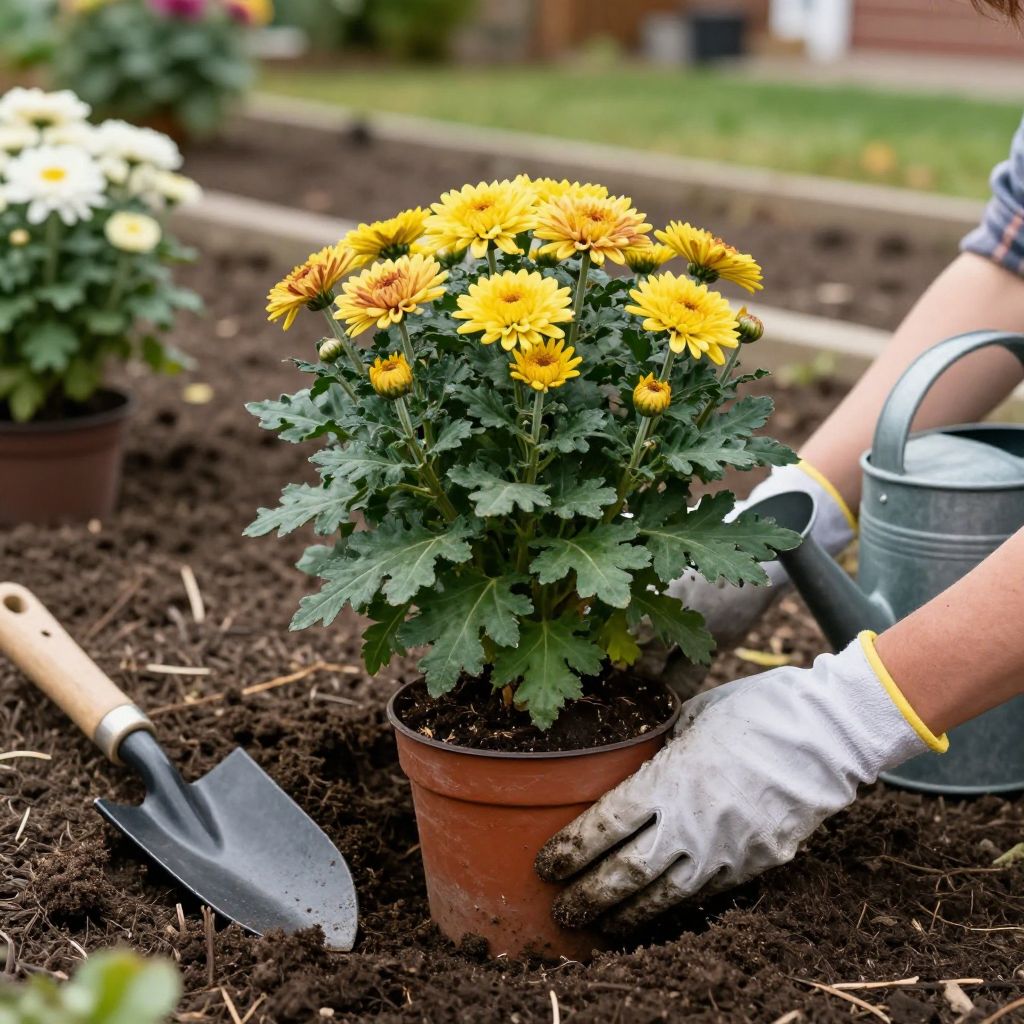
Wondering when to plant mums so they settle in well and bloom beautifully? The best time depends on whether you’re planting hardy garden mums or buying potted mums for seasonal color. In most climates, planting in spring or early fall gives mums the best chance to establish strong roots before extreme heat or hard frost.
If you plant at the right time and give mums the right soil, sunlight, and water, they can become dependable garden perennials rather than just a short-lived display. Here’s how to choose the best planting window and avoid the most common mistakes.
When to plant mums?
The best time to plant mums is spring, after the danger of hard frost has passed, or early fall in mild climates, at least 6 to 8 weeks before the first expected frost. Spring planting gives mums the longest time to establish roots, which usually improves survival and future blooming.
Best planting time by season
Spring: the best choice for long-term success
Spring is usually the safest and most effective time to plant mums in the ground. The plants have the entire growing season to develop roots before winter arrives.
This matters because mums planted late often look fine for a few weeks, then struggle once cold weather hits. A well-rooted plant is much more likely to return the following year.
Early fall: possible, but only if timing is right
Early fall planting can work in regions with a long, mild autumn. The key is to plant early enough that roots can grow before the soil cools and freezes.
If you plant mums too late in fall, they may survive as short-term color plants but not establish enough to overwinter well.
Late fall: usually not ideal for garden planting
Late fall is generally too risky for planting mums in the ground. The plant may not have enough time to root in before winter dormancy.
If you buy mums late in the season, it is often better to enjoy them in containers or treat them as temporary seasonal color rather than expecting them to establish in the landscape.
How to tell whether your mums are garden mums or florist mums
Not all mums are equally suited to garden planting. Garden mums are bred to survive outdoors, while many florist mums are meant for indoor display or short-term container use.
- Garden mums: better for planting in beds and borders, more likely to overwinter outdoors.
- Florist mums: often sold in bloom for decoration, may not be hardy in your climate.
If you’re unsure, ask the nursery whether the plant is intended for landscape planting. That one question can save you from disappointment later.
Where mums grow best
Sunlight
Mums bloom best in full sun, which means at least 6 hours of direct light per day. In hotter climates, a little afternoon shade can help prevent stress, especially in newly planted mums.
Soil and drainage
Mums prefer soil that drains well and stays evenly moist, not soggy. Heavy clay soil can lead to root rot if water collects around the roots.
If your soil is dense, improve it before planting by mixing in compost. This helps with drainage, soil structure, and root growth.
Spacing
Give mums room to grow. Good air circulation helps reduce disease problems later in the season.
- Space small mums about 12 to 18 inches apart.
- Space larger varieties about 18 to 24 inches apart.
How to plant mums in the ground
- Choose a sunny, well-drained site. Avoid low spots where water collects.
- Prepare the soil. Work in compost if the soil is poor or compacted.
- Dig a hole twice as wide as the root ball. Keep the depth about the same as the pot.
- Loosen the roots gently. If the plant is rootbound, tease apart circling roots before planting.
- Set the plant at the same level it was growing in the container. Do not bury the crown.
- Backfill and water thoroughly. Remove air pockets around the roots.
- Mulch lightly. Use a thin layer of mulch, keeping it away from the stem.
Planting too deep is a common mistake with mums. The crown should sit at or just slightly above soil level so it does not stay wet and rot.
Container planting tips
If you’re growing mums in pots, timing is a little more flexible. You can plant them in containers during spring, summer, or early fall, as long as you can keep up with watering and protect them from extreme weather.
Use a container with drainage holes and a quality potting mix, not garden soil. Container mums dry out faster than in-ground plants, so check moisture often during warm weather.
- Choose a pot that is wide enough for root growth.
- Make sure excess water can drain freely.
- Refresh or repot crowded mums in spring for best growth.
Watering newly planted mums
New mums need consistent moisture while roots are establishing. Water deeply after planting, then keep the soil evenly moist, not saturated.
As a general rule, check the top inch of soil. If it feels dry, water. If it still feels damp, wait. Overwatering is just as harmful as underwatering, especially in poorly drained soil.
Signs of watering problems
- Too dry: drooping leaves, crispy edges, buds that fail to open well.
- Too wet: yellowing leaves, wilting despite wet soil, soft stems, root rot.
Should you pinch mums after planting?
Pinching helps create fuller, bushier plants with more flowers, but timing matters. For spring-planted mums, you can pinch back the growing tips in late spring and early summer to encourage branching.
Stop pinching by midsummer to avoid delaying bloom. If you plant mums in late summer or fall, skip pinching and let the plant focus on rooting and flowering.
How to help mums survive winter
Even hardy garden mums can struggle if they are planted too late or left exposed to winter stress. The best winter protection starts with healthy roots in the right planting season.
- Plant early enough for root establishment.
- Apply mulch after the ground begins to cool, not too early in warm weather.
- Avoid cutting back too soon in fall if your climate benefits from leaving some top growth for protection.
- Do not let plants sit in wet soil through winter.
In colder regions, spring planting is especially important. Late-planted mums may not have enough time to prepare for freezing temperatures.
Common mistakes to avoid
- Planting mums too late in the season. They may bloom, but the roots won’t have time to establish.
- Putting them in shade. Less sun usually means fewer flowers and weaker stems.
- Using heavy, poorly drained soil. This increases the risk of root rot.
- Letting pots dry out completely. Container mums can decline quickly in hot weather.
- Burying the crown too deeply. This can lead to rot and poor growth.
Pests and diseases to watch for
Mums can be affected by aphids, spider mites, leaf spots, and powdery mildew. Good spacing, sunlight, and airflow help reduce many of these problems.
If you notice damaged leaves or sticky residue, inspect the undersides of foliage and new growth. Remove badly affected leaves and avoid overhead watering late in the day, which can encourage disease.
Simple prevention tips
- Water at the base of the plant when possible.
- Keep plants spaced for airflow.
- Remove faded blooms and declining leaves.
- Do not overcrowd mums near dense shrubs or walls.
Can you plant mums after they bloom?
Yes, but success depends on timing. If the plant has finished blooming and there is still enough warm weather left, you can plant it in the ground and water it well. The earlier in the season you do this, the better the root establishment.
If the plant is already blooming late in fall and frost is near, planting in the ground is less likely to help it overwinter. In that case, enjoy it as seasonal color or keep it in a protected container if conditions allow.
Quick planting checklist
- Plant in spring for the best chance of long-term success.
- Use early fall only if you have enough frost-free time left.
- Choose full sun and well-drained soil.
- Water consistently while roots establish.
- Mulch lightly and avoid burying the crown.
- Pinch spring-planted mums for fuller growth, but stop by midsummer.
Conclusion
If you want mums that do more than provide a quick burst of color, plant them at the right time: spring is best, and early fall can work in mild climates. Give them sun, drainage, and steady moisture, and they’ll have a much better chance of thriving.
If you’d like to keep going, you may also want to read about planting mums in the ground and how much water mums need for more practical care tips.