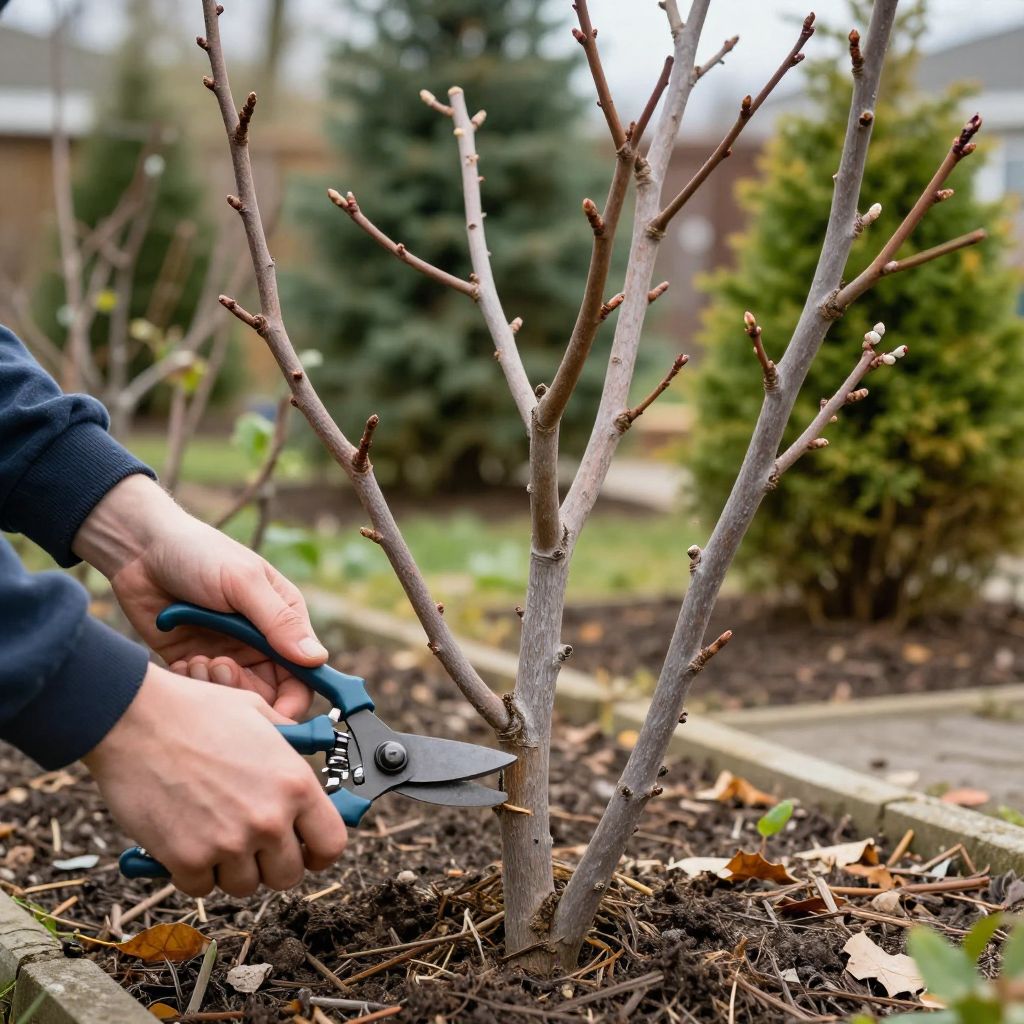
Wondering when to prune blueberry bushes so you don’t cut off next year’s crop? Timing matters because blueberries set most of their flower buds on older wood, and the right pruning helps balance fruiting, airflow, and new growth.
The best time to prune blueberry bushes is usually in late winter to early spring, while the plants are dormant and before new growth starts. You can remove dead, damaged, or weak canes anytime, but major shaping is easiest when you can clearly see the branch structure.
When To Prune Blueberry Bushes?
Prune blueberry bushes in late winter to early spring, after the coldest weather has passed but before buds begin to swell. In mild climates, this may be January to March; in colder areas, wait until late winter or very early spring. Avoid heavy pruning in fall, which can stimulate tender growth before winter.
Why timing matters for blueberry pruning
Blueberries fruit on wood that is usually one to three years old, depending on the cane and variety. If you prune at the wrong time, you may remove flower buds and reduce the current season’s harvest.
Good timing also helps the plant recover quickly. Dormant-season pruning encourages strong spring growth, improves sunlight penetration, and reduces crowded canes that can trap moisture and invite disease.
Best seasonal window
- Late winter to early spring: Best for structural pruning and renewal pruning.
- After harvest: Light cleanup only, if needed, such as removing broken or diseased wood.
- Fall: Usually avoid major pruning, especially in colder climates.
- Anytime: Remove dead, broken, or obviously diseased branches as soon as you notice them.
How to prune blueberry bushes step by step
Start with a clean, sharp pair of bypass pruners for small stems and loppers for thicker canes. If you’re working with older, neglected bushes, a pruning saw may also help.
- Remove dead, damaged, and diseased wood first. Cut back to healthy tissue or the base of the cane.
- Take out low, weak, or spindly growth. These shoots often produce poor fruit and crowd the center.
- Cut out crossing branches. Open the center so air and light can move through the shrub.
- Remove the oldest canes. On mature bushes, cut some of the oldest, darkest, thickest canes at ground level to encourage new shoots.
- Keep a mix of cane ages. Aim for a balanced framework of young, mid-aged, and productive older canes.
For young plants, prune lightly. In the first year or two after planting, focus on removing weak growth and any flowers or fruiting wood that would slow root establishment. A strong root system will support better harvests later.
How much to remove
As a general rule, a mature blueberry bush may only need light to moderate pruning each year. If the plant is overgrown, you can remove more, but avoid stripping it down too hard all at once unless you are renovating an old planting.
Do not remove so much wood that the plant is left with only a few thin stems. Blueberries need enough healthy cane structure to support growth and fruiting.
Pruning based on plant age
Newly planted blueberries
In the first year, remove broken or weak branches and shorten only what is necessary to shape the plant. If the bush is very small, it may be better to let it grow with minimal pruning so it can establish quickly.
Young, establishing bushes
During the next few years, encourage an open vase-like shape with several strong canes. Remove low shoots that touch the ground and any branches that rub or crowd each other.
Mature bushes
Mature blueberry bushes benefit from annual renewal pruning. Each year, remove a portion of the oldest canes at the base and thin out weak twiggy growth. This keeps the shrub productive and easier to harvest.
Old or neglected bushes
If a bush has become dense, tangled, or mostly unproductive, renovate it gradually over two or three seasons. Removing too many old canes at once can shock the plant and reduce fruiting for a year or more.
What blueberry bushes need before and after pruning
Pruning works best when the plant is already growing in suitable conditions. Blueberries prefer acidic, well-drained soil and consistent moisture, but they dislike soggy roots. If drainage is poor, pruning alone will not solve weak growth.
After pruning, keep the root zone evenly moist, especially as new growth begins. A layer of pine bark, pine needles, or other acidic-leaning organic mulch can help conserve moisture and moderate soil temperature, but keep mulch a few inches away from the stems.
Useful care checks
- Sunlight: Blueberries usually fruit best in full sun, though they can tolerate light shade in hot climates.
- Soil: They need acidic soil and good drainage.
- Water: Keep the soil evenly moist, not waterlogged.
- Airflow: Open canes help reduce fungal problems.
Common pruning mistakes to avoid
- Pruning too late in spring: You may remove developing flower buds or slow the season’s growth.
- Cutting off too much old wood at once: This can reduce fruiting and stress the plant.
- Leaving the center crowded: Dense growth reduces light and airflow.
- Shearing like a hedge: Blueberries usually do better with selective cane thinning than with blunt hedge trimming.
- Ignoring weak, low shoots: These often drain energy without contributing much fruit.
Another common mistake is pruning without checking the plant’s overall shape. Step back often and look at the bush from a few angles so you can keep a balanced framework.
How to tell if your blueberry bush needs pruning now
If your bush has many thin, twiggy stems, few new shoots, or fruit that is smaller than usual, it likely needs thinning. If the center is shaded and crowded, or the canes are rubbing together, pruning will help.
If the plant is young, recently transplanted, or struggling from drought, disease, or root problems, keep pruning light. In that case, focus first on recovery and only remove dead or damaged wood.
Pruning and disease prevention
Clean cuts and good airflow can reduce the risk of cane diseases and fungal issues. Use sanitized tools, especially if you are cutting out suspect wood. Wipe blades between plants if you see signs of disease.
Dispose of diseased branches rather than composting them if you are unsure whether the material is healthy. If you notice cankers, dieback, or unusual spotting, pruning alone may not be enough, and the underlying problem should be identified before it spreads.
Can you prune blueberry bushes after harvest?
You can do light cleanup after harvest, such as removing broken stems or obvious dead wood. However, major pruning is usually better left for dormancy because you can see the structure more clearly and avoid cutting off next year’s flower buds unnecessarily.
In warm climates with long growing seasons, some gardeners do a very light summer tidy-up after harvest, but the main pruning job still belongs to late winter or early spring.
Quick pruning checklist
- Prune in late winter to early spring, before bud break.
- Use sharp, clean bypass pruners and loppers.
- Remove dead, damaged, and diseased canes first.
- Thin crowded branches to improve light and airflow.
- Cut out some of the oldest canes at ground level on mature bushes.
- Keep pruning light on young plants.
- Water and mulch after pruning, especially as spring growth begins.
Conclusion
If you’re deciding when to prune blueberry bushes, aim for late winter to early spring and keep the cuts selective rather than severe. Start by removing dead and crowded wood, then shape the plant so light and air can reach the center. If you’d like to keep improving your berry patch, consider reading more about soil care and mulching for blueberries next.