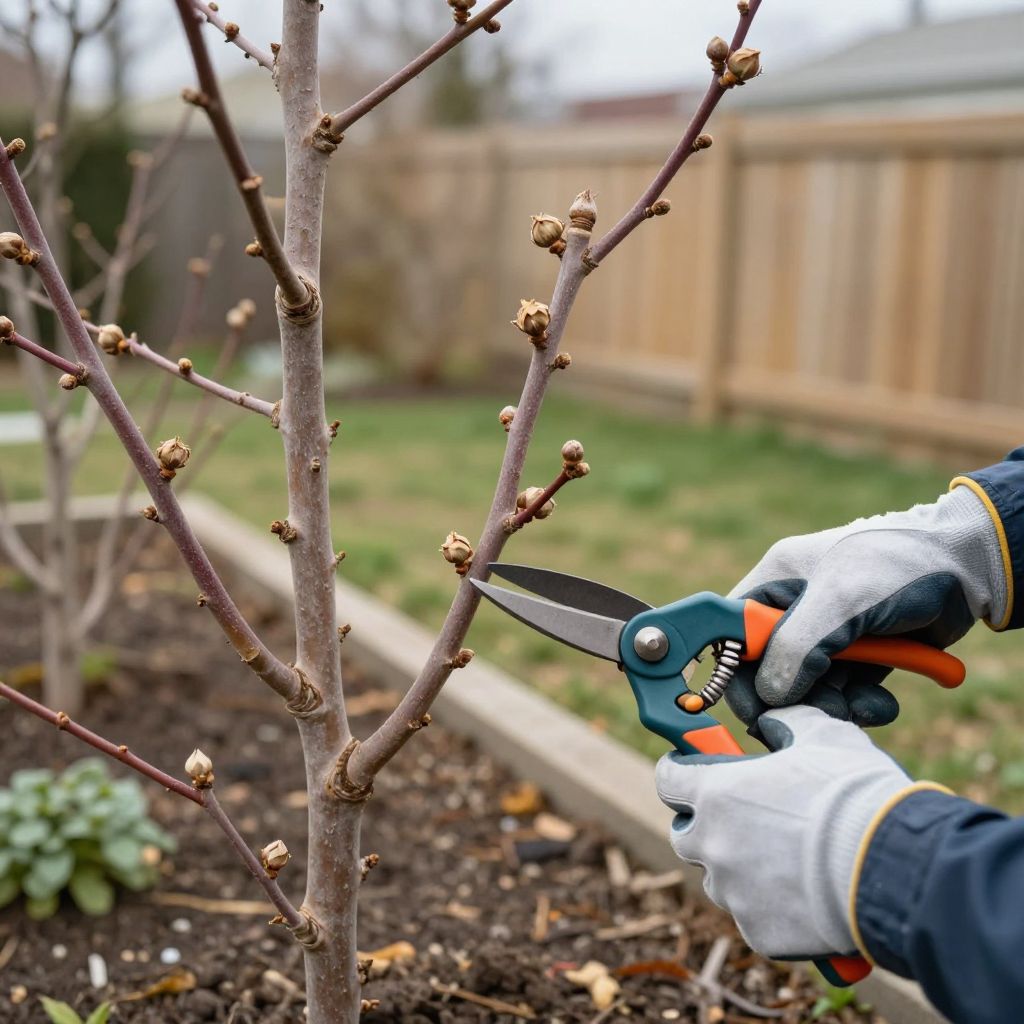
Wondering when to prune rose of Sharon so you get more flowers without stressing the shrub? The short answer: prune in late winter or very early spring before new growth starts, or prune lightly right after flowering if you only need shaping. The best timing depends on your goal, plant size, and local climate.
Rose of Sharon (Hibiscus syriacus) is a tough, summer-blooming shrub that responds well to careful pruning. With the right timing and technique, you can improve flowering, control size, and keep the plant looking tidy without cutting off next season’s best growth.
When to prune rose of Sharon?
The best time to prune rose of Sharon is late winter to very early spring, before buds swell and new growth begins. You can also prune lightly after flowering in summer if you want to remove spent blooms or make small shape corrections. Avoid heavy pruning in fall, which can encourage tender new growth that winter may damage.
Why timing matters
Rose of Sharon blooms on the current season’s growth, so pruning at the right time usually does not reduce flowering much. In fact, a late-winter cut can encourage vigorous new shoots that produce more flowers later in the season.
Timing matters because this shrub wakes up early in spring. If you prune too late, you may remove developing buds or force the plant to waste energy replacing growth you just cut away.
Best pruning windows
- Late winter to early spring: Best for structural pruning, size control, and rejuvenation.
- After flowering: Best for light shaping and deadheading.
- Any time: Remove dead, damaged, or diseased wood when you notice it.
How to prune rose of Sharon step by step
Start with a clean, sharp pair of hand pruners or loppers. For larger stems, a pruning saw helps make smooth cuts without crushing the wood.
- Remove dead or damaged branches first. Cut back to healthy wood or to the branch collar.
- Thin crowded stems. Take out a few of the oldest or weakest stems at the base to improve airflow and light.
- Shorten overly long shoots. Cut back to a side branch or outward-facing bud to keep the shrub balanced.
- Reduce height gradually. If the shrub is much too tall, lower it over one or two seasons rather than removing too much at once.
- Clean up debris. Remove cuttings from around the plant to reduce pest and disease problems.
How much can you cut back?
For mature, overgrown shrubs, rose of Sharon can tolerate fairly hard pruning, but it is usually better to avoid removing more than about one-third of the plant in a single season unless you are rejuvenating a neglected shrub. Heavy cuts are best done in late winter before growth begins.
Pruning goals and the right approach
1. To improve flowering
If your goal is more blooms, prune in late winter and focus on thinning weak or crowded stems. This helps the shrub direct energy into strong new growth, where flowers are formed.
2. To control size
If the shrub is too large for its space, shorten selected stems in late winter. Try to keep the natural vase-like or rounded shape rather than shearing it into a tight hedge, which can reduce airflow and create a dense outer shell of growth.
3. To tidy up after bloom
After flowering, you can remove spent blooms and any awkward shoots. This is a good time for light cosmetic pruning, especially if the shrub is near a walkway, patio, or foundation planting.
Common pruning mistakes to avoid
- Pruning too late in spring: You may remove emerging growth and slow the season’s flowering.
- Shearing every year: This can create dense outer growth and fewer flowers inside the shrub.
- Cutting everything back to the same height: It often produces weak, unnatural regrowth.
- Ignoring crossing branches: Rubbing stems can wound each other and invite disease.
- Using dull tools: Ragged cuts heal more slowly and look messy.
How rose of Sharon grows and why that affects pruning
Rose of Sharon is a deciduous shrub that blooms in summer on new wood. That growth habit is why late-winter pruning is usually safest and most effective. The plant can also self-seed in some gardens, so pruning spent flowers may help reduce unwanted seedlings, though it will not stop them completely.
It grows best in full sun to light shade and in well-drained soil. Healthy plants handle pruning better than stressed ones, so good basic care matters.
Growing conditions that support better pruning results
- Sun: More sun usually means better flowering.
- Soil: Average garden soil is fine if drainage is good.
- Water: Water deeply during dry spells, especially for young shrubs.
- Mulch: A 2- to 3-inch layer helps conserve moisture and protect roots, but keep it away from the trunk.
What to do with an overgrown rose of Sharon
Neglected shrubs can be brought back into shape, but do it gradually if possible. A hard cutback may be tempting, yet a staged approach often gives a better-looking result and less shock.
- In late winter, remove dead and weak stems at the base.
- Choose a few of the oldest stems and cut them out completely.
- Shorten the tallest remaining stems to a lower side branch.
- Repeat the process the following year if the shrub still needs major reduction.
If the plant is extremely dense, start by thinning the center. Better light and airflow can reduce disease problems and encourage stronger flowering wood.
Deadheading and light summer maintenance
Deadheading is optional, but it can keep the shrub looking neat. Remove faded flowers if you want a cleaner appearance or want to reduce seed formation. Use small pruners or pinch off spent blooms just above a leaf node.
Summer is also a good time to remove suckers, broken stems, or branches that are clearly out of place. Keep summer pruning light so you do not trigger a flush of tender growth late in the season.
Pests, diseases, and pruning-related problems
Rose of Sharon is generally low-maintenance, but stressed plants can attract pests such as aphids or Japanese beetles, depending on your region. It can also develop leaf spots or root problems if the soil stays too wet.
Watch for these signs
- Yellowing leaves and weak growth: May suggest poor drainage or root stress.
- Sticky leaves or curled new growth: Often points to aphids.
- Chewed foliage: Could be beetles or other leaf-feeding insects.
- Poor flowering after pruning: Usually caused by pruning too late, too heavily, or in too much shade.
Good pruning hygiene helps prevent problems. Disinfect tools if you cut diseased wood, and do not compost obviously infected debris unless your compost system gets hot enough to break it down safely.
Tools and pruning basics
For most rose of Sharon shrubs, you only need a few tools:
- Bypass hand pruners for stems up to about pencil thickness
- Loppers for thicker stems
- A pruning saw for old or woody branches
- Gloves to protect your hands from rough stems and debris
Make cuts just above a bud or side branch, and angle the cut slightly so water sheds away from the bud. Avoid leaving long stubs, which can die back and look untidy.
Quick seasonal guide
- Late winter: Best time for major pruning and size control.
- Early spring: Still acceptable in many climates if buds have not opened yet.
- Summer after bloom: Light shaping and deadheading only.
- Fall: Usually avoid heavy pruning unless removing damaged wood.
Conclusion
If you are asking when to prune rose of Sharon, aim for late winter to very early spring for the best all-around results. Use summer pruning only for light shaping or deadheading, and keep major cuts out of fall. With clean tools and a moderate approach, you can keep this shrub healthy, balanced, and flowering well.
For more practical shrub care, you may also want to read about how to prune flowering shrubs and growing rose of Sharon successfully.