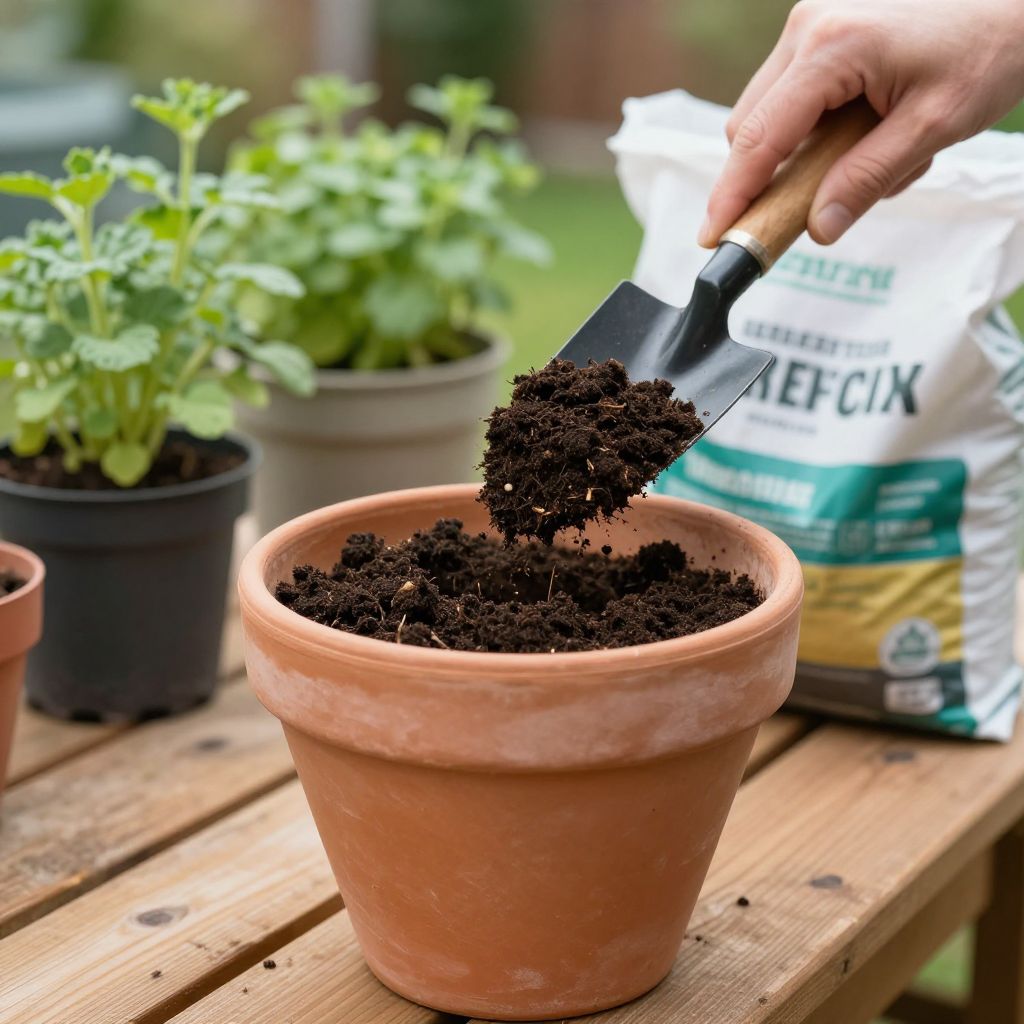
Can you use garden soil in pots? Sometimes, yes—but usually not by itself. Garden soil is often too dense for containers, which can lead to poor drainage, compaction, and root problems. Pots need a mix that holds moisture while still leaving air space around the roots.
If you want healthy container plants, the key is choosing the right potting medium for the job. With a few simple adjustments, you can sometimes improve garden soil for containers, but for most potted plants, a quality potting mix is the safer and easier choice.
Can you use garden soil in pots?
Yes, you can use garden soil in pots in limited situations, but it is usually not recommended on its own. In containers, garden soil tends to compact, drain slowly, and restrict root growth. Most potted plants do better in a lightweight potting mix designed for containers.
Why garden soil behaves differently in containers
In the ground, garden soil has room to drain, breathe, and be worked by worms, roots, and soil life. In a pot, that same soil is confined, so it can settle into a tight mass that holds too much water and too little air.
The main problems with using garden soil in pots
- Poor drainage: Water may sit around the roots instead of moving through the container.
- Compaction: Soil particles press together, reducing oxygen in the root zone.
- Weight: Pots become heavy and harder to move.
- Uneven moisture: The top may dry out while the bottom stays wet.
- Pests and diseases: Unsterilized soil can bring weed seeds, insects, fungi, or pathogens into containers.
When garden soil might be usable
Garden soil can sometimes be used for large outdoor containers, raised planters, or temporary plantings if it is loose, well-drained, and blended with other materials. Even then, it usually works best as part of a mix, not as the only ingredient.
What kind of soil should you use instead?
For most container plants, use a potting mix labeled for containers, pots, or planters. These mixes are made to stay airy and drain well while still holding enough moisture for roots to absorb.
Do not confuse potting mix with garden soil or topsoil. Potting mix is usually lighter and may contain ingredients such as peat moss, coco coir, compost, perlite, vermiculite, or bark fines.
Potting mix vs. garden soil
- Potting mix: Best for containers, hanging baskets, patio pots, and indoor plants.
- Garden soil: Best for in-ground beds, borders, and landscape planting.
- Topsoil: Often too heavy and variable for pots unless blended carefully.
How to use garden soil in pots the right way
If you want to use garden soil, improve it first. The goal is to create a container-friendly blend that drains well and does not pack down too tightly.
A simple container soil blend
A practical starting point is to mix garden soil with lighter ingredients. Exact ratios depend on how heavy your soil is, but many gardeners begin with a blend that includes more potting mix than garden soil.
- 1 part garden soil
- 1 part quality potting mix
- 1 part perlite, coarse sand, or fine bark for drainage
If your garden soil is clay-heavy, reduce the amount used or skip it entirely. Clay can hold too much water in containers and create a dense root zone.
Steps to prepare the mix
- Sift out stones, roots, sticks, and large clumps.
- Break up the soil so it is loose and crumbly.
- Blend in potting mix and a drainage amendment such as perlite or bark.
- Moisten the mix slightly before filling the pot so it settles evenly.
- Test drainage by watering the pot and checking that excess water exits freely.
Best pots and drainage for container growing
No soil mix can perform well in a pot without drainage holes. If water cannot escape, roots can suffocate or rot, especially in cool weather or with slow-growing plants.
Choose the right container
- Use pots with drainage holes.
- Choose a size appropriate for the plant’s root system.
- Larger pots dry more slowly than small ones.
- Porous containers like terracotta dry faster than plastic or glazed pots.
A saucer can protect surfaces, but do not let the pot sit in standing water for long periods unless the plant specifically prefers consistently moist conditions.
Which plants tolerate garden soil in pots better?
Some tougher outdoor plants can handle a heavier mix better than delicate houseplants. Still, even these usually perform best in a well-draining container blend rather than straight garden soil.
Plants that may cope better with a heavier mix
- Large annuals in oversized outdoor containers
- Some herbs grown outdoors in warm weather
- Hardy perennials in temporary planters
- Bulbs in seasonal containers
Plants that strongly dislike compacted soil include many succulents, cacti, orchids, and most indoor foliage plants. These need especially airy media and excellent drainage.
Watering container plants in garden soil mixes
When you use a heavier mix, watering becomes trickier. The surface may look dry before the lower layers are ready, so check moisture below the top inch or two before watering again.
How to tell when to water
- Insert a finger 1 to 2 inches into the mix.
- If it feels dry at that depth, water thoroughly.
- If it still feels cool and damp, wait and check again later.
Water slowly until excess drains from the bottom. This helps moisten the root zone evenly and flushes out salts that can build up in containers over time.
Common mistakes to avoid
Most container failures linked to garden soil happen because the mix is too dense or the pot setup does not match the plant’s needs. A few simple mistakes can cause recurring problems.
- Using straight garden soil in a pot: This is the most common mistake.
- Skipping drainage holes: Even good soil cannot fix a sealed container.
- Overwatering on a schedule: Water based on soil moisture, not the calendar.
- Using dirty or old soil without checking it: It may contain pests, weed seeds, or disease organisms.
- Choosing a pot that is too large: Extra soil can stay wet too long around young roots.
How to improve old garden soil before reusing it in pots
If you want to reuse garden soil from a bed or previous container, inspect it carefully first. Old soil can be refreshed, but it should not be reused blindly.
What to check before reuse
- Remove roots, weeds, stones, and debris.
- Look for signs of mold, fungus, or insect activity.
- Break up any compacted clumps.
- Mix in fresh compost and a drainage amendment.
- Replace soil that smells sour, stays soggy, or has had disease issues.
If a plant died from root rot, wilt, or a soil-borne disease, do not reuse that soil for another sensitive plant in the same pot.
Feeding and maintenance in containers
Container plants often need more attention than plants in the ground because nutrients wash out faster and roots have limited space. A potting mix may also contain fewer nutrients than garden soil.
Basic maintenance tips
- Feed with a balanced container fertilizer if your plant needs regular nutrition.
- Refresh the top layer of mix during the growing season if it settles.
- Repot when roots fill the container or water runs straight through too quickly.
- Trim away dead leaves and spent growth to reduce disease pressure.
Exact feeding needs depend on the plant type, pot size, light levels, and how often you water. Fast-growing annuals usually need more support than slow-growing houseplants or woody shrubs.
Troubleshooting common container soil problems
Leaves are yellowing and the soil stays wet
This often means the mix is too heavy or the pot drains poorly. Let the soil dry more between waterings, improve drainage, or repot into a lighter mix with more air space.
Water runs straight through the pot
The mix may be too coarse, too dry, or too rootbound. Rehydrate the root ball thoroughly and consider refreshing the soil with a better-balanced blend.
Plants wilt even when the soil seems moist
Roots may be struggling in compacted, oxygen-poor soil. Check for root rot, poor drainage, or a pot that is too deep and stays wet at the bottom.
White crust appears on the soil surface
This is often salt buildup from fertilizer or hard water. Flush the pot with plenty of clean water until it drains freely, and reduce feeding if needed.
Indoor vs. outdoor container growing
Indoor pots usually need an even lighter, cleaner mix than outdoor containers because airflow is lower and moisture evaporates more slowly. Outdoor pots dry faster in sun and wind, but they still need a mix that drains well.
For indoor plants, avoid heavy garden soil unless it is heavily amended and the plant is known to tolerate it. For outdoor planters, a slightly sturdier mix may be acceptable, especially in large containers that dry out quickly.
Bottom line: should you use garden soil in pots?
For most gardeners, the safest answer is no, not by itself. Garden soil is usually too dense for container growing, but it can sometimes be blended with potting mix and drainage amendments for larger outdoor pots or temporary plantings.
If you are setting up a container today, choose a well-draining potting mix, make sure the pot has drainage holes, and adjust watering to the plant and weather. For more container-growing help, you may also want to read about potting soil vs. potting mix and growing plants in containers.