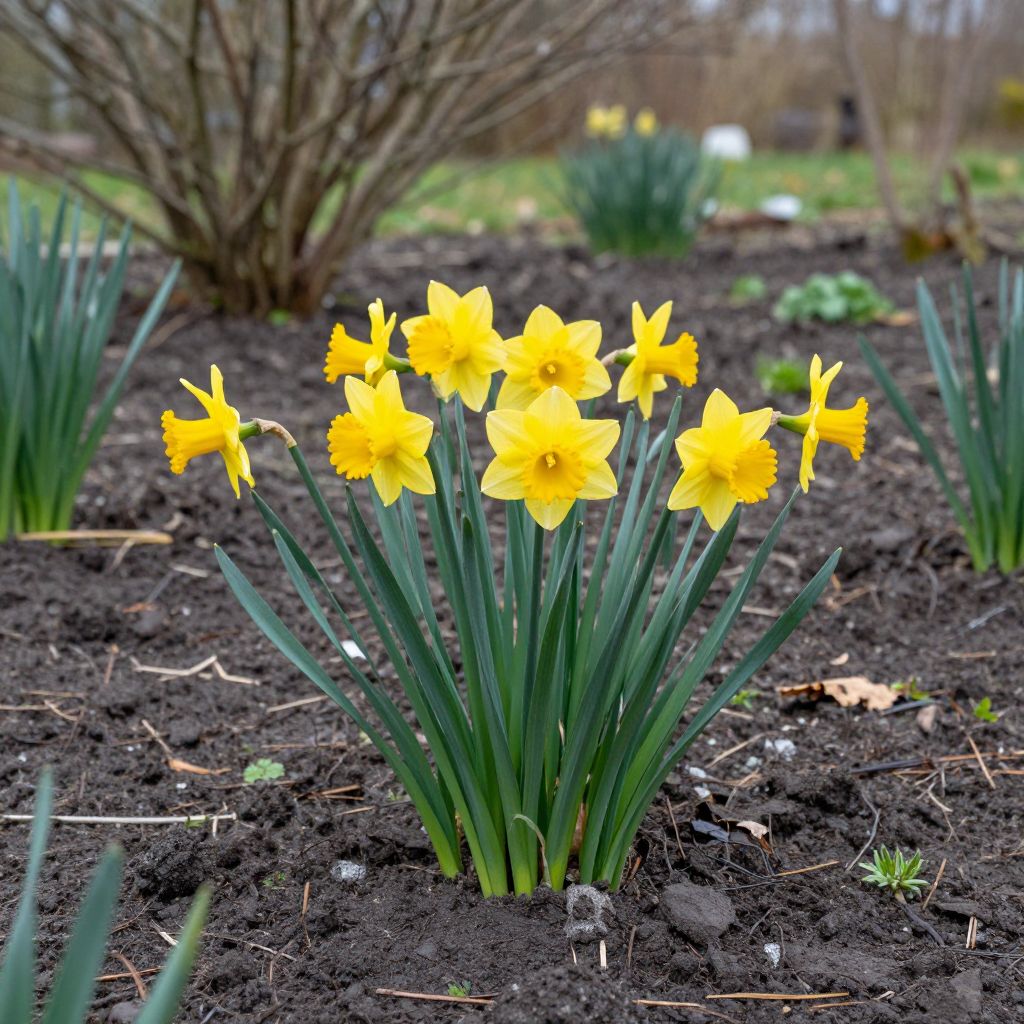
Wondering when do daffodils bloom in your garden? The short answer is that most daffodils flower in early to mid-spring, but the exact timing depends on your climate, variety, and winter weather. Some bloom very early, while others open later and stretch the display for weeks.
If you want the longest possible show, it helps to understand how daffodil bulbs grow, what triggers flowering, and how to care for them before and after bloom. A few simple planting and maintenance choices can make a big difference in bloom time and flower quality.
When do daffodils bloom?
Daffodils usually bloom in spring, often from late winter through mid-spring depending on your region and the variety. Early types may flower as soon as the soil begins to warm, while midseason and late-blooming daffodils can extend the display for several more weeks. Cooler climates bloom later; mild climates bloom earlier.
What affects daffodil bloom time?
Several factors influence when daffodils bloom, including bulb variety, local temperatures, sunlight, and how well the bulbs established the previous season. Daffodils need a cold period to form flowers, so winter chill is part of the process. If conditions are off, bloom timing can shift or flowering may be reduced.
1. Variety and bloom group
Different daffodil types bloom at different times. Early-blooming cultivars can open first, followed by midseason and late-season types. If you plant a mix, you can enjoy flowers for a longer stretch rather than seeing them all at once.
2. Weather and climate
In warmer areas, daffodils may bloom earlier and sometimes with a shorter display. In colder regions, bloom comes later because the bulbs stay dormant longer. A late cold snap can delay opening, while a warm spell can push flowers out quickly.
3. Sunlight and site conditions
Daffodils bloom best in full sun to light shade. Too much shade can lead to fewer flowers and weaker stems, which may also delay bloom. Good drainage matters just as much, because soggy soil can stress bulbs and reduce flowering.
How to grow daffodils for reliable spring bloom
To get dependable flowers, plant daffodil bulbs in well-drained soil where they can receive enough sun after winter. Bulbs should be planted in the fall in most climates, before the ground freezes, so they can root before dormancy. Healthy roots in autumn support spring bloom.
Planting basics
- Choose a site with at least half a day of sun if possible.
- Use loose, well-drained soil rather than heavy, waterlogged ground.
- Plant bulbs with the pointed end up.
- Set bulbs about 2 to 3 times as deep as the bulb is tall, which is often around 6 inches or more for many garden daffodils.
- Water after planting to help settle the soil, then let rainfall do most of the work unless conditions are unusually dry.
Soil and compost
Daffodils prefer soil that drains well but still holds some moisture. If your soil is dense clay, mix in compost to improve structure and drainage. In very sandy soil, compost helps retain moisture and nutrients without making the site soggy.
Avoid fresh manure in the planting hole. It can burn bulbs or encourage rot. Well-finished compost is the better choice.
Watering through the season
After planting, daffodil bulbs need moisture to root. Once growth begins in spring, they benefit from even moisture if rainfall is lacking, especially while buds are forming and flowers are opening. After bloom, keep the foliage lightly watered only if the soil dries out strongly.
How to tell when daffodils are about to bloom
You can usually spot blooming daffodils a little before the flowers open. The flower stalk rises first, then the bud swells and shows color. When the bud is upright and the sheath begins to loosen, bloom is close, often within days if temperatures are mild.
Signs to watch for
- Thick, strap-like leaves are fully emerged.
- A central stalk has risen above the foliage.
- The bud is plump and showing yellow, white, or orange color.
- Warm days speed opening; cool weather slows it down.
Why daffodils sometimes bloom late or not at all
If your daffodils are not blooming when you expect, the problem is often environmental rather than the bulb itself. Poor drainage, too much shade, overcrowding, or cutting back foliage too soon can all reduce flowering. Newly planted bulbs may also need a season to settle in before blooming strongly.
Common reasons for poor bloom
- Too much shade: Leaves grow, but flowers are weak or absent.
- Poor drainage: Bulbs may rot or struggle to store energy.
- Foliage removed too early: Leaves feed next year’s flowers.
- Bulbs planted too shallowly: They may be stressed or heave out of the soil.
- Overcrowding: Clumps can become congested over time.
How to fix bloom problems
- Check that the planting site gets enough sun in spring.
- Improve drainage with compost or by replanting in a better spot.
- Leave foliage in place until it yellows naturally.
- Lift and divide crowded clumps after the leaves die back if flowering has declined.
- Mark problem spots so you can replant bulbs in fall if needed.
Care after flowering
After daffodils finish blooming, the foliage keeps working to recharge the bulb for next year. This stage is important for future bloom timing and flower strength. Deadheading spent flowers helps the plant put energy into the bulb instead of seed production.
What to do after the flowers fade
- Remove faded blooms, but leave the leaves.
- Keep watering if spring is dry, especially in containers or very sandy soil.
- Do not braid, tie, or cut the foliage while it is still green.
- Wait until the leaves yellow and collapse naturally before removing them.
The leaves are not just untidy growth; they are the bulb’s energy source for next year’s flowers. Cutting them too soon is one of the most common reasons daffodils bloom poorly the following spring.
Can you force daffodils to bloom indoors?
Yes, daffodils can be forced indoors if the bulbs have had the required cold period. This is a separate process from outdoor blooming and is useful if you want flowers earlier than the garden season. Timing depends on bulb preparation and indoor temperatures.
Indoor forcing basics
- Use healthy bulbs suited to forcing.
- Provide a cold, dark rooting period before bringing them into warmth and light.
- Move pots gradually into brighter light once shoots appear.
- Keep the potting mix lightly moist, not wet.
If you are growing daffodils in pots outdoors, remember that container bulbs dry out faster than garden bulbs and may bloom a little earlier or later depending on exposure and pot temperature.
Pests and diseases that can affect blooming
Daffodils are generally reliable, but pests and disease can weaken bulbs and reduce flowering. The most common issues are rot from wet soil and damage from bulb pests in some regions. Healthy planting material and good drainage prevent many problems before they start.
Prevention tips
- Plant only firm, healthy bulbs.
- Avoid waterlogged beds and containers without drainage holes.
- Remove and discard bulbs that are soft, moldy, or rotting.
- Rotate planting areas if a bed has had repeated bulb problems.
How to extend the daffodil season in your garden
If you want daffodils blooming over a longer period, plant a mix of early, midseason, and late varieties. This staggered approach gives you a rolling display instead of one short flush. It also makes the garden feel fuller through the spring transition.
Simple planning ideas
- Plant early bloomers near paths where you will notice them first.
- Use midseason types in mixed borders and foundation beds.
- Add late bloomers where you want spring color to carry into warmer weather.
- Group bulbs in drifts for a bigger visual impact.
Conclusion
So, when do daffodils bloom? Most flower in early to mid-spring, but your exact timing depends on climate, variety, and growing conditions. For the best results, plant bulbs in well-drained soil, give them sun, and let the foliage die back naturally after bloom. If you want to plan ahead, you may also find it helpful to read about when to plant daffodil bulbs for stronger spring flowers.