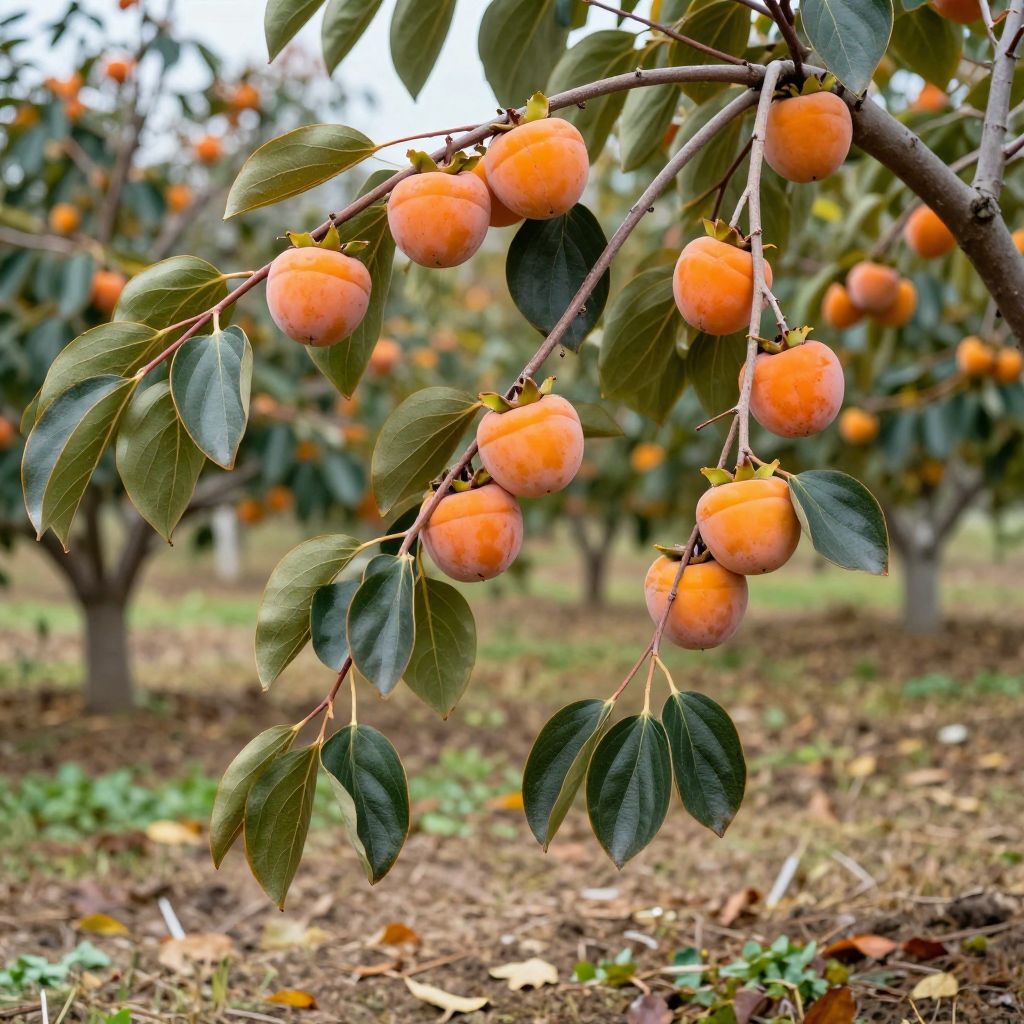
When are persimmons in season? If you grow a persimmon tree or want to harvest fruit at peak quality, the answer depends on the type of persimmon, your climate, and how ripe you want the fruit to be. In many home gardens, persimmons ripen in fall, often from early autumn into late autumn.
Knowing the season helps you harvest at the right time, avoid astringent fruit, and care for the tree properly before and after fruiting. It also makes it easier to plan pruning, watering, and pest checks around the tree’s natural cycle.
When are persimmons in season?
Persimmons are typically in season from September through December, though exact timing varies by variety and climate. Some types ripen earlier in warm regions, while others hold on the tree into winter. The fruit is best picked when fully colored and mature, then allowed to soften if needed.
Understanding persimmon season by type
Not all persimmons ripen the same way. The two main types grown in home gardens are astringent and non-astringent, and that affects when they’re ready to eat.
Astringent persimmons
Astringent persimmons are usually harvested in fall, but they are often not pleasant to eat until very soft and fully ripe. If picked too early, they can be mouth-puckeringly bitter.
- Harvest window: usually mid- to late fall
- Best eaten when soft, jelly-like, or fully tender
- Often left on the tree longer than non-astringent types
Non-astringent persimmons
Non-astringent persimmons can be eaten when they are still firm, though they should still be fully colored and mature. These are often easier for beginners because you do not have to wait for extreme softness.
- Harvest window: often early to mid-fall
- Can be eaten firm if fully mature
- Still benefit from a little postharvest softening for best flavor
How to tell when persimmons are ready to harvest
Seasonal timing gives you a rough guide, but the fruit itself tells you the final answer. Watch for color, size, and texture rather than relying only on the calendar.
Signs persimmons are mature
- Deep, even color for the variety
- Fruit size has stopped increasing
- The calyx and stem area look dry and woody
- Fruit may begin to soften slightly on the tree, especially astringent types
Simple harvest test
Gently lift and twist the fruit. If it separates easily, it is usually mature enough to pick. If you have to tug hard, leave it longer. For astringent types, patience matters more than speed.
Seasonal timing by climate
Persimmon season shifts with local weather. Warm regions usually see earlier ripening, while cooler areas push harvest later into autumn. A tree in a sheltered urban garden may ripen ahead of one in an exposed, cooler site.
What affects ripening time
- Day length and temperature in late summer and fall
- Sun exposure on the tree
- Tree age and crop load
- Variety and rootstock
- Early frost or extended warm weather
If you are unsure about timing in your area, watch the fruit closely from late summer onward. Local harvest windows can vary by several weeks from one garden to another.
Growing conditions that influence harvest season
Healthy trees tend to ripen fruit more reliably. Poor growing conditions can delay ripening, reduce fruit size, or cause fruit drop before harvest.
Sunlight
Persimmon trees fruit best in full sun. More light usually means better flowering, stronger growth, and more even ripening. In partial shade, fruit may mature later and taste less sweet.
Soil and drainage
Persimmons prefer well-drained soil. Heavy, waterlogged ground can weaken roots and make the tree less productive. If your soil stays wet after rain, improve drainage with organic matter and avoid planting in low spots.
Watering
Young trees need regular moisture while they establish, but mature trees do not like constantly soggy soil. Irregular watering can stress the tree and affect fruit development. Water deeply during dry spells, especially while fruit is sizing up.
Mulching and compost
A 5 to 8 cm layer of organic mulch helps conserve moisture and protect roots. Keep mulch a few inches away from the trunk. A light annual top-dressing of compost can support soil health without pushing excessive leafy growth.
What to do in the months before persimmon season
Good fruit starts long before harvest. A few simple maintenance tasks can improve the quality and timing of your crop.
- Check tree structure in late winter or early spring and remove dead, damaged, or crossing branches.
- Keep the root zone weed-free so the tree is not competing for water and nutrients.
- Water consistently during dry periods, especially in summer.
- Watch for pests and diseases early, before they affect fruit quality.
- Support heavy branches if your tree carries a large crop.
Pruning tips
Prune persimmon trees lightly and thoughtfully. Heavy pruning can encourage vigorous leafy growth at the expense of fruiting. Aim to open the canopy to light and air while preserving the tree’s natural shape.
Common problems that affect persimmon harvest
Sometimes fruit is technically in season but still disappointing. The most common issues are harvest timing, poor pollination, and weather stress.
Fruit is still astringent
This usually means the fruit was picked too early or is the astringent type that needs more time. Let it soften at room temperature until it feels very tender. Do not assume color alone means it is ready.
Fruit drops before ripening
Premature fruit drop can happen from drought stress, overwatering, wind, or a heavy crop. Keep moisture even and avoid disturbing the roots. If the tree is overloaded, thinning may help in future seasons.
Fruit cracks or bruises
Rapid swings between dry soil and heavy rain can split fruit. Mulch and steady watering help reduce this problem. Harvest carefully, since ripe persimmons bruise easily.
Pests and diseases
Persimmons are often fairly trouble-free, but you should still check for scale insects, leaf spots, and general stress. Good airflow, clean fallen fruit, and sensible watering reduce many issues.
How to harvest persimmons without damaging the tree
Persimmons bruise easily, and the stems can tear if you pull too hard. Use clean hand pruners or garden snips if the fruit does not detach cleanly.
- Hold the fruit gently while cutting the stem
- Leave the calyx attached if possible
- Place fruit in a shallow container, not a deep bucket
- Handle soft fruit as little as possible
If you are harvesting astringent persimmons, be prepared for a softer texture. Pick them carefully and keep them separate from firmer fruit so they do not get crushed.
Can you grow persimmons if you want fruit every year?
Yes, but consistent harvests depend on the tree’s age, local weather, and care. Young trees may take several years to bear well, and some years naturally produce more fruit than others. A healthy, well-sited tree is more likely to give you a reliable fall crop.
Best practices for steady production
- Plant in full sun
- Use well-drained soil
- Water during dry spells, especially for young trees
- Prune lightly to maintain structure
- Avoid excess nitrogen, which can reduce fruiting
Quick seasonal checklist for home gardeners
Use this simple checklist as persimmon season approaches:
- Watch fruit color closely from late summer onward
- Check whether your tree is astringent or non-astringent
- Keep soil evenly moist, not soggy
- Inspect for pests and damaged fruit
- Harvest gently when fruit is fully mature
Conclusion
Persimmons are usually in season in fall, but the best harvest time depends on variety, climate, and ripeness. If you grow them at home, watch the fruit rather than the calendar, keep the tree healthy through summer, and harvest carefully when the fruit is fully mature.
If you want to compare fruit timing in your garden, you may also find these guides useful: when is persimmon season and when are pears in season.