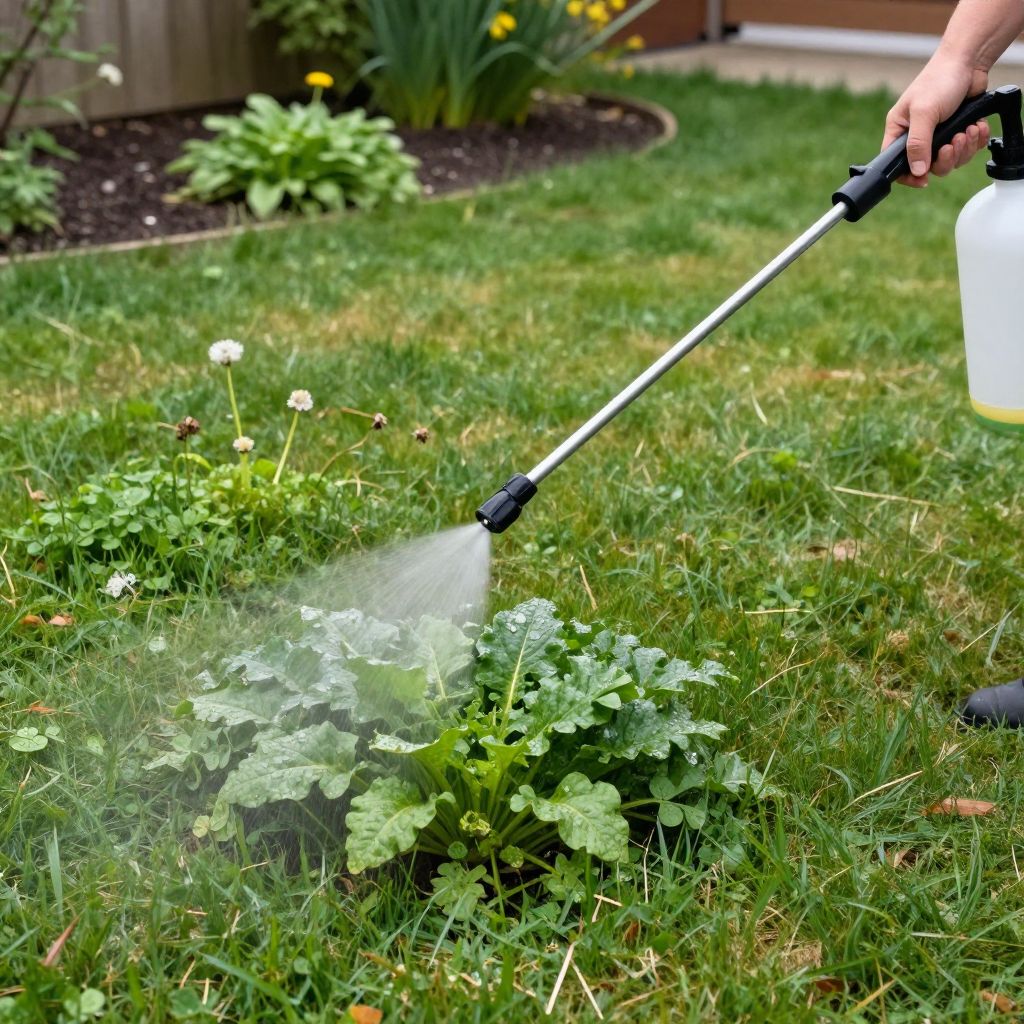
Why is Lescohid herbicide good? If you’re trying to control weeds without damaging your lawn, the answer usually comes down to how well it targets broadleaf weeds while fitting into a regular turf care routine. Used correctly, it can be a practical option for homeowners who want cleaner grass with less hand-pulling.
The key is understanding what it does best, when it works, and how to avoid the mistakes that make any herbicide seem ineffective. Good results depend on the weed type, the weather, the turfgrass, and how carefully you apply it.
Why is Lescohid herbicide good?
Lescohid herbicide is good because it is designed for selective weed control in lawns, meaning it can suppress many broadleaf weeds without treating the whole lawn like a total kill spray. That makes it useful for maintaining turf, reducing weed competition, and improving the look of established grass when applied under the right conditions.
What Lescohid is best used for
Lescohid is typically used in turf settings where you want to remove broadleaf weeds from established grass. It is not a cure-all, and it will not solve every weed problem, but it can be a solid tool when your main issue is common lawn weeds.
Common lawn weeds it may help with
- Dandelion
- Clover
- Plantain
- Chickweed
- Henbit
- Other broadleaf weeds common in lawns
If your lawn problem is mostly grassy weeds, sedges, or invasive plants with different growth habits, you may need a different product or a more targeted control plan. Always match the herbicide to the weed type.
Why it can work well in a lawn program
One reason homeowners like selective broadleaf herbicides is that they let you treat weeds without tearing up the lawn and starting over. That is especially helpful when the grass is worth saving and the weed pressure is moderate rather than extreme.
Practical advantages
- Selective action: Helps protect turfgrass when used as directed.
- Convenience: Easier than digging every weed by hand.
- Visible improvement: Can make a lawn look cleaner within a reasonable period, depending on conditions.
- Fits maintenance programs: Useful alongside mowing, fertilizing, overseeding, and proper watering.
That said, herbicides work best as part of a broader lawn care plan. If the grass is thin, compacted, shaded, or stressed, weeds often return because the underlying conditions still favor them.
Common causes of poor results
If Lescohid seems disappointing, the issue is often not the product itself but how, when, or where it was used. Most herbicide failures come from application mistakes or from treating weeds that are already too mature or stressed.
1. The weed is not actively growing
Broadleaf herbicides usually work best when weeds are actively growing. If temperatures are extreme, the lawn is drought-stressed, or the weed is hardened off late in the season, control may be weaker.
2. The lawn was mowed too soon
Mowing right before or right after treatment can reduce leaf surface and make it harder for the herbicide to be absorbed. Give weeds enough leaf area to take in the spray, and avoid mowing immediately after application unless the label says otherwise.
3. Rain or irrigation interrupted the treatment
Water too soon after application can wash product off the leaves before it has time to work. Check the label for the rainfast period, then plan around weather and irrigation accordingly.
4. The weeds are too large or old
Young, actively growing weeds are usually easier to control than mature, woody, or heavily established plants. Large weeds may need repeat treatment or a different approach.
5. The product was applied unevenly
Missed patches, overlapping passes, or poor sprayer calibration can create streaky results. Uneven coverage is one of the most common reasons a lawn looks half-treated.
How to use it more effectively
Good herbicide results start with good timing and careful application. You do not need fancy equipment, but you do need to pay attention to the label, the weather, and the condition of the lawn.
Step-by-step application basics
- Identify the weed before you spray.
- Check that your turfgrass type is listed as compatible on the product label.
- Choose a calm day with no rain expected during the label’s rainfast window.
- Make sure the lawn is not drought-stressed or recently damaged.
- Apply evenly to the target weeds, not just the lawn in general.
- Keep people and pets off the area until the label says it is safe.
- Wait and observe before deciding whether a second treatment is needed.
Application tips that improve results
- Spray when weeds are small and actively growing.
- Avoid windy conditions to reduce drift onto ornamentals or vegetable beds.
- Use clean, properly calibrated sprayer equipment.
- Do not exceed label directions in hopes of faster control.
- Do not treat heat-stressed turf unless the label allows it and conditions are appropriate.
Soil, weather, and lawn conditions matter
Even a good herbicide performs better when the lawn is healthy enough to recover quickly. Thick, vigorous turf shades out new weeds, while thin turf leaves open space for more germination.
Best lawn conditions for weed control
- Moderate temperatures, not extreme heat or cold
- Moist but not saturated soil
- Active weed growth
- Healthy turf with enough density to compete
If your soil is compacted or poorly drained, weeds often come back because grass roots struggle. In that case, aeration, overseeding, and better mowing habits may matter as much as the herbicide itself.
What not to do
Many herbicide problems come from trying to force results too quickly. A careful, label-based approach is safer and more effective than guessing.
- Do not spray on a windy day.
- Do not apply to heat-stressed or drought-stressed turf unless the label allows it.
- Do not treat if rain is expected before the product has time to work.
- Do not use it on plants or beds that are not listed on the label.
- Do not assume one application will solve a long-term weed problem.
How to tell whether it is working
Herbicide response is not always immediate. Some weeds show twisting, yellowing, or slowed growth first, then decline over time. Others may take longer, especially if growth is slow or the weed is mature.
Signs of a good response
- Leaves begin to curl, yellow, or distort
- Weeds stop spreading
- New growth becomes weaker
- The weed gradually dies back rather than rebounding
If nothing changes after a reasonable period, check the label, the weather at application, the weed species, and whether the lawn was under stress. Sometimes a follow-up treatment is allowed; sometimes a different product is needed.
How to prevent weeds from returning
Weed control works best when you reduce the conditions that let weeds invade in the first place. A healthy lawn is the best long-term weed prevention tool you have.
Maintenance practices that help
- Mow at the recommended height for your grass type.
- Water deeply when needed rather than shallowly every day.
- Overseed thin areas so weeds have less room to establish.
- Improve drainage in low spots if water collects.
- Feed the lawn according to soil test results, not guesswork.
- Pull isolated weeds before they set seed.
For many lawns, the real answer to “Why is Lescohid herbicide good?” is that it helps you buy time and reduce weed pressure while you improve the turf itself. Herbicide alone is temporary; healthier grass is the lasting solution.
When to consider a different approach
Sometimes a selective broadleaf herbicide is the wrong tool. If the lawn is heavily infested, badly thinned, or full of grassy weeds, you may need a more complete renovation plan.
Consider another strategy if:
- The lawn is mostly weeds, not grass.
- You are dealing with sedges or grassy weeds instead of broadleaf weeds.
- The turf is so thin that bare soil is exposed everywhere.
- Drainage, shade, or compaction is the main problem.
In those cases, improving soil structure, reseeding, or replacing damaged areas may be more effective than repeated spraying.
Conclusion
Lescohid herbicide can be a good lawn-care tool because it helps control many broadleaf weeds without destroying established turf. For the best results, apply it to actively growing weeds, follow the label closely, and support your lawn with mowing, watering, and overseeding where needed.
If you want to compare weed-control options, you may also find it helpful to read about whether 2,4-D kills grass and what kills dandelions but not grass.