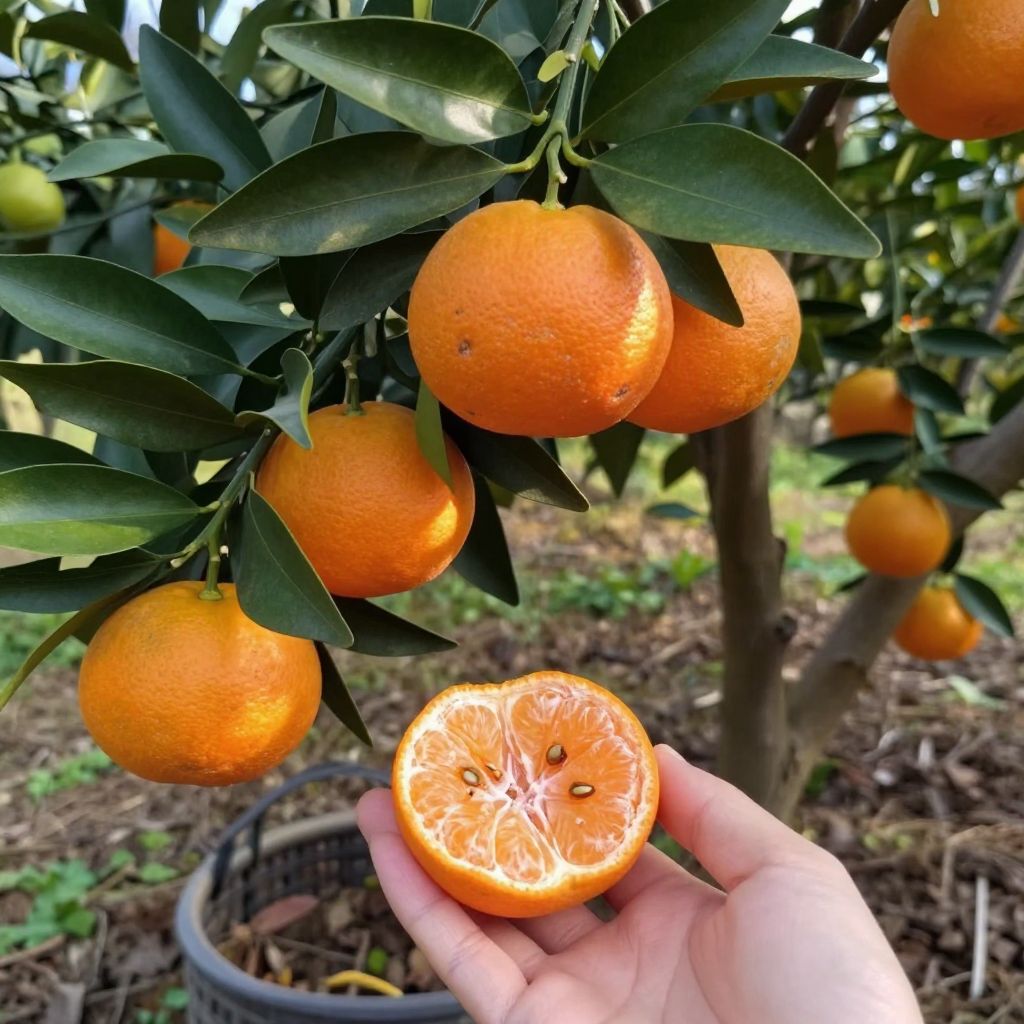
Do mandarins have seeds? Sometimes they do, but many mandarins are bred to be seedless or nearly seedless. Whether you find seeds in a mandarin depends on the variety, pollination, and growing conditions, especially if bees or other citrus nearby have cross-pollinated the flowers.
If you want to grow mandarins at home, seediness matters because it affects eating quality, propagation, and sometimes fruit set. Knowing why seeds appear helps you choose the right tree, manage pollination, and set realistic expectations for harvest.
Do mandarins have seeds?
Yes, mandarins can have seeds, but many popular types are seedless or contain only a few seeds. Seedless fruit usually comes from self-fertile or low-seed varieties, while seeded fruit often results from cross-pollination with other citrus nearby. Even on the same tree, seed count can vary from year to year.
Why some mandarins are seedless and others are not
Mandarins belong to the citrus group and include many cultivars with different fruit traits. Some are naturally low-seed, while others produce more seeds if pollen from another compatible citrus reaches the flowers.
Pollination is the biggest factor
Many mandarins can set fruit without pollen from another tree, but cross-pollination often increases seed formation. If you grow mandarins near oranges, lemons, grapefruits, or other citrus, bees may move pollen between them.
That means a tree advertised as seedless may still produce a few seeds in a mixed citrus garden. This is normal and does not always mean the tree is “wrong” or unhealthy.
Variety matters
Some mandarin types are known for being easier to eat because they usually have few seeds. Others are commonly seeded, especially when grown near other citrus. When buying a tree, ask the nursery whether the cultivar is typically seedless, low-seed, or seeded in your area.
Growing conditions can influence seed count
Weather, insect activity, and nearby citrus plantings all affect pollination. A windy, bee-active garden with several citrus trees nearby is more likely to produce seeded mandarins than a single tree grown in isolation.
What seeds in mandarins mean for the home gardener
Seeds do not automatically mean poor fruit. In most cases, the fruit is still perfectly edible, but seeded mandarins are less convenient for fresh eating and lunchbox use. If you want consistently seedless fruit, variety selection and orchard layout matter more than fertilizer or pruning.
- Seedless fruit is usually easier to eat fresh.
- Seeded fruit may still taste excellent and often stores well.
- More seeds often point to cross-pollination, not disease.
- Fruit quality depends more on ripeness, sunlight, and tree health than seed count alone.
How to grow mandarins for better fruit quality
Healthy trees are more likely to produce flavorful fruit with good color and balanced sweetness. While you cannot control every seed, you can improve overall fruit quality with the right site, soil, and care.
Choose a sunny, sheltered site
Mandarin trees need full sun for best flowering and fruiting. Aim for at least 6 to 8 hours of direct light daily, with protection from strong winds and hard frost where relevant to your climate.
In cooler regions, a south- or west-facing wall can help create a warmer microclimate. In very hot climates, some afternoon shade may reduce stress on young trees.
Use well-drained soil
Citrus roots dislike standing water. Plant mandarins in soil that drains well, or grow them in a raised bed or large container if your native soil stays wet or heavy.
A good planting mix should be loose, fertile, and rich in organic matter, but not soggy. Compost helps improve structure, but avoid overloading the planting hole with pure compost, which can hold too much moisture around the roots.
Water consistently, not excessively
Young mandarin trees need regular moisture while they establish, but the soil should dry slightly between waterings. Mature trees prefer deep, thorough watering followed by a short dry-down period rather than frequent shallow watering.
Check the top few inches of soil before watering. If it feels dry and crumbly, water deeply; if it still feels cool and moist, wait. In containers, check more often because pots dry faster than in-ground plantings.
Feed lightly and steadily
Mandarins benefit from balanced citrus nutrition, especially during active growth. Use a fertilizer made for citrus if your soil is naturally poor, but avoid overfeeding nitrogen, which can produce leafy growth at the expense of flowering and fruit quality.
If you are unsure, start with a soil test. That gives you a better guide than guessing, especially in gardens with unknown pH or nutrient levels.
Should you prune a mandarin tree?
Yes, but only lightly. Mandarins generally need less pruning than many fruit trees. The goal is to keep the canopy open, remove dead or crossing branches, and maintain a manageable size for harvesting.
Simple pruning goals
- Remove dead, damaged, or diseased wood.
- Thin crowded branches to improve air circulation.
- Keep low branches off the ground.
- Shape the tree so sunlight reaches the inner canopy.
Avoid heavy pruning right before flowering or fruiting, because that can reduce the crop. If the tree is overgrown, spread major pruning over more than one season.
Can you grow a mandarin from seed?
You can grow a mandarin from seed, but the result may not be true to the parent fruit. Seed-grown citrus often takes years to fruit, and the new tree may produce fruit that differs in flavor, seediness, or quality from the original.
For home gardeners, grafted trees are usually the better choice. A grafted mandarin gives you a known cultivar, earlier fruiting, and more predictable growth.
Best propagation choice for home gardens
If you want reliable fruit, buy a healthy grafted tree from a reputable nursery. Look for a straight trunk, healthy leaves, and no signs of pests or root problems.
Common problems that affect mandarin fruit
When mandarins are disappointing, the issue is often not seeds alone. Poor fruit quality can come from stress, pests, or uneven watering.
Too many seeds
If your usually low-seed mandarins suddenly have more seeds, check for nearby citrus trees in bloom. Bees may be carrying pollen from one tree to another, especially in mixed orchards or neighborhood gardens.
If seedlessness is important to you, plant a known low-seed cultivar and avoid placing it close to other flowering citrus.
Small or dry fruit
Fruit that stays small or dries out may be linked to irregular watering, poor root health, or too much crop load on a young tree. Consistent moisture during flowering and fruit swell is especially important.
Pests and diseases
Watch for common citrus issues such as scale insects, aphids, leaf miners, and sooty mold. These pests can weaken the tree and reduce fruit quality, though they do not directly cause seeds.
Good airflow, clean pruning cuts, and regular inspection help you catch problems early. If leaves are sticky, curled, or heavily speckled, inspect the undersides and stems before the issue spreads.
How to harvest mandarins at the right time
Mandarins do not continue ripening much after harvest, so pick them when they taste sweet and have developed full color for the variety. Color alone is not always enough, especially in warm climates where fruit can look ready before it fully matures.
- Check the fruit for good size and color.
- Taste one fruit before harvesting heavily.
- Twist or clip fruit gently to avoid tearing the stem.
- Handle fruit carefully to prevent skin damage.
If your tree has both seeded and seedless fruit, harvest from the same branch can still vary. That is one reason tasting is more reliable than judging by appearance alone.
How to reduce seediness if you want fewer seeds
You cannot always eliminate seeds completely, but you can often reduce them. The most effective strategy is choosing the right tree and limiting cross-pollination where practical.
- Choose a known low-seed or seedless mandarin cultivar.
- Plant it away from other flowering citrus if possible.
- Encourage healthy, even growth so flowers and fruit develop well.
- Do not assume extra fertilizer will make fruit seedless; it will not.
If you already have a mixed citrus planting, some seediness is simply part of the system. In that case, focus on flavor, juice content, and tree health rather than trying to force a seedless crop.
Indoor versus outdoor mandarin growing
Container-grown mandarins can be easier to manage for temperature and soil, but they may still produce seeded fruit if pollinated. Indoors or on a patio, you can sometimes reduce cross-pollination by keeping the tree away from other flowering citrus.
Indoor trees need bright light, excellent drainage, and careful watering. Outdoors, they usually flower more naturally, but they are also more exposed to insects, weather swings, and nearby pollen sources.
Practical mistakes to avoid
- Planting in heavy, waterlogged soil without drainage improvement.
- Overwatering a tree that is still establishing.
- Expecting every mandarin to be seedless regardless of nearby citrus.
- Overpruning and removing too much fruiting wood.
- Buying a tree without checking whether the cultivar is low-seed.
Conclusion: what to do next
So, do mandarins have seeds? They can, but the number depends mostly on the variety and pollination. If you want fewer seeds, choose a known low-seed cultivar, grow it in full sun with well-drained soil, and limit nearby cross-pollinating citrus where possible.
For more citrus growing guidance, you may also find it helpful to read about how to care for citrus trees in pots and common citrus pests and how to manage them.