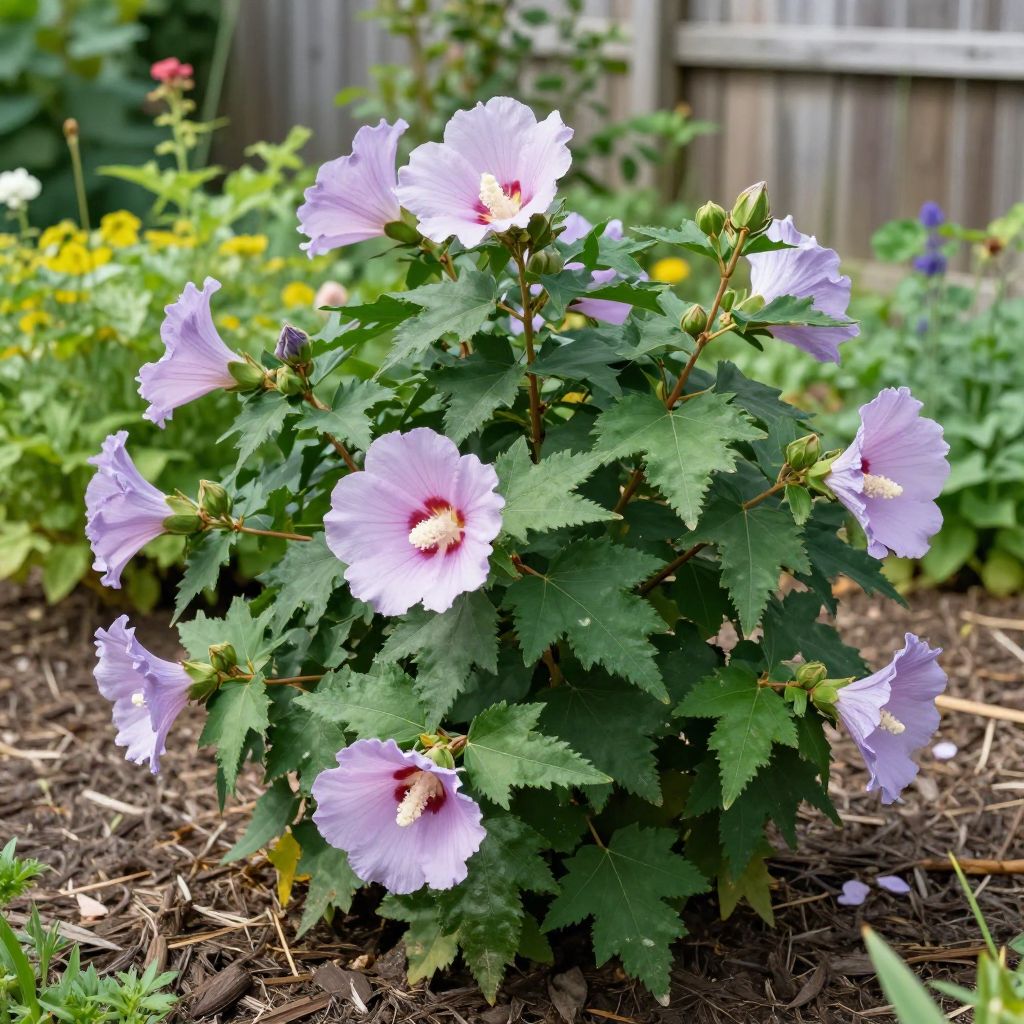
When do rose of Sharon bloom? If you’re waiting for those big, tropical-looking flowers to open, the usual answer is midsummer into early fall. The exact timing depends on your climate, sunlight, and the plant’s age, but this shrub is valued because it flowers when many other shrubs are finished.
Rose of Sharon, Hibiscus syriacus, is a reliable late-season bloomer for sunny borders, hedges, and foundation plantings. With the right growing conditions, it can produce flowers for weeks, making it one of the most useful shrubs for extending color in the garden.
When do rose of Sharon bloom?
Rose of Sharon typically blooms from mid- to late summer through early fall, often starting in July or August and continuing into September or even October in warm climates. Bloom time shifts with local weather, sun exposure, pruning, and plant maturity, so cooler regions may see a later start and a shorter season.
What affects bloom time?
Several growing conditions influence when rose of Sharon flowers and how long it keeps blooming. A shrub in full sun with well-drained soil usually flowers earlier and more heavily than one growing in shade or overly wet ground.
Sunlight
Rose of Sharon blooms best in full sun, which means at least 6 hours of direct light daily. In partial shade, it may still grow well, but flowering is often thinner and begins later.
Climate and local weather
Cool springs can delay bud formation, while hot summers often trigger stronger flowering. In colder areas, the shrub may leaf out slowly in spring and bloom later than the same plant would in a warmer zone.
Plant age and establishment
Young plants may spend their first season or two building roots before blooming heavily. Once established, rose of Sharon usually becomes a much more dependable late-summer bloomer.
Pruning timing
Rose of Sharon flowers on new wood, so pruning at the wrong time can remove developing flower buds. Heavy pruning in late spring or early summer may reduce or delay blooms for that year.
How to encourage more blooms
If your rose of Sharon is healthy but not flowering well, the problem is often growing conditions rather than a lack of care. Focus on light, drainage, and pruning timing before adding extra fertilizer.
- Give it full sun. If possible, move or plant it where it gets at least 6 hours of direct sun.
- Improve drainage. Waterlogged soil can weaken roots and reduce flowering.
- Mulch lightly. A 2- to 3-inch layer of organic mulch helps conserve moisture and moderate soil temperature.
- Prune at the right time. Prune in late winter or very early spring before new growth starts.
- Avoid excess nitrogen. Too much high-nitrogen fertilizer can produce leafy growth at the expense of flowers.
Best growing conditions for rose of Sharon
Rose of Sharon is adaptable, but it performs best when you match its needs as closely as possible. Good site selection usually matters more than feeding or frequent watering.
Soil
This shrub tolerates a range of soils, but it prefers moderately fertile, well-drained ground. If your soil is heavy clay, work in compost to improve structure and drainage before planting.
Watering
Newly planted shrubs need regular watering until established, especially during hot weather. After that, rose of Sharon is fairly drought-tolerant, though prolonged dry spells can reduce bloom quality and cause buds to drop.
Spacing
Allow enough room for the shrub to reach its mature spread without crowding. Good air circulation helps reduce disease problems and makes the plant easier to maintain.
How to plant rose of Sharon for better flowering
Planting correctly helps the shrub settle in faster and bloom more reliably in later seasons. The goal is to reduce transplant stress and encourage strong root growth.
- Choose a sunny site with room for mature growth.
- Dig a hole as deep as the root ball and about 2 times as wide.
- Loosen compacted soil around the planting area.
- Set the plant so the top of the root ball is level with the surrounding soil.
- Backfill with native soil, then water thoroughly.
- Apply mulch around the base, keeping it a few inches away from the stems.
Do not bury the crown too deeply. Planting too low can stress the shrub and slow establishment.
Pruning and bloom timing
Pruning is one of the most common reasons gardeners think their rose of Sharon is not blooming on schedule. Because flowers form on new growth, pruning can be helpful if done at the right time and harmful if done too late.
When to prune
The safest time to prune is late winter to very early spring, before buds swell and new growth begins. At that point, you can remove dead wood, thin crowded stems, and shape the shrub without sacrificing that season’s flowers.
What to remove
- Dead, damaged, or diseased branches
- Weak or crossing stems
- Overly crowded interior growth
- Suckers, if you want to limit spread
What to avoid
Avoid hard pruning after growth is underway in spring. Cutting back too late can delay flowering and reduce the number of buds that develop during the season.
Common reasons rose of Sharon fails to bloom well
If your shrub is growing but not flowering as expected, use this quick troubleshooting list to narrow down the cause.
- Too much shade: The plant may survive, but bloom production drops.
- Late pruning: New flower buds may have been removed.
- Too much nitrogen: Lush leaves, fewer flowers.
- Drought stress: Buds may form but fail to open or drop early.
- Root competition: Nearby trees or shrubs may limit water and nutrients.
- Young plant: Some shrubs simply need more time to mature.
Pests and diseases that can affect blooming
Rose of Sharon is generally sturdy, but stress from pests or disease can reduce flowering. Watch for problems early so the shrub can keep putting energy into buds and blooms.
Common pests
Aphids, Japanese beetles, and spider mites may feed on leaves or buds. Light infestations often do not stop blooming, but severe damage can weaken the plant.
Common diseases
Leaf spot and canker can appear in humid or poorly ventilated conditions. Keeping the plant healthy, avoiding overhead watering when possible, and pruning for airflow can help reduce issues.
If pests are present, start with the least disruptive solution: hand-picking larger insects, spraying a strong stream of water on aphids, or removing badly affected growth. Healthy shrubs usually recover quickly once stress is reduced.
Can you make rose of Sharon bloom longer?
You cannot force a shrub to flower nonstop, but you can extend the display by keeping it healthy and unstressed. Consistent moisture during dry periods, full sun, and timely deadheading of spent flowers can help the plant keep producing buds.
Deadheading is optional, but it can improve appearance and reduce self-seeding in some cultivars. If you want less cleanup, let the flowers fade naturally and focus on overall plant health instead.
Growing rose of Sharon in containers
Container-grown rose of Sharon can bloom well if the pot is large enough and receives full sun. However, potted plants dry out faster than in-ground shrubs, so bloom timing may be more sensitive to heat and watering consistency.
- Use a large container with drainage holes.
- Choose a well-draining potting mix, not garden soil.
- Water when the top inch or two of mix feels dry.
- Feed lightly only if growth is weak and the plant is not blooming well.
In containers, root crowding can eventually reduce flowering, so repot or refresh the mix as needed.
What to expect through the seasons
Rose of Sharon follows a fairly predictable seasonal pattern, though the exact calendar varies by climate. Knowing the sequence helps you tell normal growth from a problem.
- Spring: New leaves and shoots emerge, often slowly in cooler climates.
- Early summer: Strong vegetative growth builds the framework for buds.
- Midsummer to early fall: Main bloom period begins.
- Late fall: Flowering tapers off as temperatures cool.
- Winter: The shrub goes dormant in colder regions.
Simple maintenance for reliable blooms
For the best flowering, keep maintenance steady but not excessive. Rose of Sharon usually does better with moderate care than with constant intervention.
- Water deeply during dry spells, especially in the first year after planting.
- Mulch to reduce moisture stress and suppress weeds.
- Prune in late winter or very early spring only.
- Use compost sparingly if soil is poor, but avoid overfeeding.
- Check for pests and leaf problems during the growing season.
Conclusion
Rose of Sharon usually blooms from midsummer into early fall, with exact timing shaped by sun, climate, and pruning. If yours is not flowering on schedule, start by checking light, drainage, and when it was last pruned. Then give it a full season in a sunny spot and watch for stronger bloom the next year.
For more practical shrub care, you may also want to read about how to prune flowering shrubs and the best shrubs for full sun.