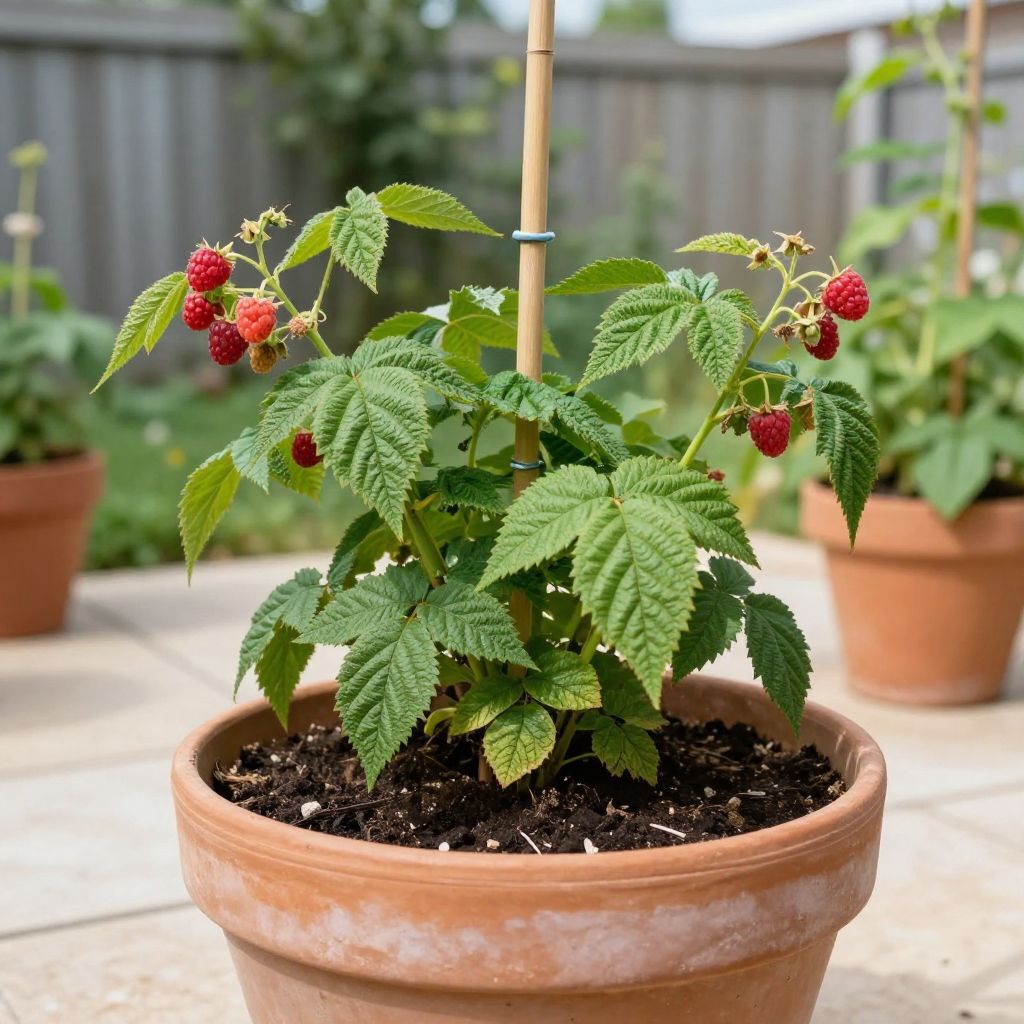
Can you grow raspberries in a pot? Yes—you can, and container growing can work very well if you choose the right variety, give the plant enough root space, and stay on top of watering and pruning. Potted raspberries are especially useful for patios, small gardens, and renters who want fruit without planting in the ground.
The key is to treat raspberries as vigorous, long-lived canes that need a large container, excellent drainage, and regular care. If you match the pot, soil, sunlight, and pruning to the plant’s growth habit, you can harvest healthy berries from a compact space.
Can you grow raspberries in a pot?
Yes. Raspberries grow successfully in containers as long as the pot is large, the soil drains well, and the plant gets full sun and consistent moisture. Dwarf or compact varieties are often easiest, but many standard raspberries can also be grown in pots if you provide enough root room and support.
What kind of raspberry is best for container growing?
Not all raspberries behave the same in pots. The easiest choices are compact, upright, or patio-friendly varieties, especially those bred for smaller spaces or for fruiting on current-season canes.
Summer-bearing vs. everbearing
- Summer-bearing raspberries fruit on canes that grew the previous year.
- Everbearing or fall-bearing raspberries often fruit on first-year canes, which can simplify pruning.
If you are new to container raspberries, everbearing types are often easier to manage because pruning is usually more straightforward. That said, both types can work in pots if you understand their growth cycle.
Why compact varieties help
Smaller or more upright plants are less likely to flop over, crowd the pot, or become difficult to prune. They also tend to be easier to protect from wind and to move if needed.
Choosing the right pot and location
Raspberries need more root space than many people expect. A shallow decorative pot is usually not enough, even if the plant looks small at first.
Pot size and drainage
- Choose a container at least 18–24 inches wide and deep for one plant.
- Use a pot with several drainage holes.
- For multiple canes or a larger variety, go bigger rather than squeezing the plant in.
Fabric pots, large plastic containers, half-barrels, and roomy ceramic pots can all work if they drain well. Avoid containers that trap water, because raspberry roots dislike soggy conditions.
Sunlight needs
Raspberries grow best in full sun, ideally at least 6 to 8 hours of direct light daily. In hotter climates, a little afternoon shade can reduce stress, but too much shade usually means fewer berries and weaker canes.
Wind and support
Because canes can grow tall and bend under fruit weight, place the pot where it is sheltered from strong wind. A simple stake, small trellis, or ring support can keep the plant upright and improve airflow.
Best soil mix for raspberries in pots
Use a loose, fertile mix that holds moisture without becoming waterlogged. Standard garden soil is usually too heavy for containers and may compact around the roots.
A good container mix should
- Drain freely
- Hold some moisture
- Contain organic matter
- Stay airy around the roots
A quality potting mix blended with compost is usually a strong starting point. If your mix feels dense, add a material that improves drainage and structure, such as perlite or coarse bark, depending on what is available locally.
Compost and feeding
Mixing in compost helps supply nutrients and improves moisture retention. Raspberries are fairly hungry plants, so container-grown specimens often need replenishment over time because nutrients leach out with watering.
How to plant raspberries in a pot
Planting is simple, but getting the depth and spacing right matters. A crowded crown or buried canes can lead to poor growth and rot.
- Fill the pot partway with moist potting mix.
- Set the raspberry plant so the crown sits at the same level it was growing before.
- Backfill gently and firm the mix lightly.
- Water thoroughly until excess drains from the bottom.
- Add a support stake or small trellis if needed.
If you are planting bare-root raspberries, spread the roots out carefully and keep them from drying while you work. If you are planting a nursery plant in a container, loosen circling roots gently before setting it in the new pot.
Watering raspberries in containers
Container raspberries dry out faster than in-ground plants, especially in warm, windy, or sunny weather. Inconsistent watering is one of the most common reasons potted raspberries struggle.
How to water well
- Water deeply so the entire root zone is moistened.
- Check the top inch or two of soil before watering again.
- Do not let the pot sit in standing water.
The goal is evenly moist soil, not constant saturation. During hot spells, potted raspberries may need frequent attention, while cool or cloudy weather may slow drying considerably. Always adjust to your climate, pot size, and plant size.
Signs of watering problems
- Too little water: wilting, dry leaf edges, small fruit, weak growth
- Too much water: yellowing leaves, soft growth, poor drainage, root stress
Feeding and mulching container raspberries
Because nutrients wash out of pots, raspberries usually benefit from regular feeding during the growing season. The exact approach depends on your potting mix and how fast the plant is growing.
Practical feeding tips
- Start with compost-rich potting mix.
- Refresh the top layer of mix or compost each season if needed.
- Use a balanced fertilizer only as directed on the product label, and avoid overfeeding.
Too much fertilizer can produce leafy growth with fewer berries. A steady, moderate approach is better than pushing the plant hard.
Mulch in pots
A thin mulch layer can help reduce moisture loss. Keep mulch a little away from the cane base so the crown stays dry and airflow remains good.
Pruning raspberries in pots
Pruning is essential for container raspberries. It keeps the plant manageable, encourages productive canes, and prevents the pot from becoming overcrowded.
For everbearing raspberries
Many gardeners cut all canes to the ground in late winter or very early spring if they want a simpler pruning routine and one main crop later in the season. This is often the easiest method for container plants, though local climate and variety can affect timing.
For summer-bearing raspberries
- Remove canes that fruited after harvest.
- Keep the strongest new canes for next year’s crop.
- Thin out weak, damaged, or crowded growth.
Always remove dead, broken, or diseased canes promptly. Good pruning improves air circulation, which helps reduce disease problems in pots.
Common problems with potted raspberries
Container raspberries can be productive, but they are more exposed to stress than plants in the ground. Catching problems early makes a big difference.
1. Root crowding
Raspberries eventually outgrow a pot. If growth slows, canes become crowded, or water runs straight through the container, the plant may need a larger pot or root division if appropriate for the variety and situation.
2. Drying out too fast
Small pots, dark pots in full sun, and windy spots can dry out quickly. Use a larger container, mulch lightly, and check moisture often during warm weather.
3. Poor fruiting
Low light, too much shade, overfertilizing, or incorrect pruning can all reduce harvests. Make sure the plant gets enough sun and that you are pruning according to its fruiting type.
4. Cane dieback or weak growth
This can happen from winter damage, water stress, or disease. Remove damaged canes and improve growing conditions rather than leaving weak growth in place.
Pests and diseases to watch for
Raspberries in pots can still attract the same pests and diseases as garden plants. Good sanitation and airflow help a lot.
Common issues
- Aphids on tender new growth
- Spider mites in hot, dry conditions
- Fungal leaf spots in damp, crowded plants
- Fruit rot if berries stay wet or are left too long on the plant
Inspect leaves, stems, and fruit regularly. Remove fallen leaves and overripe berries, and avoid wetting the foliage when you water if possible.
Prevention tips
- Use clean pots and fresh potting mix
- Space canes so air can move through the plant
- Keep the container off the ground if drainage is poor
- Harvest promptly when berries ripen
Harvesting raspberries from a pot
Raspberries are ready when they detach easily and have full color and flavor. Pick gently, because ripe berries bruise quickly.
Harvest often during the fruiting period. Frequent picking encourages you to catch berries at peak ripeness and reduces the chance of rot or pest damage.
Can you keep raspberries in pots long term?
Yes, but they usually need periodic refreshing. Over time, the potting mix breaks down, roots fill the container, and the plant becomes less vigorous.
Long-term maintenance
- Repot into a larger container when needed
- Refresh part of the potting mix periodically
- Thin canes to prevent overcrowding
- Replace tired plants if productivity drops too much
If your climate has harsh winters, container plants may need extra protection because roots in pots are more exposed to cold than roots in the ground. Move the pot to a sheltered spot if necessary, and follow local advice for overwintering container perennials.
Simple checklist for success
- Choose a large pot with drainage holes
- Use a light, compost-rich potting mix
- Place the plant in full sun
- Water consistently, but do not overwater
- Prune according to the raspberry type
- Watch for pests, disease, and overcrowding
Conclusion
So, can you grow raspberries in a pot? Absolutely—and with the right container, sunlight, and pruning, you can enjoy a productive berry plant even in a small space. Start with a roomy pot, keep the soil evenly moist, and choose a variety that fits your climate and maintenance style. If you are planning your container berry patch, it also helps to read more about growing fruit in containers and pruning berry canes correctly.