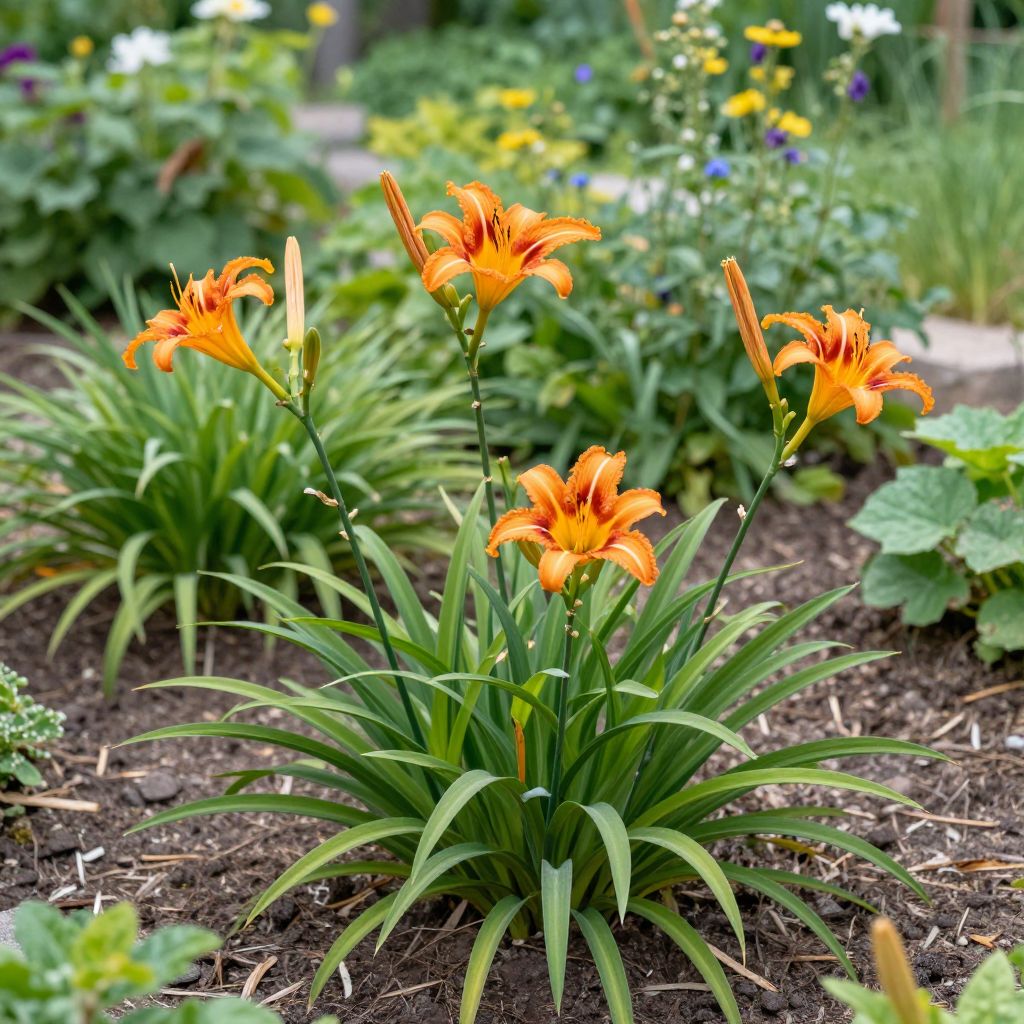
Do daylilies bloom all summer? In many gardens, they can seem to, but the answer depends on the type you grow and how your climate behaves. Most daylilies produce individual flowers that last only a day, yet a healthy clump can keep sending up new buds for weeks.
With the right mix of sun, moisture, and good soil, you can stretch the bloom season and enjoy a long display. The key is choosing the right cultivars, caring for them well, and understanding that “all summer” usually means a long succession of flowers rather than one nonstop bloom on every stem.
Do daylilies bloom all summer?
Not usually nonstop, but many daylilies can bloom for much of summer. A single flower opens for just one day, while each clump may produce many buds over several weeks. Reblooming cultivars can flower again later in the season, especially in warm climates with good care.
How daylily bloom cycles work
Daylilies are perennial plants in the genus Hemerocallis. Their flowers are famously short-lived, but each scape can carry multiple buds, and mature clumps often have several scapes blooming at different times.
Why one flower lasts only a day
Each bloom opens in the morning and fades by evening or the next day. That does not mean the plant is finished flowering. It simply means the plant is designed to keep producing fresh blooms in sequence.
What “reblooming” means
Some cultivars are bred to bloom again after their first flush. These are often called rebloomers or repeat bloomers. They may flower in early summer and then again later, but performance varies with weather, plant age, and growing conditions.
What affects how long daylilies bloom?
Several factors determine whether your daylilies flower for a few weeks or much longer. The biggest influences are cultivar choice, sunlight, moisture, soil fertility, and how established the clump is.
- Cultivar choice: Some varieties bloom once, while others rebloom.
- Sunlight: Most daylilies flower best in full sun, though light afternoon shade can help in hot climates.
- Water: Consistent moisture supports bud production, especially during dry spells.
- Soil quality: Rich, well-drained soil helps plants grow stronger and bloom more reliably.
- Plant maturity: Newly planted daylilies may need a season or two to reach peak flowering.
- Weather: Extreme heat, drought, or prolonged rain can shorten bloom time.
How to encourage daylilies to bloom longer
You cannot make a single flower last more than a day, but you can help the plant keep producing buds. The goal is to keep the clump vigorous through the growing season.
1. Give them enough sun
Daylilies generally bloom best with at least 6 hours of direct sun. In very hot regions, morning sun with some afternoon shade can protect blooms from fading too quickly.
2. Water deeply during dry weather
Even though established daylilies tolerate some drought, they bloom better with steady moisture. Water the root zone deeply when the top few inches of soil dry out, especially during bud formation and flowering.
Avoid frequent shallow watering. It encourages weak roots and can reduce the plant’s ability to carry buds through a long bloom period.
3. Feed lightly but consistently
Daylilies do not need heavy fertilizing. Too much nitrogen can produce lush leaves with fewer flowers. If your soil is poor, work in compost in spring or top-dress around the plant with a thin layer of organic matter.
If you choose a balanced fertilizer, follow the product label and avoid overfeeding. In many gardens, compost and healthy soil are enough.
4. Remove spent flowers
Deadheading helps the plant look tidy and may keep energy focused on new buds. Remove faded blooms and, if you want a cleaner appearance, pinch off the spent flower just below the wilted blossom.
Once a scape has finished all its buds, you can cut it back near the base if desired.
5. Divide overcrowded clumps
Over time, daylilies can become crowded and bloom less. If flowering has declined, divide the clump every few years when growth slows or the center looks sparse.
- Lift the clump carefully with a garden fork or spade.
- Separate healthy fans of leaves and roots.
- Replant divisions in well-prepared soil at the same depth they were growing before.
- Water well after planting and keep the soil evenly moist while they re-establish.
Best growing conditions for long bloom
Daylilies are adaptable, but they perform best when their basic needs are met. Good site selection does a lot of the work for you.
Soil
They prefer fertile, well-drained soil with plenty of organic matter. Heavy clay can work if it drains reasonably well and has been improved with compost. Sandy soil may need more organic matter to hold moisture.
Drainage
Standing water can weaken roots and reduce flowering. If your garden stays soggy after rain, plant on a raised bed or choose a better-drained spot.
Mulch
A 2- to 3-inch layer of mulch helps conserve moisture and moderate soil temperature. Keep mulch a little away from the crown so the base of the plant does not stay too wet.
Do all daylilies bloom at the same time?
No. Different cultivars bloom at different times, from early summer to late summer, and some bloom in waves. If you want flowers for a longer season, plant a mix of early, midseason, and late-blooming daylilies.
This is one of the easiest ways to extend color in a perennial border. Instead of relying on one variety, you create a sequence of bloom periods that overlap.
How to plan for a longer display
- Choose early, midseason, and late cultivars.
- Include at least one reblooming variety if your climate supports it.
- Plant in groups for a stronger visual effect.
- Deadhead regularly during the season.
Common problems that shorten bloom time
If your daylilies are not blooming as long as expected, the issue is often cultural rather than serious. A few adjustments can make a noticeable difference.
Too much shade
Plants in heavy shade may produce leaves but fewer flowers. Move them to a sunnier location if possible.
Too much nitrogen
High-nitrogen lawn fertilizer drifting into the bed can cause leafy growth and fewer blooms. Keep lawn feeding away from perennial borders.
Overcrowding
Dense clumps compete for light, water, and nutrients. Dividing restores vigor and often improves flowering.
Heat stress
Very hot weather can shorten individual blooms and reduce the total display. In hot climates, a little afternoon shade and consistent watering help.
Pests and disease
Daylilies are usually low-maintenance, but aphids, thrips, and spider mites can sometimes affect buds or foliage. Inspect plants regularly, especially during dry weather or when buds seem damaged.
- Aphids: Cluster on tender growth and buds; rinse off with water or use insecticidal soap if needed.
- Thrips: Can scar flowers and make blooms look distorted.
- Spider mites: Often appear in hot, dry conditions and may cause stippling on leaves.
- Leaf streak or rot: Remove affected foliage and improve airflow; avoid wetting leaves late in the day.
Practical care tips by season
Seasonal care matters because daylilies respond to the rhythm of growth, bloom, and rest. A little timely maintenance keeps the clump strong for the next flush of flowers.
Spring
Remove old foliage if needed, refresh mulch, and clean up debris around the crown. This is also a good time to divide crowded plants in many climates.
Early to mid-summer
Watch moisture closely as buds form. Deadhead spent flowers and check for pests on buds and stems.
Late summer
Some cultivars may rebloom if conditions stay favorable. Keep watering during dry spells and remove tired flower stalks.
Fall
Let the foliage remain until it yellows naturally unless disease is present. Healthy leaves help feed the roots for next year’s bloom.
Should you cut daylilies back after blooming?
You can remove finished flower stalks once all buds are spent, but do not cut back healthy green leaves just because flowering is over. The foliage is still feeding the plant and building energy for future blooms.
If the plant looks untidy, trim only the dead or damaged parts. Save hard cutting back for late season cleanup or disease management when necessary.
When to expect the best bloom performance
Newly planted daylilies often spend their first season establishing roots. They may bloom lightly, then improve in later years as the clump matures. Older, overcrowded plants may do the opposite and bloom less until divided.
If your goal is the longest possible bloom season, combine good culture with smart plant selection. That gives you the best chance of enjoying flowers from early summer into late summer, and sometimes again later if you choose reblooming types.
Conclusion
So, do daylilies bloom all summer? Some can flower for most of the season, but the longest displays come from the right varieties and good care. Plant them in sun, keep the soil evenly moist, divide crowded clumps, and choose cultivars with staggered bloom times.
If you want to plan a longer perennial display, consider reading more about daylily care and maintenance and how to stagger perennial bloom times for a season-long flower bed.