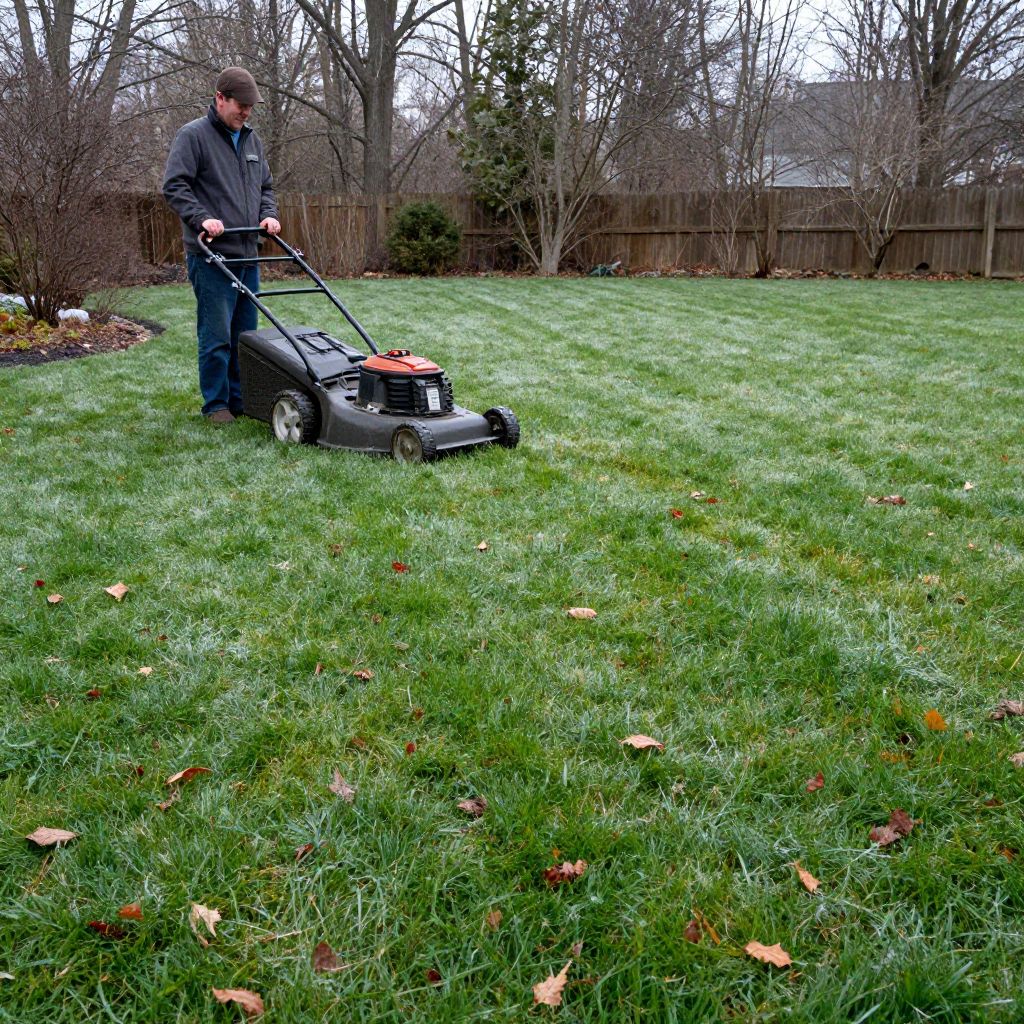
Wondering when to stop mowing lawn before winter or during a slow-growing season? The right time depends on your grass type, local weather, and how fast the lawn is still growing.
Stop mowing when growth has clearly slowed, but leave the grass at a healthy height for winter or dormancy. A final cut that is too short can stress turf, while letting it get too tall can invite matting, disease, and snow mold.
When To Stop Mowing Lawn?
Stop mowing when your lawn is no longer growing enough to need regular cutting, usually after several cool nights, shorter days, and slower top growth. In most climates, the last mow comes in late fall, but the exact timing depends on grass type, weather, and how quickly your lawn is still growing.
How to tell it is time to stop mowing
The calendar is less reliable than the lawn itself. Watch for these signs that mowing season is ending:
- Grass growth has slowed noticeably and you are mowing less often.
- Blade tips are not reaching your usual cutting height between mowings.
- Daytime temperatures are cooler and nights are consistently chilly.
- The lawn is no longer recovering quickly after mowing.
- Soil stays damp longer and the turf is not actively pushing new growth.
If you are still cutting every 5 to 7 days, it is probably too early to stop. If you are mowing only every 2 to 3 weeks, you may be close to the end of the season.
Cool-season vs. warm-season grass
Different grasses slow down at different times.
- Cool-season grasses such as Kentucky bluegrass, perennial ryegrass, tall fescue, and fine fescues usually keep growing into fall and often need mowing later than warm-season lawns.
- Warm-season grasses such as bermudagrass, zoysiagrass, St. Augustinegrass, and centipedegrass slow down as nights cool and may stop needing mowing earlier in autumn.
In general, cool-season lawns often get their last mow later in fall, while warm-season lawns may stop earlier once growth pauses and the turf begins to go dormant.
What is the best final mowing height?
For the last mow, aim to remove only a small amount of leaf blade and avoid scalping. A good rule is to cut no more than one-third of the grass height at one time. The final height should be appropriate for your grass type, but never so short that the crown is exposed.
As a practical guide, many lawns do well with a final mow that leaves the turf slightly shorter than usual, but not bare. If you are unsure, keep it on the higher side rather than cutting too low.
Why cutting too short is a problem
A very short final mow can weaken the lawn before winter. It can also expose soil, reduce insulation against cold, and increase the chance of winter damage, weed pressure, and disease.
Why leaving it too long is also risky
Overly long grass can bend over, mat down, and trap moisture. That creates conditions that can encourage fungal problems and make spring cleanup harder.
Seasonal timing: when most lawns stop needing regular mowing
The exact timing varies by region, but these general patterns help:
- Early fall: Many lawns are still actively growing, especially if temperatures remain mild.
- Mid to late fall: Growth slows, and mowing intervals lengthen.
- Late fall to early winter: Most lawns stop needing regular mowing once growth nearly stops.
If you live in a mild climate, your lawn may continue growing longer than a lawn in a colder region. If you live where frost arrives early, your final mow may come sooner.
Use local weather, not a fixed date
Instead of choosing a date on the calendar, use temperature and growth rate. When the lawn has slowed enough that it barely needs cutting, it is time to stop or reduce mowing frequency.
How to prepare for the last mow
A little preparation helps the final cut go smoothly and protects the turf.
- Mow when the grass is dry so the blades cut cleanly and clippings do not clump.
- Sharpen the mower blade if the lawn looks frayed or torn after cutting.
- Set the mower to a safe height for your grass type.
- Remove leaves, sticks, and debris before mowing.
- Make the final pass in a different direction than usual if the turf is laying over.
If the lawn is wet, soft, or frozen, do not mow. Wet mowing can compact soil and leave ruts, while frozen grass can shatter and damage the blades.
Should you mow after the first frost?
Sometimes yes, sometimes no. A light frost does not always mean mowing is over, but you should avoid mowing when the turf is frozen or brittle. If the grass is still growing and the ground is firm, a final mow may still be helpful.
After frost, check the lawn in the middle of the day when it has thawed. If it is still actively growing and needs trimming, mow gently and avoid aggressive cutting.
Common mistakes to avoid
These are the most common problems homeowners run into when deciding when to stop mowing lawn:
- Stopping too early and leaving the grass too long heading into winter.
- Cutting too short on the last mow and stressing the turf.
- Mowing wet grass, which can clog the mower and damage the lawn.
- Ignoring leaf buildup, which can smother grass if it stays in place.
- Using a dull blade that tears rather than cuts.
One of the biggest mistakes is treating the last mow like a one-time cleanup. The lawn still needs to be handled gently until growth fully stops.
What to do instead of mowing once growth slows
Once mowing is no longer needed, shift to simple lawn care that supports winter health.
- Rake or mulch leaves before they form a thick mat.
- Keep heavy foot traffic off soft or frozen turf.
- Clean and store mowing equipment properly.
- Repair bare spots in the appropriate season for your grass type.
- Continue watering only if your climate and soil conditions require it and the lawn is not dormant.
In many regions, fall is also a good time to aerate, overseed, or feed the lawn if those tasks match your grass type and local growing season. Do not combine those jobs with a harsh final mow that stresses the turf.
Troubleshooting: what if the lawn keeps growing late?
Some lawns continue growing longer than expected, especially in mild autumn weather or after rain. If that happens, keep mowing as needed, but gradually raise the mowing height if the grass is entering cooler weather and growth is slowing.
If the lawn suddenly looks patchy, yellow, or weak, the issue may be more than mowing timing. Check for compacted soil, poor drainage, disease, or mower damage before assuming the grass is simply going dormant.
Signs the problem is not just seasonal slowdown
- Large brown patches that do not match normal dormancy.
- Spongy or soggy areas that stay wet after rain.
- Fungal spots, rings, or unusual discoloration.
- Thinning turf in high-traffic areas.
If you suspect disease or drainage problems, address those issues before winter rather than relying on mowing alone.
Simple rule of thumb for homeowners
If you want one easy guideline, use this: keep mowing while the lawn is still growing enough to need it, then stop after the final light cut once growth has slowed to a crawl. Do not wait until the grass is overgrown, and do not cut it short just to “get it done.”
For most lawns, the safest approach is a last mow that leaves the turf healthy, upright, and ready for seasonal dormancy.
Conclusion
To decide when to stop mowing lawn, watch the grass rather than the calendar. When growth has slowed, the days are cooler, and the lawn no longer needs regular cutting, give it one careful final mow at a safe height, then switch to fall cleanup and winter protection.
If you are getting your mower ready for the season, you may also want to read about what kind of oil a lawn mower takes so your equipment is ready for next year.