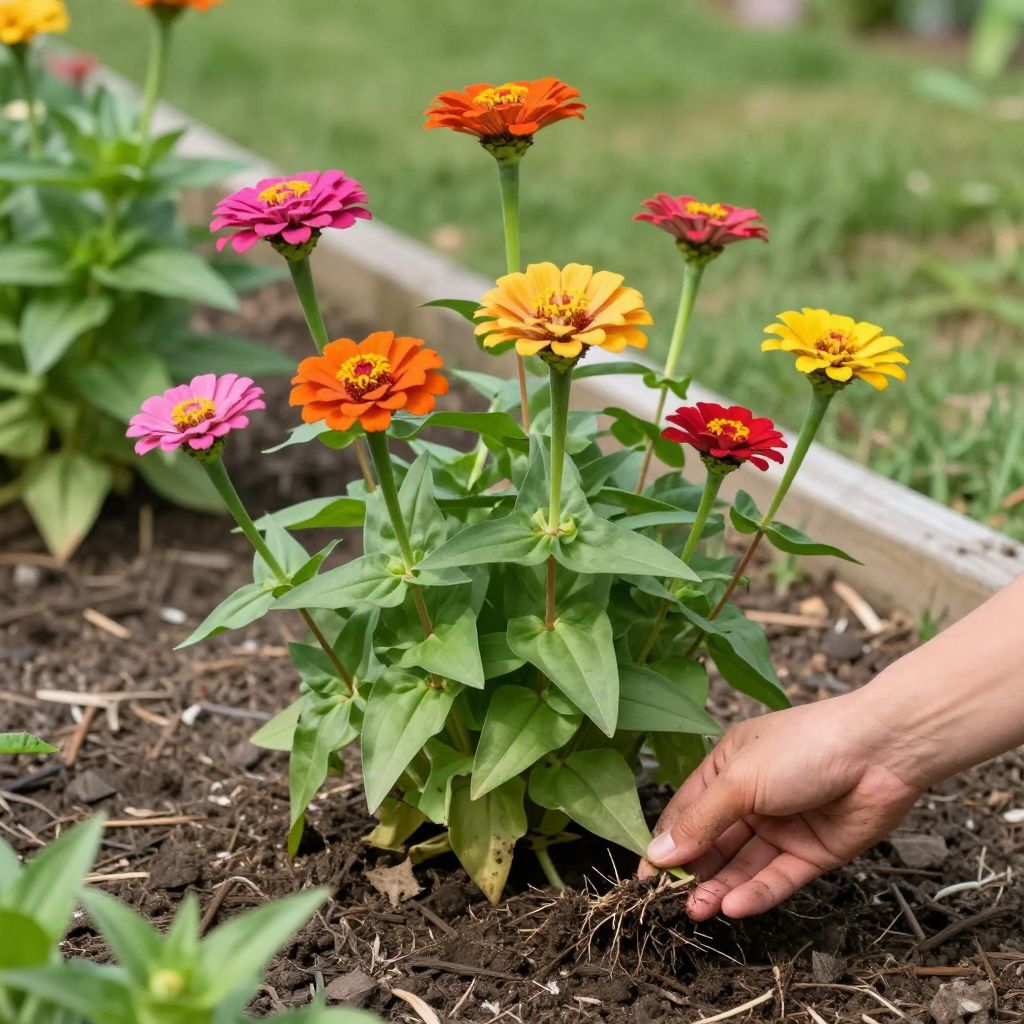
Are zinnias perennial? For most gardeners, the short answer is no: zinnias are usually grown as annuals because they are frost-tender and complete their life cycle in one season. In warm climates, they may self-seed and return from dropped seed, but that is not the same as being a true perennial plant.
The good news is that zinnias are easy to grow, fast to bloom, and rewarding in beds, borders, and containers. If you give them full sun, well-drained soil, and steady care, they can flower for months and keep your garden colorful until the first hard frost.
Are zinnias perennial?
Zinnias are not perennial in most gardens. They are tender annuals that grow, flower, set seed, and die after frost. In frost-free or very mild climates, they may survive longer, but they still behave like short-lived warm-season plants rather than dependable perennials.
What kind of plant is a zinnia?
Zinnias belong to the genus Zinnia, with Zinnia elegans being the most common garden type. These plants are valued for bright, long-lasting blooms and a wide range of flower forms, from single daisy-like flowers to fuller pompon styles.
Because zinnias grow quickly from seed, many gardeners treat them as seasonal color plants rather than long-term landscape shrubs or perennials. That makes them ideal for filling gaps in summer beds, cutting gardens, and pollinator plantings.
Annual vs. perennial: why the difference matters
- Annuals complete their life cycle in one growing season.
- Perennials survive winter and return from the same root system year after year.
- Zinnias usually fall into the first category, so you replant them each year in most regions.
If you live where winters are mild, you may see volunteer zinnias appear from self-seeded plants. That can make them seem perennial, but the original plant usually does not persist through cold weather.
Will zinnias come back every year?
Sometimes they appear to, but usually only through self-seeding. If seed drops into bare soil and winter conditions are gentle enough, new seedlings may emerge the following season. In colder climates, frost kills the plants before they can return.
If you want zinnias every year, the most reliable approach is to sow fresh seed each spring after frost danger passes and the soil has warmed. In warm regions with long growing seasons, you can often sow in succession for repeated blooms.
How to tell if you have volunteers
- Seedlings often appear near last year’s planting area.
- They may look smaller or less uniform than the parent plants.
- Flower color and form can vary if the original plants were hybrids.
Best growing conditions for healthy zinnias
Zinnias bloom best in full sun and warm weather. They need at least 6 to 8 hours of direct sunlight daily for strong stems and abundant flowers. In shadier spots, plants may stretch, produce fewer blooms, and become more prone to mildew.
Soil should be fertile but not overly rich, with good drainage. Zinnias dislike soggy roots, so heavy clay soil may need improvement with compost or raised beds.
Soil and drainage
- Use loose, well-drained soil for best results.
- Mix in compost to improve texture and support steady growth.
- Avoid planting in spots where water pools after rain.
Too much nitrogen can produce leafy plants with fewer flowers. A balanced, moderately fertile soil usually works better than heavily fertilized ground.
Watering basics
Water zinnias deeply when the top layer of soil begins to dry, especially during hot spells or while young plants are getting established. Try to water at the base of the plant rather than overhead, because wet foliage encourages disease.
Once established, zinnias handle brief dry periods better than many annual flowers, but they still bloom best with consistent moisture. Irregular watering can lead to stress, smaller flowers, and weaker stems.
How to grow zinnias from seed
Zinnias are among the easiest flowers to start from seed. Direct sowing is often the simplest method because they grow quickly and dislike root disturbance when transplanted too late.
- Wait until frost has passed and soil is warm.
- Choose a sunny bed with loose, well-drained soil.
- Sow seeds at the depth listed on the packet, usually shallowly.
- Keep the soil evenly moist until germination.
- Thin seedlings so plants have room to mature.
If you start zinnias indoors, use small pots or cell trays and transplant them carefully while they are still young. Older seedlings can become root-bound and may not transplant as smoothly.
Spacing matters
Good spacing improves air circulation, which helps prevent leaf problems. Crowded zinnias are more likely to develop powdery mildew and may produce smaller blooms on weaker stems.
- Leave enough room for the mature size of the variety you chose.
- Give tall zinnias extra space for airflow and support.
- Thin seedlings early rather than waiting until they are competing heavily.
Care tips that keep zinnias blooming longer
Regular deadheading helps zinnias keep producing flowers. Remove faded blooms before they set seed if you want more blossoms through the season. This simple task often makes a noticeable difference in flower count.
Cutting flowers for bouquets also encourages branching and more blooms. Use clean pruners or scissors and cut stems just above a leaf node or side shoot.
Pruning and cutting
- Pinch young plants if you want bushier growth.
- Deadhead spent flowers every few days during peak bloom.
- Harvest stems regularly for indoor arrangements.
For taller varieties, staking may help in windy gardens or rich soil where stems grow more quickly. Without support, heavy blooms can flop after rain or strong gusts.
Common zinnia problems and how to fix them
Most zinnia problems are related to moisture, crowding, or poor air circulation. Catching these issues early makes it easier to keep plants healthy through the season.
Powdery mildew
Powdery mildew often appears as a white, dusty coating on leaves, especially in humid weather or crowded plantings. It is more common late in the season, but you can reduce it by spacing plants well and watering the soil instead of the leaves.
Leaf spot and rot
Spots on leaves or stems can develop when foliage stays wet too long. Remove badly affected leaves, avoid overhead watering, and clear fallen debris from around the plants.
Pests
Common pests include aphids and spider mites. A strong spray of water can dislodge light infestations, while repeated monitoring helps you catch problems before they spread.
- Check leaf undersides regularly.
- Remove damaged growth when needed.
- Avoid overfeeding, which can attract soft, pest-prone growth.
Can you overwinter zinnias?
In most outdoor gardens, no. Zinnias are not cold-hardy, so frost usually ends the plant. If you want to keep zinnias going, your best option is to save seed from healthy flowers and sow again next season.
Seed saving is simple if you let a few blooms dry fully on the plant. Once the flower heads are brown and dry, collect the seed and store it in a cool, dry place until planting time. Keep in mind that hybrid zinnias may not grow true to type from saved seed.
When seed saving makes sense
- You want to repeat a favorite color or flower form.
- You are growing open-pollinated varieties.
- You want a low-cost way to replant next year.
Using zinnias in the garden
Zinnias fit well in borders, pollinator gardens, cutting beds, and containers. Their strong colors make them useful for filling empty spaces and adding summer-long interest.
They also pair well with other sun-loving annuals that prefer similar conditions, as long as you avoid crowding and keep the bed airy. In containers, choose a pot with drainage holes and use a quality potting mix rather than garden soil.
Best uses for zinnias
- Colorful edging along sunny pathways
- Cut flower beds for repeated harvesting
- Pollinator-friendly summer displays
- Patio containers with good drainage
Quick answer: how to keep zinnias thriving
If you want the best results, plant zinnias in full sun, use well-drained soil, water at the base, and remove faded flowers often. Those four habits do more for zinnia performance than most extras.
Remember that zinnias are usually annuals, not perennials. Plan to replant them each year, or let a few flowers go to seed if you want to see whether volunteers return in your climate.
If you want to grow more easy summer flowers after zinnias, look for related guides on deadheading annual flowers and choosing the best sunny border plants for your garden.