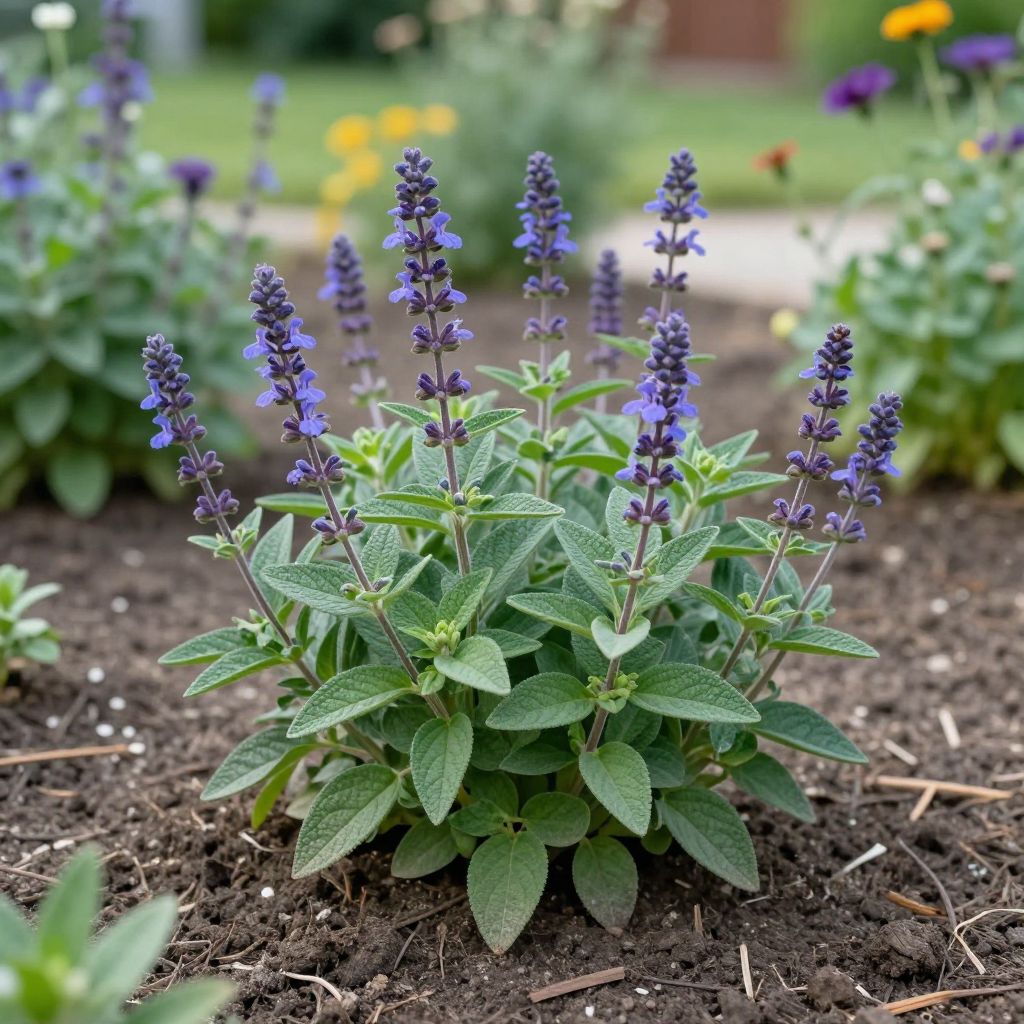
Are salvia perennials? In many gardens, yes—but not all salvias behave the same way. Some are long-lived perennial plants, some are tender perennials in warm climates, and some are grown as annuals where winter cold kills them back.
If you know which salvia you have and how your climate treats it, you can grow it successfully for years. The key is matching the plant to your winter temperatures, soil drainage, and pruning routine.
Are Salvia Perennials?
Many salvias are perennials, especially the hardy ornamental types such as Salvia nemorosa and Salvia officinalis in suitable climates. However, some salvias are frost-tender and only perennial in warm regions, while others are best treated as annuals because they do not survive cold winters.
Understanding the Different Types of Salvia
“Salvia” is a large genus, so the answer depends on the species. When gardeners ask if salvia is perennial, they usually mean the flowering landscape salvias sold for pollinators, borders, or herb gardens.
Hardy perennial salvias
These are the ones most likely to return year after year in the ground if drainage is good and winters are not too severe.
- Salvia nemorosa – a common ornamental perennial with spikes of purple, pink, or blue flowers.
- Salvia officinalis – culinary sage, which is perennial in many mild to moderate climates.
- Salvia x sylvestris and related hybrids – often grown as long-lived border perennials.
Tender perennial salvias
These may survive year-round only in frost-free or very mild regions. In colder areas, they often die back or need protection indoors.
- Salvia greggii and Salvia microphylla – shrubby salvias that can be perennial in warmer climates.
- Many ornamental salvias sold for long bloom and hummingbird appeal.
Annual or short-lived salvias
Some salvias are grown as bedding plants and replaced each season in cold climates. They may still be perennial where winters stay warm enough.
What Makes Salvia Come Back Each Year?
Whether salvia returns depends on three main things: winter cold, soil drainage, and plant health going into dormancy. A hardy salvia in soggy soil often fails before a less hardy one planted in a dry, well-drained bed.
- Cold tolerance: The plant must survive your lowest winter temperatures.
- Drainage: Wet winter soil can rot crowns and roots.
- Age and vigor: Older clumps may need division or replacement after several years.
- Pruning timing: Cutting at the wrong time can reduce winter protection in colder regions.
How to Grow Perennial Salvia Successfully
Most perennial salvias are easy to grow if you give them sun, lean soil, and excellent drainage. They are not heavy feeders and usually perform better when you avoid rich, overly moist conditions.
Sunlight
Full sun is best for most salvias. Aim for at least 6 hours of direct sun daily, though some types will tolerate light afternoon shade in very hot climates.
Too much shade often leads to floppy growth, fewer flowers, and a greater risk of mildew.
Soil and drainage
Salvia prefers soil that drains quickly. If your garden soil stays wet after rain, improve it before planting or choose a raised bed or container.
- Work in compost to improve structure, especially in poor soil.
- Avoid heavy, waterlogged clay unless you can amend it well or plant on a slope/raised area.
- Do not bury the crown too deeply.
Watering
Newly planted salvia needs regular watering until established, but established plants prefer moderate to low moisture. Water deeply, then let the soil dry slightly before watering again.
Overwatering is one of the most common reasons salvia fails. If the leaves yellow and the base feels soft, check drainage before adding more water.
Fertilizing
Salvia usually does not need much fertilizer. Too much nitrogen can produce lush leaves but fewer flowers and weaker stems.
- Mix a small amount of compost into the planting area if needed.
- In very poor soil, a light balanced feed in spring may help, but avoid overfeeding.
- Container-grown plants may need occasional feeding because nutrients wash out faster.
Planting Salvia in the Garden
Plant salvia when the soil is workable and the risk of severe frost has passed for your area, or in early fall in mild climates. The exact timing depends on your local weather and the type of salvia you are growing.
- Choose a sunny site with well-drained soil.
- Dig a hole slightly wider than the root ball.
- Set the plant at the same depth it was growing in the pot.
- Backfill gently and water to settle the soil.
- Mulch lightly, keeping mulch away from the crown.
If you are planting several salvias, space them so air can move between mature plants. Good airflow helps reduce disease and keeps foliage drier after rain.
Pruning and Deadheading for Better Growth
Pruning helps many salvias stay compact and bloom longer. Deadheading, or removing spent flower spikes, can encourage repeat flowering on some types.
After flowering
Trim faded flower spikes to tidy the plant and encourage more blooms. For many perennial salvias, this can extend the display well into the season.
In late winter or early spring
Cut back dead stems once new growth begins or after the worst cold has passed. In colder climates, leaving some stems over winter can help protect the crown.
Do not cut shrubby salvias too hard in late fall if your winters are cold. Tender new growth can be damaged by frost.
Winter Care: Will Salvia Survive the Cold?
Hardy perennial salvias often survive winter outdoors if the soil drains well and the plant is suited to your climate. Tender types may need extra protection or overwintering indoors.
For outdoor plants
- Stop heavy fertilizing late in the season.
- Reduce watering as temperatures cool, but do not let new plants dry out completely.
- Apply a light mulch after the ground cools, not before.
- Keep mulch away from the crown to prevent rot.
For containers
Potted salvia is more vulnerable to cold because roots freeze faster in containers. Move pots to a sheltered spot, such as against a protected wall, or overwinter tender varieties indoors if needed.
Container soil should still drain freely. Use pots with drainage holes and a loose potting mix, not garden soil.
Common Problems and How to Fix Them
Most salvia problems come from too much water, too little sun, or poor air circulation. Catching these issues early usually saves the plant.
Yellowing leaves
This often points to overwatering or poor drainage. Let the soil dry more between waterings and check that the crown is not sitting in soggy soil.
Few flowers
Salvia may bloom poorly in shade or overly rich soil. Move it to a sunnier location if possible and avoid high-nitrogen fertilizer.
Powdery mildew
This fungal issue appears as a white coating on leaves, especially in humid conditions or crowded plantings. Improve airflow, water at the base, and remove badly affected foliage.
Root or crown rot
This is usually caused by wet soil. Once rot starts, recovery can be difficult, so prevention matters most: good drainage, careful watering, and proper spacing.
Pests
Salvia is usually fairly pest-resistant, but you may see aphids, whiteflies, or spider mites, especially on stressed plants or container specimens. Spray with water, prune lightly, and keep plants healthy rather than relying on heavy treatments.
How to Propagate Salvia
If your salvia is thriving, you can often make new plants from cuttings or by division. This is a practical way to keep a favorite plant going if older clumps become woody or thin.
Division
Some perennial salvias can be divided in spring or early fall, depending on the species and your climate. Dig carefully, split the clump into healthy sections, and replant promptly.
Stem cuttings
Soft or semi-ripe cuttings are useful for shrubby salvias and many ornamental types. Take healthy non-flowering stems, remove lower leaves, and root them in a light, moist medium with bright indirect light.
Using Salvia in the Landscape
Perennial salvias work well in borders, pollinator gardens, cottage plantings, and dry-sun areas. Their upright flower spikes pair well with grasses, daylilies, coneflowers, and other sun-loving perennials.
- Use low-growing types at the front of a border.
- Plant taller varieties in the middle of mixed beds.
- Group several plants together for a stronger visual effect and better pollinator value.
Because many salvias are drought-tolerant once established, they are also a smart choice for water-wise gardens, provided the soil drains well.
Quick Checklist for Growing Perennial Salvia
- Choose the right species for your climate.
- Plant in full sun.
- Use well-drained soil.
- Water regularly until established, then less often.
- Avoid heavy fertilizer.
- Deadhead and prune at the right time.
- Protect tender types from winter cold.
Conclusion
So, are salvia perennials? Many are, but the answer depends on the species and your climate. If you choose a hardy type, plant it in sun, and keep the roots out of wet soil, salvia can return reliably year after year. Start by identifying your salvia, then match its care to your local conditions for the best results.
If you want to keep learning about easy, long-blooming garden plants, you may also enjoy reading more about perennial border flowers and pollinator-friendly herbs.