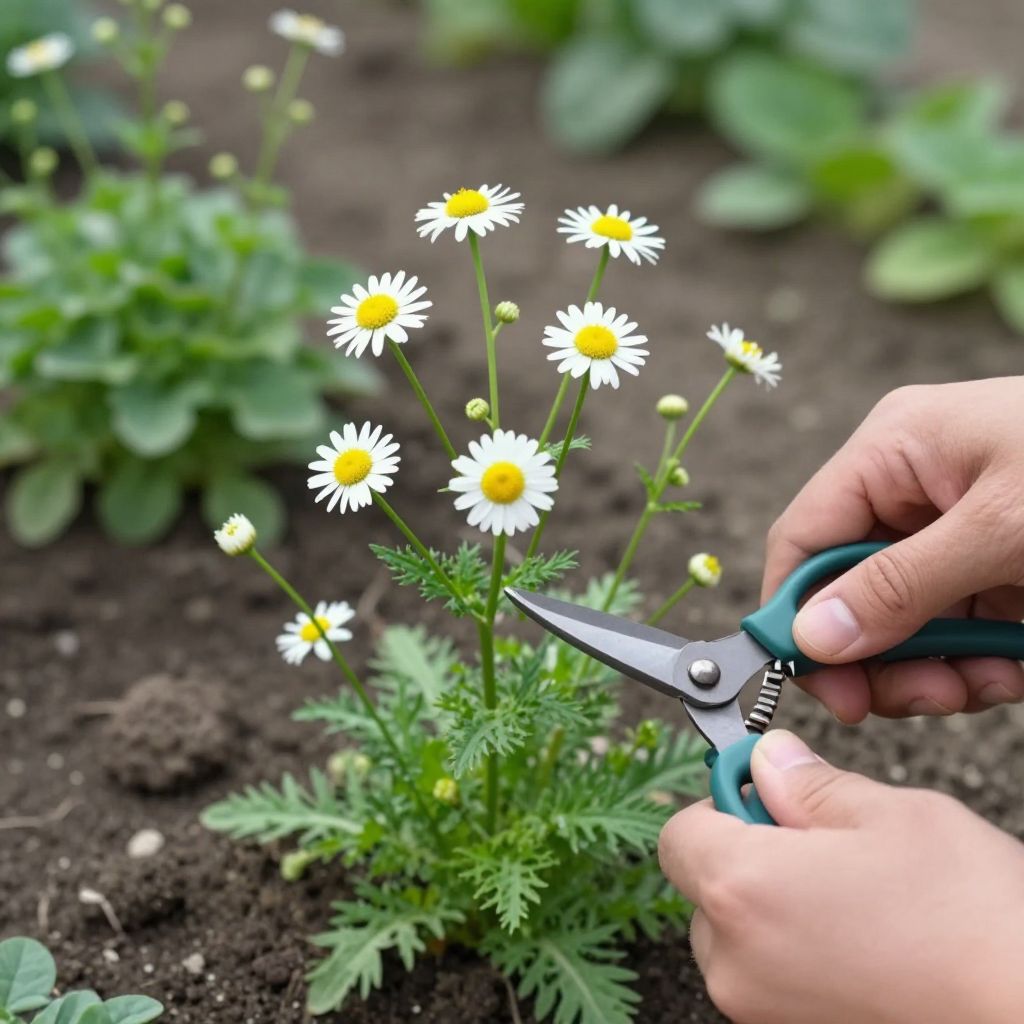
Wondering when to harvest chamomile so the flowers are at their best? The short answer is to pick the blossoms when they are fully open, fresh, and dry, usually during the bloom flush rather than waiting for them to fade. Harvesting at the right stage gives you the strongest aroma and the best quality for drying.
Chamomile is easy to grow, but timing matters. If you pick too early, the flowers are small and underdeveloped; too late, and they begin to lose fragrance and shed petals. A little careful harvesting also encourages the plant to keep flowering longer.
When to harvest chamomile?
Harvest chamomile when the flower heads are fully open and the white petals are flat or just beginning to relax from the center, but before they brown or drop. Pick on a dry morning after the dew has evaporated for the best flavor and drying quality. Harvest regularly through the bloom period to keep the plant producing.
How to tell chamomile is ready to pick
Chamomile flowers do not all open at once, so you will usually harvest by hand over several days or weeks. The best heads are bright, clean, and freshly opened.
Signs the flowers are ready
- The petals are fully open around the yellow center.
- The flower head looks plump, not shriveled.
- The petals are still white and the center is yellow, not brown.
- The flower feels dry to the touch, not damp from rain or dew.
Signs to wait a little longer
- Only a few petals are open.
- The center is still very small and undeveloped.
- The flower is wet from irrigation, rain, or morning moisture.
Signs you waited too long
- Petals are drooping, browning, or falling off.
- The center is starting to flatten and age.
- The flower no longer smells strongly aromatic.
Best time of day to harvest chamomile
Morning is usually the best time, after the dew has dried but before the heat of the day. That is when the blossoms are freshest and easiest to dry. Avoid harvesting in the evening if the flowers have absorbed moisture, because damp blooms are more likely to mold during drying.
If your climate is very humid, wait for a dry spell and choose the driest part of the day. In rainy weather, it is better to skip a harvest than to bring in wet flowers.
How to harvest chamomile flowers
You can harvest chamomile by pinching or snipping the flower heads. The method is simple, but a gentle touch helps preserve the blooms.
- Use clean scissors, snips, or your fingers.
- Hold the stem below the flower head.
- Remove the blossom cleanly, leaving most of the stem behind.
- Place the flowers in a shallow basket or tray so they do not crush.
Do not pack the flowers deeply in a bucket or bag. Chamomile bruises easily, and crushed blossoms dry poorly.
Should you cut stems or just the flower heads?
For drying, most gardeners harvest just the flower heads. If you want to encourage more blooms, removing the heads regularly is helpful. You can also snip short stem sections if that is easier, but the flower heads are the main part usually used.
How often to harvest chamomile
Chamomile blooms over time, not all at once, so check plants every few days during peak flowering. In warm weather, flowers may open quickly and need frequent picking. Regular harvesting helps prevent the plant from putting energy into seed production too early.
If you miss a few blooms, that is not a problem. Just remove the spent flowers and continue picking the fresh ones. The plant will usually keep producing as long as conditions are favorable.
Does harvesting chamomile help it keep blooming?
Yes, in most cases. Deadheading and harvesting spent or fresh blooms encourages many chamomile plants to keep flowering longer. Once flowers are left to mature into seed, the plant often slows bloom production.
This is especially useful if you are growing chamomile for a steady supply of flowers. A light, regular harvest is better than waiting for a large flush all at once.
Growing conditions that affect harvest timing
Harvest timing depends on how fast your plants grow and bloom. Sun, temperature, moisture, and soil all influence how quickly flowers open.
Sunlight
Chamomile generally flowers best in full sun to light shade. In hotter climates, a little afternoon shade can help the plant stay productive longer. In lower light, blooming may be slower and harvests may be less frequent.
Soil and drainage
Chamomile prefers well-drained soil. Heavy, wet soil can stress the plant and reduce flowering quality. If your soil stays soggy, improve drainage with compost and avoid overwatering.
Watering
Keep young plants evenly moist while they establish, then water when the soil begins to dry. Overwatering can lead to weak growth and fewer flowers. If blossoms are wet frequently, they are also harder to harvest and dry well.
Temperature and season
Chamomile usually blooms more freely in mild to warm weather. In cool conditions, growth slows. In intense heat, flowering may also drop off, especially if the plant is stressed by dry soil or poor drainage.
How to harvest chamomile for drying
If you are harvesting chamomile to dry, quality at picking time matters a lot. The fresher the flower, the better it will hold its color and aroma after drying.
Drying tips after harvest
- Spread flowers in a single layer on a screen, tray, or paper-lined surface.
- Keep them in a warm, dry, well-ventilated place out of direct sun.
- Turn them gently if needed so they dry evenly.
- Store only when the flower heads feel fully dry and crisp.
Never dry chamomile in a closed, humid space. Moisture trapped around the flowers can cause mold or discoloration.
Common mistakes when harvesting chamomile
Most harvesting problems come from picking at the wrong stage or handling the flowers too roughly. These mistakes are easy to avoid once you know what to look for.
- Picking too early: Small, unopened blooms have less fragrance and lower quality.
- Waiting too long: Older flowers lose aroma and may drop petals during drying.
- Harvesting when wet: Damp flowers dry poorly and can mildew.
- Crushing blooms in a container: Use a shallow container instead of a deep pile.
- Ignoring spent flowers: Leaving old blooms on the plant can reduce continued flowering.
What if your chamomile flowers are uneven?
It is normal for chamomile to open unevenly, especially in changing weather. Some blossoms may be ready while others are still developing. Harvest only the flowers at the right stage and leave the rest for later.
If the plant is producing very few blooms, check whether it is getting enough light, whether the soil is too rich or too wet, and whether older flowers are being removed regularly. Healthy, lightly stressed plants often flower more reliably than overfed or waterlogged ones.
Harvesting chamomile from containers or garden beds
Chamomile grows well in both containers and garden beds, and the harvest method is the same. In containers, flowers may dry out faster and bloom in smaller flushes, so check them often. In beds, plants may spread more and produce a longer harvest window.
Container-grown chamomile needs especially good drainage. If the pot stays wet, flowering can slow and the blooms may not hold up as well after picking.
Can you harvest chamomile after rain?
It is better to wait until the flowers are dry. Rain can make petals fragile and increase the chance of mold during drying. If you must harvest after wet weather, spread the flowers out immediately in a dry, airy place and remove any damaged or discolored blooms.
Quick harvest checklist
- Pick when flowers are fully open.
- Harvest on a dry morning after dew has gone.
- Use clean scissors or fingers.
- Handle blossoms gently.
- Dry them promptly in a ventilated space.
- Keep checking plants every few days during peak bloom.
Conclusion
The best time for when to harvest chamomile is when the flowers are fresh, fully open, and dry, before they start to age or lose petals. Pick regularly, handle the blooms gently, and dry them quickly for the best results. If you check your plants every few days, you will catch the flowers at just the right stage.
If you are growing more herbs at home, you may also want to read about herb garden care and harvesting tips and how to dry herbs properly for more practical guidance.