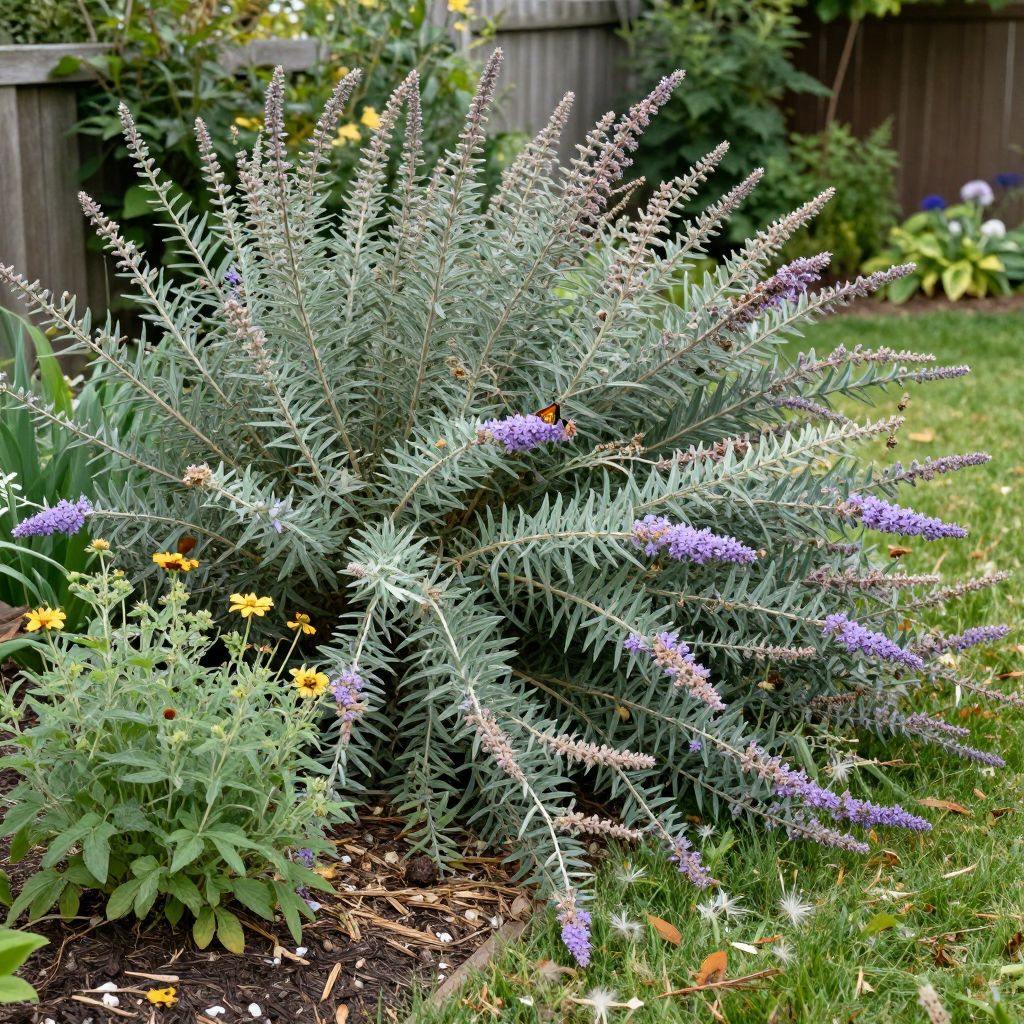
Why are butterfly bushes bad? In many gardens, butterfly bush (Buddleja) can become more trouble than it’s worth. The plant is often invasive in mild climates, can self-seed aggressively, and may crowd out native plants that support more wildlife. It can also look messy or woody if not pruned correctly.
That doesn’t mean every butterfly bush is a disaster, but it does mean you should understand its growth habits before planting one. If yours is already in the ground, you can still manage it well with pruning, deadheading, and careful monitoring for seedlings.
Why are butterfly bushes bad?
Butterfly bushes are considered “bad” mainly because they can spread beyond the garden, especially in warmer regions, and compete with native shrubs and wildflowers. They also attract adult butterflies more than caterpillars, so they are not always the best choice for supporting a full pollinator habitat. In some gardens, they become large, woody, and short-lived without regular care.
The main problems with butterfly bush
1. They can be invasive
Many butterfly bush varieties produce lots of seed, and those seeds can travel by wind. In suitable climates, seedlings may appear in fences, roadsides, vacant lots, and natural areas.
This is one of the biggest reasons people ask why butterfly bushes are bad. A plant that escapes cultivation can become a maintenance issue for you and an ecological problem for nearby habitats.
2. They may not truly support pollinators the way people expect
Butterfly bushes do attract butterflies, bees, and other nectar feeders, but they are mostly a nectar source for adult insects. They do not usually provide the host-plant value that native shrubs and perennials offer for caterpillars.
If your goal is to build a wildlife-friendly garden, a butterfly bush should not be your only pollinator plant. Native species usually do more to support the full life cycle of local insects.
3. They can become leggy and woody
Without pruning, butterfly bushes often develop long stems, sparse lower growth, and fewer flowers. Older shrubs may look tired or misshapen, especially after winter dieback or poor pruning.
This is not a sign that something is wrong with your soil alone. It is often a normal growth habit of the plant.
4. They can outgrow small spaces
Even compact butterfly bush varieties can become larger than expected in the right conditions. In a small border, they may shade nearby plants, crowd pathways, or require frequent cutting back.
If space is limited, choose a shrub carefully and check mature size rather than planting based only on the nursery pot label.
Should you remove butterfly bush from your garden?
Not every gardener needs to remove an established butterfly bush, but you should consider it if the plant is seeding heavily, spreading into unwanted areas, or taking over a mixed border. In wildlife gardens, replacing it with native shrubs often gives better long-term value.
If the shrub is healthy and well-contained, you can keep it with regular maintenance. The key is preventing seed spread and managing size before it becomes a problem.
How to tell if your butterfly bush is causing trouble
- Seedlings appear nearby in beds, cracks, or disturbed soil.
- The shrub is flowering but looks woody with few leaves low down.
- It shades smaller plants or leans into walkways.
- You see lots of spent flower spikes that were never deadheaded.
- It survives easily and spreads in your climate without much help.
What to do instead: practical solutions
Deadhead spent blooms before seeds form
Removing faded flower spikes can reduce self-seeding. Cut each spent bloom cluster back to a pair of healthy leaves or a side shoot.
This is especially useful if you live in a region where butterfly bush is known to naturalize. Deadheading will not stop every seed, but it can reduce the problem significantly.
Prune at the right time
Butterfly bush usually flowers on new growth, so pruning is often done in late winter or early spring after the worst cold has passed. In colder climates, wait until you can see whether the stems have survived winter.
Remove dead wood first, then shorten remaining stems to encourage a fuller shape. Avoid cutting too late in the season if your climate has a short growing period, because you may delay flowering.
Control seedlings early
Pull volunteer seedlings when they are small and the soil is moist. Young plants are much easier to remove than established shrubs.
If seedlings keep appearing, inspect the area around the parent plant, nearby fences, gravel edges, and compost piles. Seed can travel farther than many gardeners expect.
Replace with better choices if needed
If you want a pollinator-friendly shrub with less risk of spread, look for native or noninvasive alternatives suited to your region. Good choices vary by climate, but local extension services or native plant nurseries can help you choose plants that support butterflies, bees, and birds more effectively.
For many gardens, a mix of flowering shrubs, perennials, and host plants is better than relying on one fast-growing nectar shrub.
How to grow butterfly bush more responsibly
Choose sterile or low-seed varieties when available
Some newer cultivars are bred to produce fewer seeds. These can be a better option if butterfly bush is allowed in your area and you still want the flowers.
Even then, check local recommendations. In some regions, the plant is discouraged or restricted regardless of cultivar.
Plant in full sun and well-drained soil
Butterfly bush performs best in full sun and soil that drains well. In shade or soggy soil, it may grow weakly, bloom poorly, or develop root problems.
Good drainage matters more than rich soil. If your site stays wet after rain, choose a different shrub or improve the planting area before adding one.
Do not overfeed it
Too much nitrogen can push leafy growth at the expense of flowers. It may also make the plant grow even larger and more unruly.
In most gardens, a light top-dressing of compost in spring is enough. If your soil is already fertile, extra fertilizer may not help and can make the shrub harder to manage.
Common butterfly bush mistakes to avoid
- Planting it without checking whether it is invasive in your area.
- Letting spent flowers go to seed all season.
- Pruning too lightly, which leaves the shrub leggy.
- Pruning too late in a short-season climate, which can reduce bloom.
- Putting it in shade, where it becomes sparse and weak.
- Assuming it will support caterpillars the same way native host plants do.
Can you still enjoy butterfly bush if you already have one?
Yes, if you manage it carefully. A well-maintained butterfly bush can still provide summer color and nectar, especially in a contained garden bed. The main goal is to keep it from spreading and to prevent it from becoming a dominant, woody shrub.
Check your plant each season for seedlings, dead wood, and crowded growth. If it starts to outgrow its spot or spreads beyond your control, removal may be the best long-term choice.
Bottom line
Butterfly bushes are “bad” mainly when they spread, crowd out other plants, or give gardeners the wrong idea about pollinator support. If you keep one, deadhead it, prune it properly, and watch for seedlings. If you are planning a new pollinator garden, consider native shrubs and flowers instead.
For more practical plant choices and care tips, you may also want to read about native shrubs for pollinators and how to prune flowering shrubs.