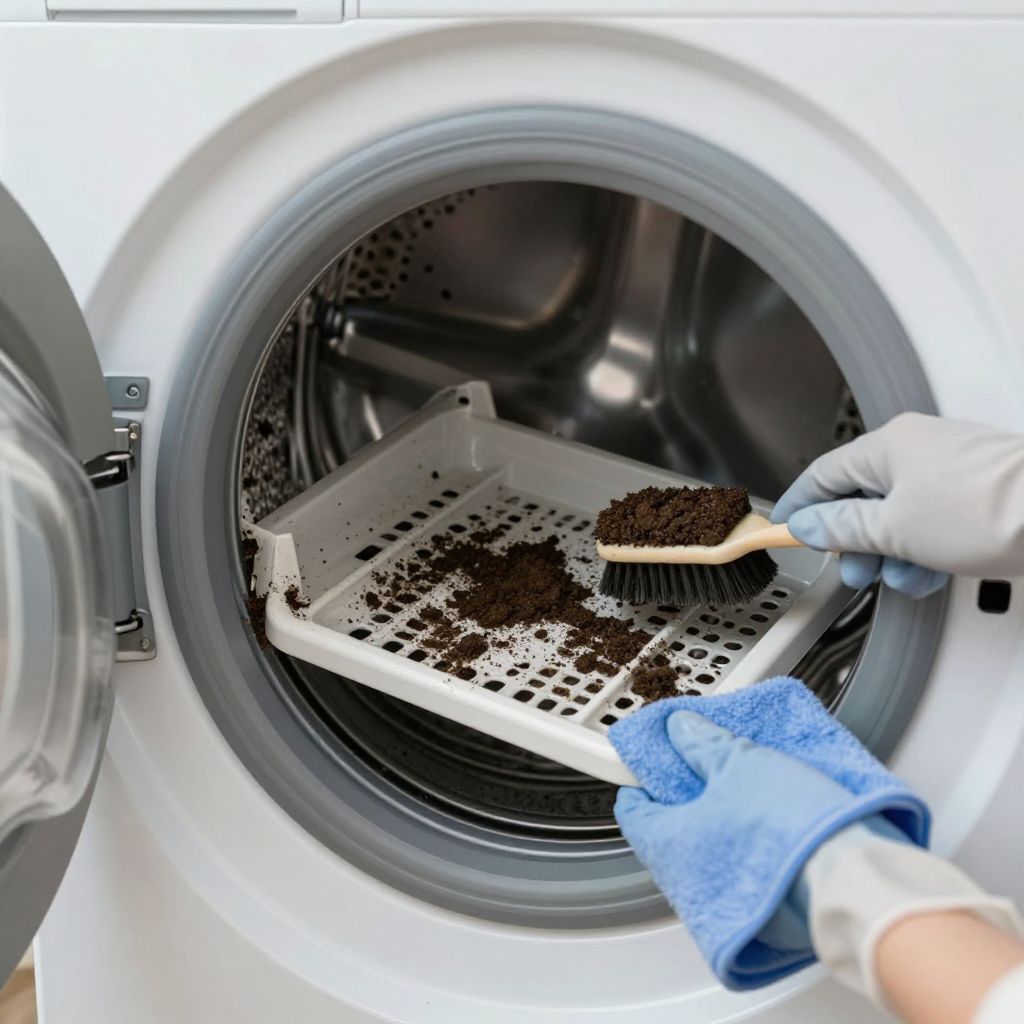
If you’re asking, “What is soil on washing machine?” you may have seen the phrase in a gardening context and wondered whether it refers to real soil, a plant problem, or a machine setting. In gardening, the most likely meaning is a misunderstanding of “soil” as dirt or residue, not a plant feature.
If you meant a gardening issue involving soil on equipment, the practical answer is that muddy, clay-heavy, or compost-rich soil can cling to tools, boots, pots, and outdoor surfaces. Knowing what kind of soil you’re dealing with helps you clean tools properly, protect drainage, and avoid spreading pests or disease around the garden.
What is soil on washing machine?
“Soil on washing machine” is not a gardening term for a plant or soil type. In a garden setting, it usually refers to dirt, mud, compost, or clay stuck to laundry, work clothes, or garden gear after outdoor work. The key concern is cleaning and preventing contaminated soil from spreading.
Why garden soil sticks so stubbornly
Not all soil behaves the same way. Sandy soil brushes off more easily, while clay soil, silt, and compost-rich mixes can smear, clump, and stain because they hold water and fine particles.
If you garden in wet weather or work in beds with high clay content, expect more residue on gloves, shoes, kneeling pads, and clothing. That residue can also carry weed seeds, fungal spores, and soil-borne pests.
Common soil types and how they behave
- Sandy soil: loose, gritty, and easier to shake off.
- Loam: balanced and crumbly, usually moderate to clean up.
- Clay soil: sticky when wet, hard when dry, and often the messiest.
- Compost-rich potting mix: dark and fine, often leaves staining residue.
How to clean soil off garden clothes, tools, and equipment
Start by removing dry soil before adding water. Scraping or brushing first prevents mud from setting deeper into fabric, seams, and tool joints.
- Let muddy items dry if possible.
- Brush off loose soil outdoors.
- Rinse tools and boots with a hose or bucket of water.
- Wash clothing separately from household laundry if heavily soiled.
- Disinfect pruning tools if you worked with diseased plants.
Best practices for washing garden clothing
- Shake out pockets, cuffs, and hems before washing.
- Use cold or lukewarm water for most soil stains.
- Pre-treat clay stains with a soak rather than hot water first.
- Wash heavily soiled items separately from delicate fabrics.
Avoid putting thick clumps of mud straight into a washing machine. Large amounts of soil can clog filters, settle in the drum seal, and reduce cleaning performance.
What soil residue can tell you about your garden
The kind of soil that clings to your gear can give you clues about your garden conditions. Sticky, heavy residue often points to compacted clay or poorly drained beds. Fine dust may suggest dry, sandy ground or crumbly potting mix.
That matters because soil structure affects root growth, watering, and plant health. If your garden soil is constantly coating everything in sticky mud, your beds may need better drainage, more organic matter, or less traffic when wet.
Signs your soil may need improvement
- Water pools on the surface after rain.
- Footprints remain visible in wet beds.
- Plants wilt even when the soil feels damp.
- Roots stay shallow or plants grow slowly.
- The soil forms hard clods when dry.
How to improve sticky or compacted garden soil
If the “soil” problem in your garden is really poor soil structure, focus on building crumbly, well-aerated ground. The goal is to help water move through the soil while still holding enough moisture for roots.
Practical soil-improvement steps
- Add organic matter: mix in compost, leaf mold, or well-rotted manure where appropriate.
- Mulch the surface: use shredded leaves, bark, or compost to reduce crusting and splash.
- Avoid working wet clay: digging wet soil makes compaction worse.
- Use raised beds if needed: helpful where drainage is poor or native soil is heavy.
- Limit foot traffic: keep paths and planting areas separate.
For containers, use a quality potting mix rather than garden soil. Garden soil in pots often compacts, drains poorly, and leaves more residue on surfaces and laundry.
Cleaning and maintenance tips for gardeners
Good cleanup habits protect both your tools and your plants. Soil left on pruners, trowels, and pots can spread disease and make future jobs harder.
Tool care checklist
- Rinse tools after each use.
- Dry metal parts to prevent rust.
- Oil moving joints occasionally.
- Remove caked soil from trowel edges and pruner blades.
- Sanitize tools after cutting diseased material.
If you reuse pots, scrub off all old soil and roots before replanting. Old potting mix can harbor fungus gnats, root diseases, and salts that affect new seedlings.
Common mistakes to avoid
Many cleanup problems happen because gardeners try to wash everything too quickly. A little preparation saves time and keeps soil from spreading around the house or garden shed.
- Don’t wash mud-heavy clothing without shaking off dry soil first.
- Don’t store damp, soil-covered tools in a closed box or shed corner.
- Don’t assume all dark residue is harmless compost; it may carry disease.
- Don’t overwork wet ground just to “fix” it faster.
- Don’t use garden soil in containers unless you specifically need it for a landscape project and understand the drainage limits.
Troubleshooting stubborn soil stains and residue
If soil stains remain after washing, the issue may be clay content, iron-rich soil, or organic matter trapped in fibers. Re-soak the item, brush again, and wash with a detergent suited to work clothes.
For tools with stuck-on soil, use a stiff brush, a plastic scraper, or a soak in water before scrubbing. Avoid metal scrapers on coated tools, since they can damage protective finishes.
When soil residue suggests a bigger problem
- Repeated muddy runoff may mean poor drainage in the garden.
- Sticky clods on every tool may indicate compacted soil.
- Foul-smelling wet soil can signal anaerobic conditions.
- White crust on pots or surfaces may point to salt buildup from fertilizers or hard water.
Garden hygiene and disease prevention
Soil is part of a healthy garden, but it can also carry problems from one bed to another. If you have had blight, wilt, root rot, or other soil-borne issues, clean tools and remove contaminated debris carefully.
Separate healthy plant cleanup from diseased plant cleanup when possible. Bag infected material if local guidance recommends it, and avoid spreading old soil into beds where sensitive plants will grow.
Conclusion: what to do next
If you were wondering what “soil on washing machine” means in a gardening context, the practical takeaway is simple: identify whether you’re dealing with muddy residue, poor soil structure, or contaminated garden debris. Clean tools promptly, improve drainage where needed, and keep soil from building up on clothes and equipment.
For more practical help with soil health and garden cleanup, look for related reading on composting, container soil, and improving clay soil in your garden.