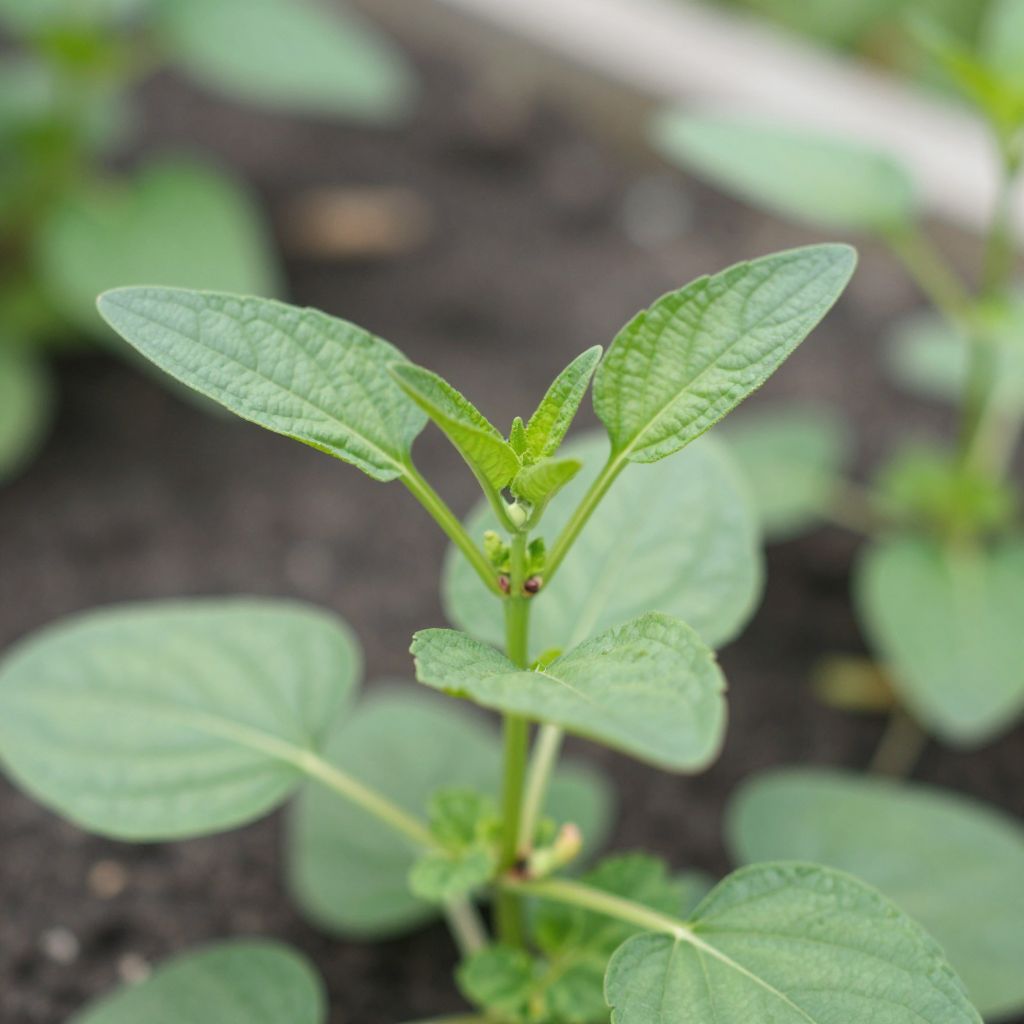
What is a plant node, and why does it matter when you prune, propagate, or train a plant? A node is one of the most important parts of a stem because it is where leaves, buds, and new growth emerge. If you can identify nodes correctly, you can make better cutting, pruning, and propagation decisions.
Whether you garden indoors or outdoors, understanding nodes helps you avoid damaging growth points and improves your success with cuttings. It also makes it easier to spot where a plant will branch, flower, or root.
What is a plant node?
A plant node is the point on a stem where a leaf, bud, branch, or aerial root grows. The spaces between nodes are called internodes. When you know how to find a node, you can prune in the right place, take healthier cuttings, and better understand how a plant grows.
How to identify a node on a plant
Nodes are usually visible as small bumps, joints, leaf attachments, or slight swellings along the stem. On many plants, the node is the exact spot where a leaf meets the stem. In some plants, you may also see a bud, thorn, or aerial root emerging from the node.
What to look for
- Leaf attachment points where a leaf grows from the stem.
- Buds that may be dormant or beginning to swell.
- Branching points where a side stem forms.
- Aerial roots on some houseplants and vines.
- Small swellings or rings on stems, especially on herbaceous plants.
Node vs. internode
- Node: the growth point.
- Internode: the stem section between two nodes.
If you are unsure, trace the stem from one leaf to the next. The leaf joins the stem at the node, and the bare section between leaves is the internode.
Why plant nodes matter in gardening
Nodes control where a plant can produce new leaves, branches, roots, and flowers. That makes them important for pruning, propagation, training, and troubleshooting weak growth. Cutting in the wrong place can remove a growth point or reduce the plant’s ability to branch.
Pruning
When you prune just above a node, many plants respond by pushing new growth from the buds below the cut. This is one of the simplest ways to encourage a fuller shape on herbs, houseplants, shrubs, and young ornamentals.
Propagation
Many stem cuttings root best when they include at least one node, and often more than one. Roots commonly form from nodes rather than from the middle of a bare stem, so node placement can make the difference between success and failure.
Training and shaping
For climbing or trailing plants, nodes are the places where you can encourage branching, attach support, or direct growth. Knowing where the nodes are helps you guide the plant without snapping tender stems.
How to use nodes when taking cuttings
For many common houseplants and soft-stemmed garden plants, cuttings root best when the node is included in the cutting and placed in water, moist potting mix, or another rooting medium. The exact method depends on the plant type, but the node is usually the key part that forms roots.
Basic cutting steps
- Choose a healthy stem with visible nodes and no disease or pest damage.
- Use clean, sharp pruners or scissors to make a cut just below a node.
- Remove lower leaves so a node can sit in water or soil without rotting.
- Place the cutting in the chosen rooting medium.
- Keep conditions warm, bright, and out of direct harsh sun.
Important: Do not bury too much of the stem. If leaves sit below the waterline or soil surface, they can rot and invite disease.
Water rooting vs. soil rooting
- Water rooting: useful for many easy houseplants because you can watch root development.
- Soil rooting: often better for plants that dislike transplant shock or need a more stable rooting environment.
Whichever method you use, make sure at least one node is in contact with the rooting medium.
Where to cut: above or below a node?
For pruning, cut just above a node if you want the plant to branch from that point. For stem cuttings, cut just below a node so the cutting includes the growth point most likely to produce roots. This simple rule helps avoid unnecessary damage.
Common mistakes to avoid
- Cutting too far above a node and leaving a long stub.
- Removing the node entirely when preparing a cutting.
- Confusing a leaf scar or thorn with a true node.
- Using dull tools that crush stems instead of making a clean cut.
Do all plants have obvious nodes?
Most stems have nodes, but they are easier to see on some plants than others. Herbaceous plants, vines, and many houseplants often show nodes clearly. Woody shrubs and trees also have nodes, but they may be hidden by bark, leaf scars, or older growth.
Examples by plant type
- Houseplants: pothos, philodendron, monstera, and tradescantia often show very visible nodes.
- Herbs: basil, mint, and coleus have clear nodes and respond well to pinching above them.
- Woody plants: rose canes, shrubs, and young branches have nodes, though they may be less obvious.
- Grasses: nodes appear as jointed points along the stem, often near the base.
How nodes affect plant growth
Nodes contain dormant buds that can activate when the stem is cut, damaged, or stimulated by light and pruning. This is why pinching a plant above a node can create a bushier shape. It is also why some plants send out side shoots after trimming.
When long internodes are a problem
If a plant has long spaces between nodes, it may be stretching for more light. This is common indoors when light is weak or uneven. In that case, improving light exposure is often more effective than heavy pruning alone.
- Move the plant to brighter indirect light if appropriate.
- Rotate the container regularly so growth stays balanced.
- Prune leggy stems above a node to encourage branching.
Node care for indoor plants
Indoor gardeners often use nodes when propagating pothos, philodendron, spider plant, and similar plants. The main concern indoors is usually light and rot prevention, not weather. Clean tools, bright indirect light, and a well-draining medium help nodes stay healthy and active.
Indoor propagation tips
- Use a sterile blade or scissors.
- Keep cuttings in bright, indirect light.
- Change water regularly if rooting in water.
- Use a loose, airy potting mix if rooting in soil.
- Avoid deep planting that covers multiple leaves.
If a cutting turns mushy near the node, remove the damaged part and restart with a cleaner cut and fresher medium.
Node care for outdoor plants
Outdoors, nodes matter most when you are pruning annuals, perennials, shrubs, and vines. Weather, season, and plant maturity affect how quickly a node will respond after cutting. In cool conditions, new growth may be slower; in active growing weather, nodes can break into new shoots more quickly.
Outdoor pruning guidance
- Prune above a healthy node to encourage branching.
- Avoid cutting too late in the season if frost or cold weather is near.
- Do not remove too much growth at once from stressed plants.
- Sanitize tools between plants if disease is a concern.
For flowering plants, remember that some bloom on old wood and some on new wood. If you are unsure, identify the plant first before cutting back heavily around nodes.
Problems that can affect nodes
Nodes can be damaged by pests, disease, physical injury, or poor growing conditions. Because nodes are active growth points, damage there can reduce branching, delay rooting, or weaken the whole stem.
Common issues
- Rot: often caused by overly wet conditions or buried leaves.
- Pests: aphids, mealybugs, and scale may cluster near nodes and buds.
- Mechanical damage: broken stems can split at or near a node.
- Etiolation: weak, stretched growth with wide internodes from low light.
What to do
- Inspect nodes closely when you see distorted new growth.
- Remove badly damaged stems with clean tools.
- Improve airflow and avoid soggy soil.
- Check the undersides of leaves and stem joints for pests.
Simple tools that help
You do not need specialized equipment to identify nodes, but a few basic tools make the job easier and safer. Clean, sharp tools reduce tearing and help cuts heal more cleanly.
- Hand pruners or sharp scissors
- A clean knife for precise cuttings
- Rubbing alcohol or another tool sanitizer
- Plant ties for training stems
- Labels if you are propagating several cuttings
Quick checklist for finding a node
If you are still unsure, use this simple method:
- Find a leaf attached to the stem.
- Look at the exact point where the leaf meets the stem.
- Check for a bump, bud, scar, or tiny side shoot.
- Look just above and below it for the internode.
- Use that point as your guide for pruning or taking a cutting.
Conclusion
Once you know what a plant node is, pruning and propagation become much easier. The node is the growth point that helps a plant branch, root, and recover after cutting, so identifying it correctly is one of the most useful skills a gardener can learn.
If you want to keep building your plant-knowledge basics, you may also find this guide to plant nodes and this soil guide for snake plants helpful for related indoor gardening care.