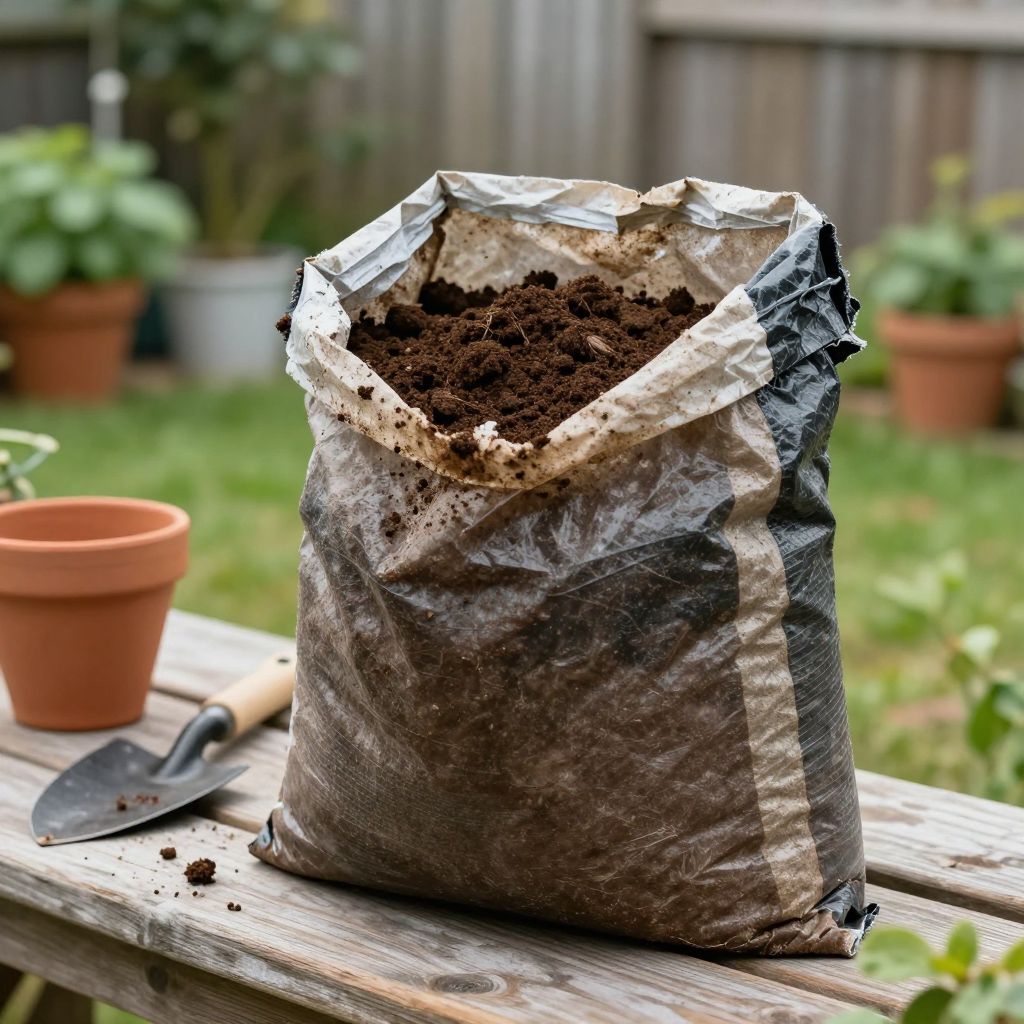
Can potting soil go bad? Yes, it can. Potting mix does not usually “spoil” like food, but it can lose structure, dry out unevenly, develop mold, or become contaminated over time, which makes it much less useful for healthy plants.
The good news is that old potting soil is often still usable if you check it carefully and refresh it the right way. Knowing what to look for can save you money, reduce waste, and help you avoid planting into a mix that drains poorly or harbors pests.
Can potting soil go bad?
Yes. Potting soil can go bad when it breaks down, compacts, dries into hard clumps, smells sour, or becomes infested with fungus gnats, mold, or disease organisms. Unopened bags often stay usable for a long time if stored dry, but once a mix has been opened or reused, its quality can decline faster.
What makes potting soil lose quality?
Potting soil is a blend of ingredients such as peat moss, coco coir, compost, bark, perlite, and sometimes fertilizer or wetting agents. Over time, those ingredients change. The mix may shrink, hold too much water, or lose the airy texture roots need.
Common reasons potting soil goes bad
- Moisture exposure: Damp storage encourages mold, fungus gnats, and bacterial growth.
- Compaction: Fine particles settle and reduce air spaces, especially in reused soil.
- Nutrient decline: Fertilizer in the mix is often used up after one growing cycle.
- Salt buildup: Repeated fertilizing can leave residue that stresses roots.
- Pests or disease: Old soil can harbor larvae, spores, or root disease pathogens.
- Physical breakdown: Bark and organic matter decompose, changing drainage and texture.
How to tell if potting soil is still good
Before you reuse or plant in potting soil, inspect it with your eyes, nose, and hands. Good potting mix should be loose, light, and earthy-smelling. If it looks or feels wrong, it may need refreshing or replacing.
Signs the soil is probably still usable
- It smells fresh, like clean earth or forest floor.
- It crumbles easily when squeezed.
- It drains water without staying soggy for hours.
- It has no visible insects, larvae, or fuzzy growth.
- It does not contain obvious trash, root rot, or dead plant debris.
Signs potting soil has gone bad
- Musty, sour, or rotten smell
- White, gray, or green fuzzy mold throughout the bag or container
- Hard, compacted clods that do not break apart easily
- Water beads on the surface or runs around the edges instead of soaking in
- Lots of fungus gnats, larvae, or other small pests
- Visible salt crust on pots or soil surface
- Plant roots that look brown, mushy, or diseased after growing in it
Does unopened potting soil expire?
Unopened potting soil can stay usable for a long time if it is kept dry, sealed, and out of extreme heat or freezing conditions. It may still lose some performance over time, especially if the bag has been stored in a garage, shed, or outdoors where moisture can get in.
Storage conditions matter
A sealed bag stored in a cool, dry place will usually last longer than one left open or exposed to rain. Heat can dry out wetting agents and damage some additives, while moisture can trigger mold and decomposition.
- Keep bags off bare concrete if possible.
- Store them away from direct rain and standing water.
- Seal opened bags tightly or transfer the mix to a lidded bin.
- Label older bags so you use them first.
Can you reuse old potting soil?
Often, yes. Reused potting soil can work well for many non-demanding plants if it is clean, refreshed, and structurally sound. It is best for containers with annuals, foliage plants, or outdoor use where a small performance drop is less risky than for seedlings or high-value houseplants.
When to avoid reusing it
Do not reuse potting soil from diseased plants, root rot cases, or containers with serious pest problems unless you are sure it has been properly treated and refreshed. If the soil smells bad or looks contaminated, discard it rather than gambling with new plants.
How to refresh old potting soil
If the mix is only mildly tired, you can improve it instead of throwing it away. The goal is to restore texture, drainage, and fertility without overloading the container with old root debris or salts.
- Remove old roots, stems, and debris. Break apart clumps and shake out dead material.
- Check texture. If it is compacted, mix in fresh potting mix or a drainage amendment such as perlite.
- Look for pests. Discard any soil with visible larvae, mites, or heavy fungus gnat activity.
- Refresh nutrients. Blend in a small amount of fresh potting mix or finished compost if appropriate for the plant.
- Moisten evenly. Dry, old mix may need gradual watering to rehydrate; add water slowly so it absorbs instead of running off.
Simple blending guide
A common approach is to mix old potting soil with an equal amount of fresh potting mix. If the old soil is only slightly depleted and still airy, you may use more old mix than new. If it is compacted or weak, use less old material.
Do not reuse more than the soil can support. Seedlings, herbs, and container vegetables usually do better in fresher mix than mature ornamental plants.
Should you sterilize potting soil?
Sometimes. Sterilizing or heat-treating soil can reduce pests and some disease organisms, but it is not always necessary and can also reduce beneficial life in the mix. For many home gardeners, discarding clearly contaminated soil is simpler and safer.
Use caution with heat treatment
If you choose to heat-treat small amounts of soil, do it carefully and only when you need to salvage a mix that is otherwise usable. Overheating can create unpleasant odors and may damage the soil structure. Always let treated soil cool fully before using it.
How to prevent potting soil from going bad
Good storage and clean gardening habits make the biggest difference. Potting soil often goes bad because it is left damp, contaminated, or open to pests.
- Keep bags sealed until needed.
- Store soil in a dry, shaded place.
- Use clean pots, scoops, and mixing tubs.
- Do not return used soil to the original bag.
- Remove dead roots and fallen leaves from containers promptly.
- Water containers only as needed so the mix does not stay soggy.
Best practices for indoor containers
Indoor plants are especially sensitive to stale, compacted potting soil because containers dry slowly and pests spread easily inside the home. Use a well-draining mix and avoid letting water sit in saucers for long periods.
Best practices for outdoor containers
Outdoor pots face rain, heat, and repeated wet-dry cycles. Check them more often for compaction and nutrient loss, especially after a full season of growth or heavy rainfall.
What happens if you plant in bad potting soil?
Plants in poor potting soil may grow slowly, wilt even when watered, yellow early, or develop root rot. In severe cases, the roots cannot get enough oxygen, and the plant declines quickly. Seedlings are especially vulnerable because they need a loose, evenly moist medium.
Common plant symptoms linked to bad soil
- Leaves yellowing from the bottom up
- Wilting despite moist soil
- Slow growth or stunted new leaves
- Algae or mold on the soil surface
- Gnats flying when the pot is disturbed
- Roots circling tightly or turning brown and mushy
When to throw potting soil away
Sometimes the safest choice is to discard it. If the mix is contaminated, foul-smelling, heavily compacted, or full of pests, it is usually not worth trying to save.
Discard it if you notice
- Rotten or sewage-like odor
- Persistent mold throughout the bag
- Heavy insect infestation
- Signs of root disease from a sick plant
- Soil that stays muddy and never loosens up
- Large amounts of salt crust or chemical residue
If you compost, only add small amounts of clean, disease-free potting soil to the compost pile when appropriate, and never add contaminated mix that could spread problems back into the garden.
Quick troubleshooting guide
If you are unsure whether your potting soil is still usable, this simple check can help.
- Smells earthy and feels loose: likely usable with little or no refreshment.
- Smells stale but not rotten: mix with fresh potting soil and improve drainage.
- Has mold or gnats: remove contaminated material and consider replacing it.
- Is hard and compacted: break it up and blend in fresh mix or perlite.
- Was used for diseased plants: discard it rather than reusing it.
Conclusion
So, can potting soil go bad? Yes, but not always beyond rescue. Check the smell, texture, drainage, and pest level, then decide whether to refresh, reuse, or discard it. If you want the best results, start with clean, airy mix and store the rest dry and sealed for next time.
For more help comparing old and new garden materials, you may also find these related guides useful: does potting soil go bad and does grass seed go bad.