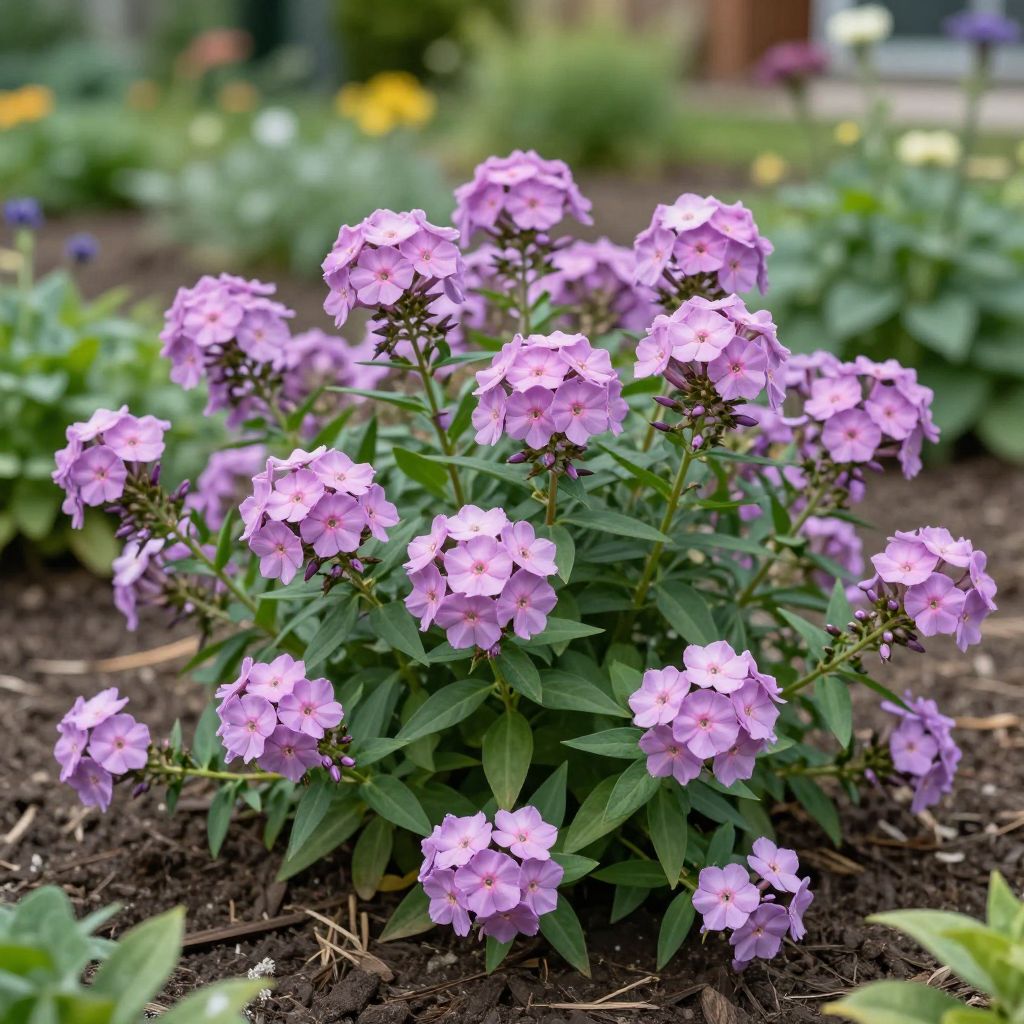
When does phlox bloom? The short answer is that it depends on the type of phlox you grow. Creeping phlox usually flowers in spring, garden phlox blooms in summer, and woodland phlox often blooms in spring to early summer. Your climate, sun exposure, and plant health also affect exactly when the flowers open.
If you want a longer display, the best approach is to choose more than one kind of phlox and give each the right growing conditions. With good light, decent soil, and timely deadheading, you can enjoy phlox flowers for weeks instead of just a brief flush.
When does phlox bloom?
Phlox bloom time varies by species, but most garden varieties flower from spring through late summer. Creeping phlox usually blooms in early to mid-spring, woodland phlox in spring, and garden phlox in mid- to late summer. In cooler climates, bloom may start later; in warmer areas, it may begin earlier.
Which type of phlox are you growing?
Knowing the kind of phlox matters more than the calendar. Different species have different bloom windows, growth habits, and care needs.
Creeping phlox (Phlox subulata)
This low-growing groundcover is one of the first phlox to bloom. It often flowers in spring, creating a carpet of pink, purple, white, or blue blooms.
It is commonly used on slopes, borders, rock gardens, and sunny edges where drainage is excellent.
Woodland phlox (Phlox divaricata)
Woodland phlox usually blooms in spring to early summer. It prefers partial shade and moist, humus-rich soil, making it a good choice for woodland gardens and lightly shaded borders.
Garden phlox (Phlox paniculata)
Garden phlox is the tall, classic perennial many gardeners picture. It typically blooms in mid- to late summer and can continue into early fall if conditions are favorable.
It is valued for its height, fragrance, and pollinator appeal, but it needs good air circulation to help prevent mildew.
What affects phlox bloom time?
Even within the same type, bloom time can shift by a few weeks depending on weather and growing conditions. A healthy plant in the right spot will usually bloom on schedule, while stressed plants may bloom late, weakly, or not at all.
- Climate: Cooler regions delay bloom; warmer regions often bring earlier flowering.
- Sunlight: More sun usually means better flowering, especially for creeping and garden phlox.
- Soil moisture: Too dry can reduce buds; too wet can weaken roots.
- Soil fertility: Rich but not overly nitrogen-heavy soil supports stronger blooms.
- Plant age: Young plants may bloom later or less heavily than established clumps.
Sunlight and bloom quality
Most phlox bloom best with at least 6 hours of sun, though woodland phlox tolerates partial shade. If a plant gets too much shade, it may grow leggy and produce fewer flowers.
In hotter climates, afternoon shade can help garden phlox last longer and reduce stress, especially during summer heat.
Soil and drainage
Phlox generally prefers soil that holds some moisture but drains well. Heavy, soggy soil can lead to root problems and weaker flowering.
If your soil is compacted, work in compost before planting and avoid placing phlox where water pools after rain.
How to encourage better blooming
If your phlox is alive but not flowering well, the issue is often cultural rather than genetic. A few simple adjustments can make a big difference.
- Give it enough sun. Move container plants or thin nearby shade if possible.
- Improve soil structure. Add compost to poor soil, especially before planting.
- Water consistently. Keep soil evenly moist, especially while buds are forming.
- Mulch lightly. A 2-inch layer helps conserve moisture and suppress weeds.
- Avoid excess nitrogen. Too much leafy growth can mean fewer flowers.
- Deadhead spent blooms. This can tidy the plant and sometimes encourage a second flush.
Watering without overdoing it
Phlox likes steady moisture, but not constant saturation. Water deeply when the top inch or two of soil begins to dry, especially during bud formation and hot spells.
Try to water at the base of the plant rather than overhead. Wet foliage can encourage powdery mildew, especially on garden phlox.
Pruning and deadheading
Deadheading can extend the display on some phlox types and prevents the plant from putting energy into seed production. For garden phlox, you can also cut stems back after the main bloom to encourage tidier growth.
In spring, pinch back taller garden phlox when shoots are about 6 to 8 inches tall if you want bushier plants and slightly later, sturdier bloom stems.
Why your phlox may not be blooming
When phlox fails to flower, the cause is usually a mismatch between the plant and its site, or a maintenance issue. Start by checking light, soil, and plant vigor before assuming the plant is failing.
- Too much shade: Common in garden phlox and one of the biggest reasons for poor bloom.
- Overfertilizing: High-nitrogen fertilizer can produce lush foliage with few flowers.
- Overcrowding: Dense clumps compete for light, air, and nutrients.
- Drought stress: Buds may drop or open poorly if the plant dries out.
- Disease pressure: Powdery mildew and other issues can reduce vigor.
- Recently planted divisions: Young divisions may need a season to settle in before blooming heavily.
Powdery mildew and other common problems
Garden phlox is especially prone to powdery mildew in humid weather or crowded plantings. It often appears as a white coating on leaves and can weaken the plant over time.
To reduce the problem, space plants properly, water at soil level, remove badly affected foliage, and improve airflow around the clump.
How to plant phlox for reliable blooms
Good planting practices set the stage for better bloom timing and stronger flowering in later seasons. The right site matters more than feeding heavily after planting.
- Choose a site that matches the type of phlox.
- Prepare soil with compost if it is poor or compacted.
- Plant at the same depth the plant was growing in its container.
- Water thoroughly after planting.
- Mulch lightly, keeping mulch away from the crown.
For creeping phlox, prioritize full sun and sharp drainage. For woodland phlox, choose a lightly shaded spot with moist, well-drained soil. For garden phlox, give room for airflow and avoid planting too close to fences or dense shrubs.
Can you extend the phlox bloom season?
You can lengthen the overall phlox season by growing more than one type. A mix of creeping phlox, woodland phlox, and garden phlox can provide flowers from spring into late summer.
Within a single plant, bloom duration depends on weather and care. Cooler temperatures often help flowers last longer, while heat and drought can shorten the display.
Simple ways to stretch bloom time
- Plant in a site that matches the species.
- Water during dry spells, especially before and during bloom.
- Remove spent flowers promptly.
- Divide overcrowded clumps every few years if flowering declines.
- Choose cultivars with staggered bloom times if you are planning a border.
Dividing and propagating phlox
Division can refresh older clumps and improve flowering, especially if the center of the plant is thinning or bloom has declined. The best timing depends on the species and your climate, but early spring or early fall is often workable for many perennial phlox.
When dividing, replant healthy outer sections in well-prepared soil and water them in well. Avoid dividing during extreme heat or drought, when stress is highest.
Seasonal bloom guide at a glance
- Creeping phlox: Spring
- Woodland phlox: Spring to early summer
- Garden phlox: Mid- to late summer, sometimes into early fall
These are typical bloom windows, not fixed dates. Your local weather, elevation, and microclimate can shift flowering earlier or later.
Conclusion
If you are asking when does phlox bloom, the answer is that it depends on the type, but most phlox flower somewhere between spring and late summer. Match the species to the right light and soil, keep moisture steady, and avoid overcrowding for the best display.
For more planning help, you may also want to read when to plant phlox and compare bloom timing with other perennials like when peonies bloom.