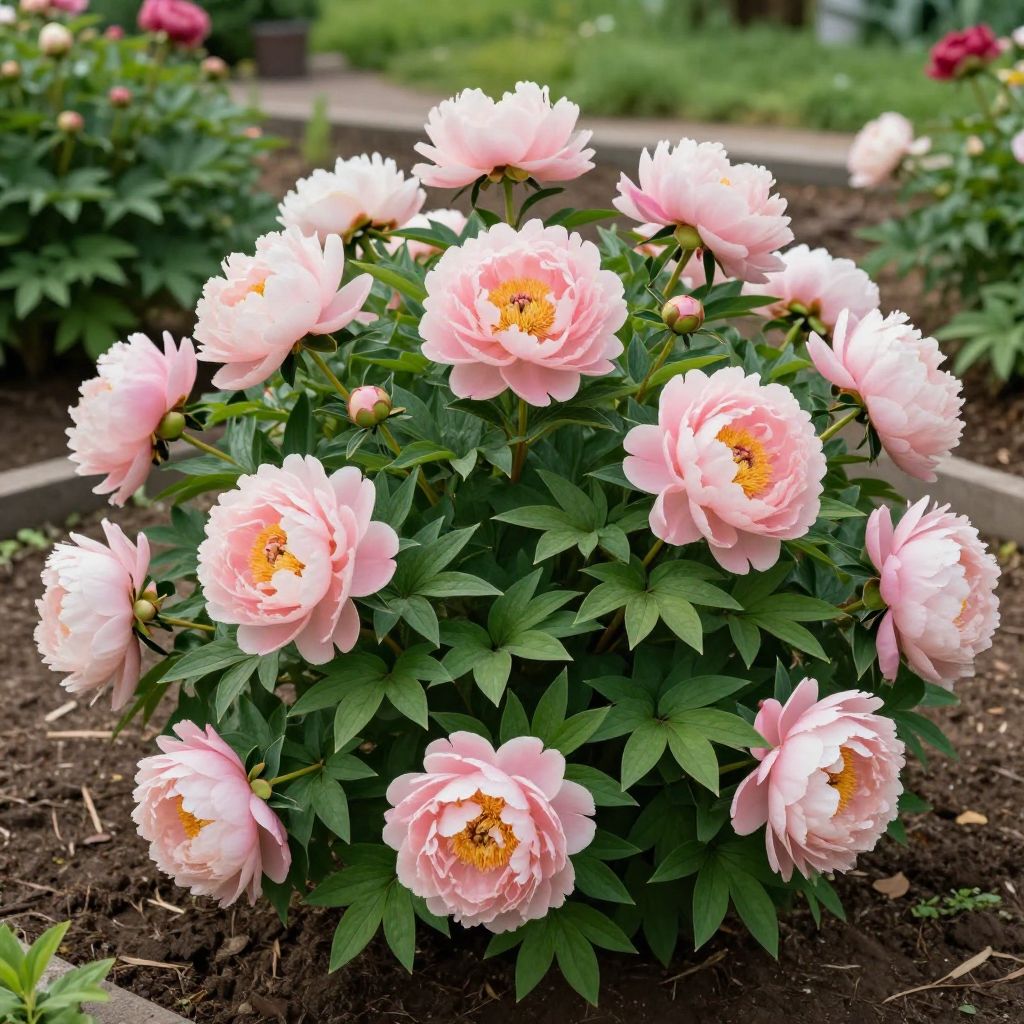
Wondering when do peonies bloom in your garden? The short answer is that most peonies flower in late spring to early summer, but the exact timing depends on the type of peony, your climate, and how established the plant is.
Once you know what kind you’re growing, you can predict bloom season more accurately and help the plant flower well with the right light, soil, and care.
When do peonies bloom?
Most garden peonies bloom in spring, typically from late April through June in many temperate climates. Herbaceous peonies usually bloom first, tree peonies can bloom a bit earlier or later depending on weather, and intersectional peonies often flower in the middle of the peony season.
What affects peony bloom time?
Peonies do not bloom on a fixed calendar date. Weather, plant age, sun exposure, and variety all influence when flowers open.
1. Peony type
- Herbaceous peonies die back in winter and usually bloom in late spring.
- Tree peonies bloom on woody stems and may flower slightly earlier in some gardens.
- Intersectional (Itoh) peonies are hybrids that often bloom after herbaceous peonies begin, extending the season.
2. Climate and local weather
Cool springs often delay bloom, while warm springs can bring flowers earlier. A late frost may also slow buds or damage opening blooms, especially on exposed plants.
3. Plant maturity
Young peonies may need time to settle in before blooming well. Newly planted divisions often focus on root growth first, so it is normal for them to produce few or no flowers for a year or two.
4. Sunlight
Peonies bloom best in full sun, which generally means at least 6 hours of direct light a day. In hotter regions, light afternoon shade can help prevent stress, but too much shade often leads to weak stems and fewer flowers.
Typical peony bloom season by region
Bloom timing shifts with latitude and local temperatures, so use these ranges as a guide rather than a rule.
- Warm climates: blooms may begin in late March or April.
- Temperate gardens: bloom often falls in May.
- Cooler climates: flowering may not start until late May or June.
If you garden in an area with a short spring, peonies may bloom quickly and all at once. In milder spring weather, flowers can last a little longer, especially if temperatures stay cool.
How to encourage better peony blooms
Healthy peonies bloom more reliably when their basic growing conditions are right. If your plant is leafy but not flowering, check the site first.
Plant in the right spot
- Choose a sunny location with good air circulation.
- Avoid planting too close to trees or shrubs that compete for light and moisture.
- Give plants room so stems can grow upright and dry quickly after rain.
Use well-drained soil
Peonies dislike soggy roots. They grow best in fertile, well-drained soil improved with compost, but not in heavy, waterlogged ground. If your soil stays wet, consider raised beds or amending the planting area to improve drainage.
Plant at the correct depth
This is one of the most common reasons peonies fail to bloom. The eyes, or growing buds, should be planted shallowly, usually just 1 to 2 inches below the soil surface in many gardens. If planted too deep, peonies may grow leaves but few or no flowers.
Water wisely
Water new plants regularly while they establish, especially during dry spells. Mature peonies are fairly tolerant once rooted, but they still perform best with consistent moisture during active spring growth. Avoid frequent shallow watering that keeps the topsoil damp but leaves deeper roots dry.
Feed lightly
Too much nitrogen can produce lush foliage at the expense of flowers. If you fertilize, use a balanced approach based on your soil conditions and avoid overfeeding. Compost top-dressing in spring is often enough for many home gardens.
Why peonies sometimes do not bloom
If your peony is not flowering, the problem is often cultural rather than genetic. A few common issues are easy to check and correct.
- Too much shade: move or thin nearby plants if possible.
- Planting too deep: this is a frequent cause of leafy, nonflowering peonies.
- Recent transplanting: newly moved peonies may skip blooming while they recover.
- Late frost or weather swings: buds can be damaged or delayed.
- Excess nitrogen: encourages leaves more than flowers.
- Competition from roots: large trees and shrubs can reduce bloom performance.
In some cases, a healthy peony simply needs patience. Established plants often bloom more heavily as they mature, and a well-sited clump can flower for many years.
How long peony blooms last
Individual peony flowers do not last forever, but a plant can stay in bloom for a useful stretch if conditions are cool. A single flower may last several days, while the whole plant can bloom for about one to two weeks depending on weather and variety.
If you grow several peony types with different bloom times, you can extend the season across more than a month. Early, midseason, and late varieties are especially helpful in a mixed border.
Practical care before and after bloom
Before flowering
- Check that the plant gets plenty of sun.
- Remove weeds that compete for water and nutrients.
- Support heavy stems if your variety tends to flop.
- Watch for buds that may be damaged by pests or storms.
After flowering
- Deadhead spent blooms to keep the plant tidy.
- Leave the foliage in place until it yellows naturally.
- Do not cut the leaves back too early, because they feed next year’s flowers.
- Clean up fallen petals and debris to reduce disease problems.
Common pests and diseases that affect bloom quality
Healthy foliage supports better flowering, so it helps to keep an eye out for problems during spring growth.
Botrytis blight
This fungal disease can cause buds to turn brown or fail to open, especially in cool, wet weather. Improve airflow, remove affected material promptly, and avoid overhead watering when possible.
Ants on buds
Ants are often seen on peony buds, but they are usually not harming the plant. They are attracted to the sugary nectar on the buds and are not typically a problem.
Stem flopping
Large double flowers can be heavy. Use a peony ring, cage, or discreet stakes early in the season so stems do not bend or break as buds enlarge.
Can you cut peonies for bouquets?
Yes, peonies are excellent cut flowers. Harvest them when buds feel soft and marshmallow-like but are not fully open if you want longer vase life. If you cut too early, buds may not open well indoors; if you cut too late, the blooms may not last as long.
Use clean, sharp pruners and cut stems in the cool part of the day. Remove any leaves that would sit below the waterline in the vase.
Simple checklist for better peony bloom timing
- Plant in full sun or very light afternoon shade in hot climates.
- Keep roots in well-drained soil.
- Set the crown at the correct depth.
- Water during dry spells, especially for young plants.
- Avoid heavy nitrogen feeding.
- Be patient with newly planted peonies.
- Protect buds from late frost and fungal disease when possible.
Conclusion
So, when do peonies bloom? In most gardens, expect flowers in late spring, with timing shaped by your climate, the peony type, and how well the plant is growing. If your peony is not blooming, start by checking sun, planting depth, and drainage. For more seasonal flower advice, you may also want to read about how to grow peonies successfully and choosing the best flowering perennials for spring gardens.