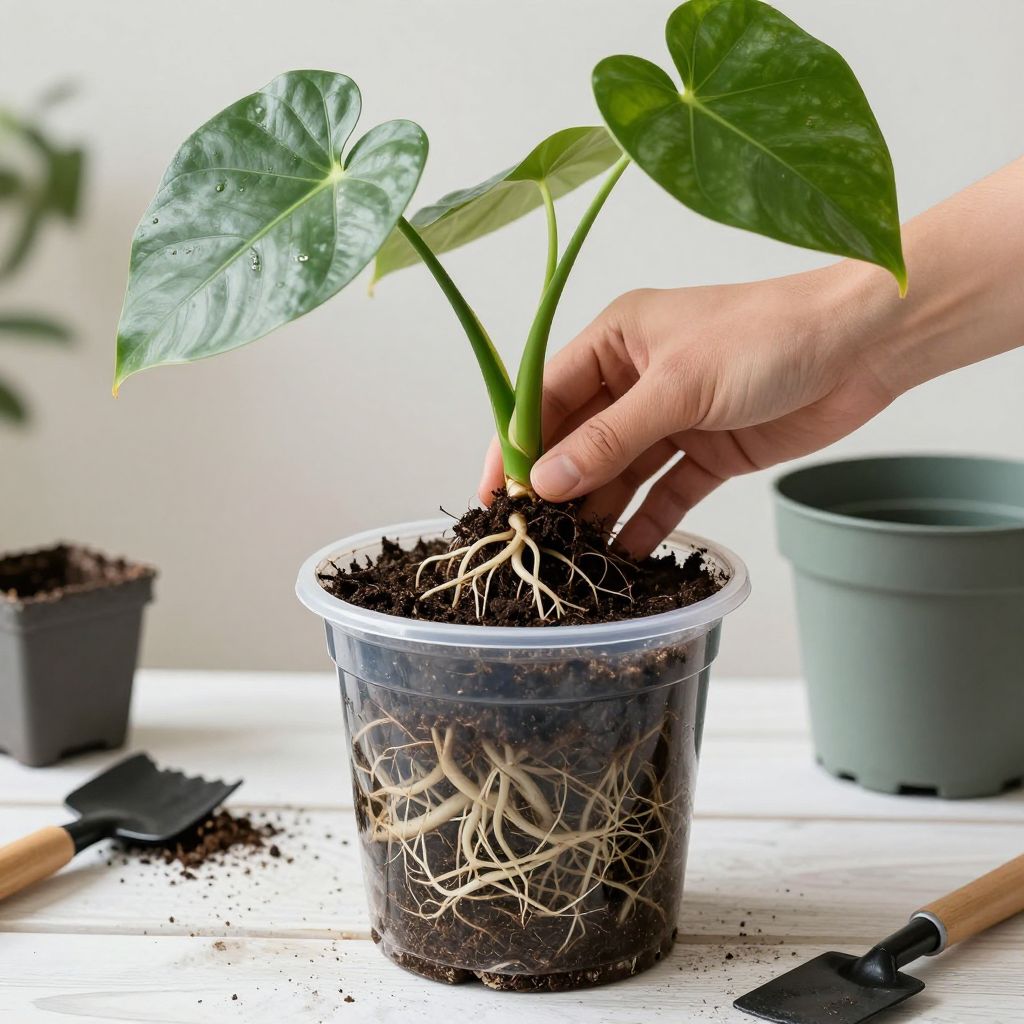
Do philodendrons like to be root bound? In many cases, yes—at least a little. Philodendrons often tolerate snug pots better than overly roomy ones, and a slightly crowded root ball can even help them focus on leafy growth instead of wasting energy filling extra soil.
That said, there is a big difference between slightly root bound and severely pot bound. If the roots are circling tightly, the plant dries out too fast, or growth has stalled, it is time to repot and refresh the soil.
Do philodendrons like to be root bound?
Philodendrons usually do best when they are a little snug in their pots, but not packed solid with roots. A mildly root-bound plant can stay stable, grow well, and avoid excess wet soil. Once roots fill the container completely, though, the plant becomes stressed, dries out quickly, and needs repotting.
How to tell if your philodendron is root bound
A philodendron does not need to be repotted just because it has been in the same pot for a while. Look for clear signs that the roots have outgrown the container.
Common signs
- Roots growing out of the drainage holes
- Water running straight through the pot instead of soaking in
- Soil drying much faster than usual
- Slower growth during the active growing season
- Leaves looking smaller than normal
- The plant lifting up or becoming top-heavy in the pot
- A dense root mass visible when you slide the plant out
One sign by itself may not mean the plant is root bound. For example, fast drying can also happen in very warm rooms, bright light, or porous pots like terracotta.
What a healthy root situation looks like
A healthy philodendron root system should fill the pot without becoming a tight, woody mat. You want roots that are active and white to tan, with enough room to absorb water and nutrients, but not so much soil that it stays wet for too long.
Why a slightly tight pot can help philodendrons
Philodendrons are tropical foliage plants that often grow as climbers or trailers. In a pot that is only a little snug, they usually settle in well and put energy into new leaves and stems instead of rapidly expanding roots into extra soil.
There are a few practical benefits to keeping them modestly root bound:
- More stable moisture levels than in an oversized pot
- Less risk of soggy soil and root rot
- Better support for upright or climbing growth
- Less frequent repotting
But “slightly snug” is the key phrase. Philodendrons do not like being neglected in a pot that has become too cramped for too long.
When root bound becomes a problem
Once roots have taken over the pot, the plant starts to struggle. The biggest issue is that there is very little soil left to hold moisture and nutrients, so the root ball can dry out too quickly and become difficult to water evenly.
Problems caused by severe crowding
- Wilting soon after watering
- Leaf yellowing from stress or uneven moisture
- Stunted new growth
- Roots pushing the plant upward
- Salt buildup in old potting mix
- Higher risk of root damage during watering
If the plant is root bound for too long, the roots can become tangled and stressed. That can reduce vigor and make the philodendron more vulnerable to pests and disease.
When to repot a philodendron
Repot when the plant is clearly outgrowing its container, not on a fixed calendar alone. Many philodendrons need repotting every 1 to 2 years, but the timing depends on growth rate, pot size, light, temperature, and whether the plant is actively growing.
Repotting is usually easiest during active growth, when the plant can recover faster. If your philodendron is healthy but only slightly snug, you can often wait until you see stronger signs of crowding.
Repot sooner if you notice
- Roots escaping from drainage holes
- The pot becoming hard to water evenly
- Repeated wilting despite proper care
- Soil breaking down into a compact, sour-smelling mix
- The plant tipping over because the root ball is too dense for the pot
How to repot a root-bound philodendron
When it is time to move up a pot, choose a container only one size larger. A pot that is too large can hold excess moisture and increase the risk of root rot.
Step-by-step repotting
- Water the plant lightly a day before repotting if the soil is very dry.
- Choose a pot with drainage holes that is about 1 to 2 inches wider than the current one for smaller plants, or up to 2 to 4 inches wider for larger specimens.
- Use a fresh, airy potting mix that drains well.
- Gently remove the plant from the pot and loosen circling roots with your fingers.
- If roots are tightly matted, make a few shallow vertical cuts along the outer root ball with clean pruners or a knife.
- Set the plant at the same depth it was growing before.
- Fill in with fresh mix and water thoroughly to settle the soil.
Do not bury the stem deeper than before. Philodendrons can rot if the crown sits too low in wet soil.
Best potting mix
Philodendrons prefer a loose, chunky mix that holds some moisture but drains well. A quality indoor potting mix amended with orchid bark, perlite, or pumice is often a good choice.
- Potting soil provides moisture retention
- Bark improves air flow around roots
- Perlite or pumice helps drainage
If your philodendron has struggled in dense, peat-heavy soil, switching to a more open mix can make a noticeable difference.
How to care for a philodendron that is slightly root bound
If your plant is only a little snug, you do not need to rush into repotting. Good care can keep it healthy until it is truly ready for a larger container.
Watering
Root-bound philodendrons often dry out faster than plants in larger pots. Check the soil with your finger and water when the top 1 to 2 inches feel dry, or a bit deeper for larger pots and thicker mixes.
Water thoroughly until excess runs from the drainage holes, then empty any saucer. Avoid frequent small sips, which can leave the upper soil damp while the root ball stays dry.
Light
Most philodendrons grow best in bright, indirect light. Too little light can slow growth and make a root-bound plant look even weaker, while harsh direct sun can scorch leaves and dry the pot too quickly.
If the plant is in a very bright spot, monitor moisture more often. If it is in lower light, be careful not to overwater just because the soil stays wet longer.
Fertilizer
Use fertilizer lightly and only during active growth, following the product label. A root-bound plant does not need heavy feeding, and too much fertilizer can build up in a small amount of soil.
If you see white crust on the soil surface or pot rim, flush the pot with clean water to help remove excess salts.
Pruning and training to reduce stress
Philodendrons often respond well to pruning, especially climbing types that become long and leggy. Trimming can help balance top growth with the limited root space available in a snug pot.
Useful pruning tips
- Remove yellow, damaged, or weak leaves
- Trim overly long vines to encourage fuller growth
- Cut just above a node if you want to propagate the stem
- Use clean, sharp pruners to avoid tearing stems
If your philodendron is climbing, a moss pole or support can help it grow more naturally without adding unnecessary stress to the root system.
Common mistakes to avoid
Many philodendron problems come from trying to “help” the plant too much. A few simple mistakes can turn a manageable root-bound situation into a decline.
- Repotting into a much larger pot than needed
- Using heavy, water-retentive soil with poor drainage
- Leaving the plant in a decorative pot without drainage holes
- Overwatering a plant that is already stressed
- Forcing roots apart too aggressively during repotting
- Ignoring pests that often target weakened plants
If you are unsure, it is usually safer to move up just one pot size rather than jumping to a large container.
Pests and diseases to watch for
Root-bound philodendrons are not automatically diseased, but stressed plants are easier targets for pests and root problems. Check the leaves, stems, and soil whenever growth seems off.
Common issues
- Spider mites in dry indoor air
- Mealybugs in leaf joints and stems
- Scale insects on stems and undersides of leaves
- Root rot from chronically wet soil
If the plant smells sour, the roots are brown and mushy, or leaves yellow rapidly after watering, check for root rot rather than assuming the plant just needs a bigger pot.
Indoor vs. outdoor philodendrons
Most home gardeners grow philodendrons indoors, but in warm climates some are used outdoors in shaded, frost-free settings. The root-bound question still applies in both cases, but outdoor plants may dry out or grow faster depending on heat, rain, and light.
Indoor plants usually stay in pots longer and need closer monitoring. Outdoor container plants may need repotting sooner if warm weather and bright light push rapid growth.
Adapt care to your conditions
- In warm, bright homes, check moisture more often
- In cooler or lower-light spaces, let soil dry a bit more between waterings
- In outdoor containers, protect from heavy rain and intense afternoon sun
Propagating when you repot
Repotting is a good time to take stem cuttings if your philodendron has become long or crowded. This is especially useful for trailing types that can be cut back to encourage a fuller shape.
Take cuttings with at least one node, then root them in water, moist mix, or another suitable propagation medium. Once rooted, you can replant them into the same pot to make the plant look fuller.
Quick answer: should you let a philodendron stay root bound?
Yes, a philodendron can stay slightly root bound for a while, and many do fine that way. But if the pot is packed with roots, the soil dries too fast, or growth stalls, it is time to repot into a slightly larger container with fresh, airy mix.
If you want to compare care habits with other houseplants, you may also find it helpful to read about whether pothos like to be root bound and whether monsteras like to be root bound.