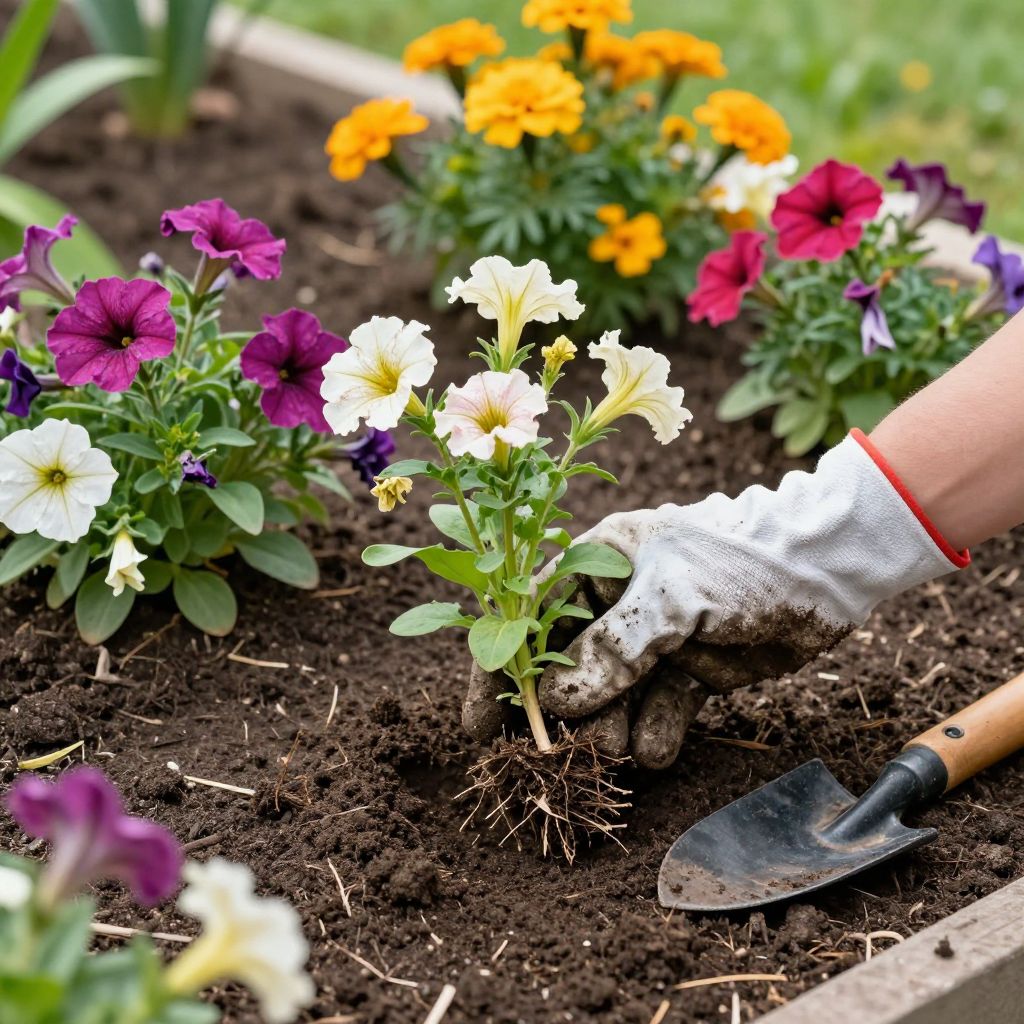
Do annuals come back every year? Usually, no. Annuals are plants that complete their life cycle in one growing season, then die after flowering and setting seed. If they seem to “return,” it is often because they self-seed, volunteer in the garden, or were actually a short-lived perennial in a mild climate.
The good news is that you can still enjoy annuals for a long season with the right planting, watering, deadheading, and site selection. Understanding the difference between annuals, biennials, and perennials helps you choose plants that fit your climate and avoid disappointment at cleanup time.
Do annuals come back every year?
No, true annuals do not come back every year because they grow from seed, flower, produce seed, and die within one season. If the plant returns, it is usually from self-sown seed, a surviving root in a very mild climate, or a plant that was mislabeled and is actually a perennial or biennial.
What makes a plant an annual?
Annuals are plants that complete their full life cycle in one year or less. They germinate, grow, bloom, set seed, and finish their life cycle in a single season.
Annuals vs. perennials vs. biennials
- Annuals: one season, then they die.
- Biennials: grow leaves the first year, flower the second year, then die.
- Perennials: live for multiple years and usually return from roots, crowns, or bulbs.
This difference matters when you plan a bed, container, or border. If you want a plant to reappear each spring, choose a perennial, bulb, shrub, or self-seeding annual that is known to reseed reliably in your area.
Why some annuals seem to come back
Sometimes a plant looks like it returned, but the plant you see is not the original one. The most common reasons are self-seeding, mild winters, or a mistaken plant label.
Self-seeding annuals
Some annuals drop seed that germinates on its own the following season. These are often called “volunteers.”
- Cosmos
- Calendula
- Cleome
- Nigella
- Sweet alyssum in some climates
These plants may reappear in the same area if seed survives winter and conditions are favorable. Even then, the seedlings may not come up exactly where you want them.
Mild-climate survival
In warm regions, a tender annual may survive longer than expected, especially if winters are frost-free or very light. That does not make it a true perennial, but it can stretch the plant’s life beyond one season.
Misidentified plants
Garden centers sometimes sell plants that are commonly grown as annuals in colder climates but are actually perennials in warmer zones. If a plant keeps returning, check its botanical name and local hardiness information.
How to tell if your annual will survive another year
Most annuals will not survive a cold winter outdoors, but a few clues can help you judge whether a plant might reseed or overwinter.
- Check the plant type: Look up whether it is truly annual, biennial, or perennial.
- Watch for seed pods: If the plant sets seed easily, it may self-sow.
- Notice your climate: Frost, snow, and freezing soil usually kill annuals.
- Inspect the roots and stems: Soft, frost-tender growth is less likely to survive winter.
- Observe nearby volunteers: If seedlings appear in spring, the plant may be reseeding itself.
Can you make annuals last longer?
You cannot turn most annuals into true perennials, but you can extend their display and sometimes keep them going longer than expected. The goal is to reduce stress so the plant keeps blooming instead of declining early.
Give annuals the right growing conditions
- Sunlight: Match the plant to full sun, part sun, or shade as needed.
- Soil drainage: Most annuals hate soggy roots.
- Moderate fertility: Rich soil supports growth, but too much nitrogen can cause leafy plants with fewer flowers.
- Air circulation: Good spacing helps prevent fungal disease.
Annuals perform best when they are planted in soil that drains well and is improved with compost. If your soil stays wet after rain, consider raised beds, containers with drainage holes, or a different planting site.
Water correctly
Newly planted annuals need consistent moisture until established. After that, water deeply when the top inch or two of soil begins to dry, adjusting for heat, wind, rainfall, and container size.
Container annuals dry out faster than plants in the ground, especially in sun and wind. Check pots often in hot weather, because a stressed annual may stop blooming or decline quickly.
Deadhead spent flowers
Removing faded blooms encourages many annuals to keep producing flowers instead of putting energy into seed. Pinch or snip just above a leaf set or side shoot.
Some annuals, such as marigolds and zinnias, often flower longer when deadheaded regularly. Others, like impatiens, may clean themselves somewhat, but still benefit from removing damaged growth.
Pinch young plants for bushier growth
Pinching the growing tips of some annuals when they are young can create a fuller plant with more stems and flowers. Do this only on plants that respond well to pinching, and avoid it if the plant is already stressed or slow to establish.
Should you overwinter annuals indoors?
Some tender annuals can be brought indoors or into a greenhouse to survive winter, but this is not practical for every plant. It works best for plants that tolerate containers and can handle indoor light levels.
Good candidates for overwintering
- Geraniums grown as annuals in cold climates
- Begonias in suitable conditions
- Some coleus
- Fuchsias in frost-prone regions
These plants are often treated as annuals outdoors, but they may live for years if protected from frost. Indoor overwintering usually requires bright light, careful watering, and cooler indoor temperatures than a typical living room.
Common overwintering mistakes
- Bringing in pest-infested plants without inspection
- Overwatering in low light
- Expecting strong flowering indoors all winter
- Moving plants from full sun outdoors to very dark indoor spaces without adjustment
If you try overwintering, inspect leaves and stems for aphids, spider mites, whiteflies, or mildew before bringing plants inside. Trim back weak growth and water only when the potting mix starts to dry.
How to encourage self-seeding annuals
If you want certain annuals to return on their own, let some flowers go to seed and avoid overcleaning the bed in fall. Self-seeders are not guaranteed, but you can improve your chances.
Helpful steps for reseeding
- Leave a few healthy flowers on the plant late in the season.
- Allow seed heads to mature fully.
- Do not mulch too heavily over the area if seedlings need to emerge.
- Mark the spot so you do not disturb seedlings in spring.
- Thin crowded seedlings gently once they sprout.
Be selective. Some annuals reseed so freely that they can become crowded or weedy in a bed. If you do not want volunteers, deadhead before seeds ripen and remove spent plants before they drop seed.
Common problems that shorten the life of annuals
Annuals often fail early because of stress, disease, or poor site conditions rather than age alone. Catching problems early can keep the display going longer.
Heat and drought stress
Many annuals slow down in extreme heat, especially if roots dry out. Wilting, scorched edges, and fewer blooms are common signs.
Mulch lightly around in-ground plants to conserve moisture, but keep mulch a little away from stems. In containers, move pots out of harsh afternoon sun if the plant is clearly fading.
Root rot from poor drainage
Yellowing leaves, limp stems, and a plant that collapses despite wet soil can signal root rot. Annuals in heavy clay or waterlogged pots are especially vulnerable.
To fix this, improve drainage, reduce watering, and replant in a better site if possible. For containers, always use pots with drainage holes and a well-draining potting mix.
Fungal diseases
Powdery mildew, botrytis, and leaf spots can shorten the life of annuals, especially in crowded beds or humid weather. Remove infected leaves when practical and avoid wetting foliage late in the day.
Pests
Aphids, spider mites, caterpillars, and whiteflies can weaken annuals quickly. Check the undersides of leaves and new growth regularly.
- Rinse soft-bodied pests off with a strong spray of water.
- Remove badly infested stems or flowers.
- Encourage airflow by spacing plants properly.
- Keep weeds down, since they can harbor pests.
Best ways to use annuals in the garden
Annuals are valuable because they bloom fast and fill gaps while perennials establish. They are especially useful in containers, seasonal borders, and spots where you want color from spring to frost.
Where annuals shine
- Window boxes and patio containers
- Seasonal edging along paths
- Filling bare spots in new beds
- Adding pollinator-friendly color
- Replacing early spring bulbs after they fade
Because annuals are temporary, plan them as part of a larger design. Mix them with shrubs, perennials, or bulbs so the garden still has structure after the annuals finish.
What to do at the end of the season
When frost or seasonal decline arrives, most annuals should be removed and composted if they are healthy. If they were diseased, discard them according to local garden waste guidance instead of composting them.
End-of-season checklist
- Collect seed from annuals you want to grow again.
- Remove dead or diseased plants.
- Lightly amend beds with compost if needed.
- Leave room for cool-season planting or spring prep.
- Note which varieties performed well in your climate.
Saving notes is one of the best habits a gardener can build. It helps you remember which annuals handled your sun, shade, heat, and rainfall conditions best.
Conclusion: plan annuals for one season, and you will enjoy them more
So, do annuals come back every year? True annuals do not, but some reseed, survive longer in mild climates, or return only because they were mislabeled. Choose the right plant for your climate, give it good soil and drainage, and deadhead or save seed based on whether you want volunteers next year.
If you want more reliable repeat performance, pair annuals with perennials and bulbs so your garden has both quick color and lasting structure. For more seasonal planning ideas, you may also want to read about how to choose flowers for full sun and how to prepare garden soil with compost.