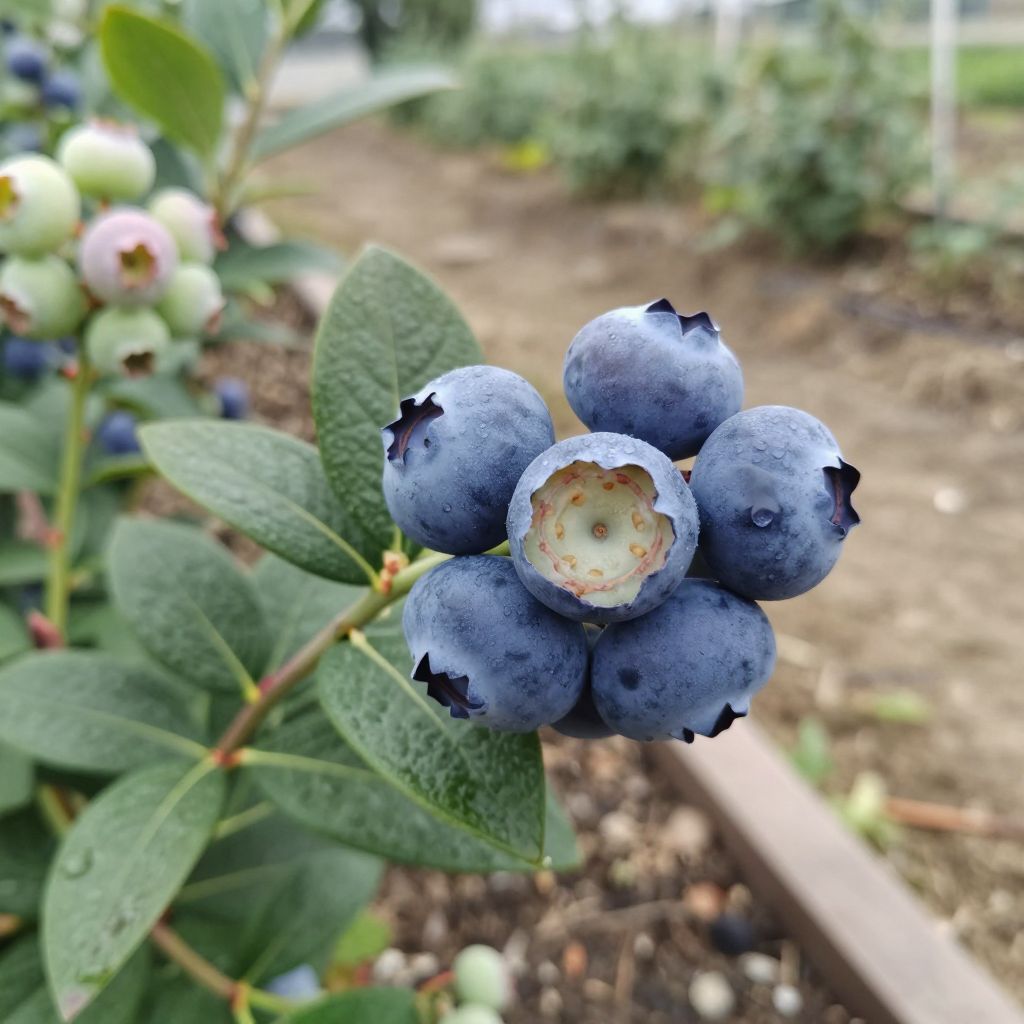
Do blueberries have seeds? Yes, blueberries do have seeds, but they are tiny, soft, and usually unnoticed when you eat the fruit. For most gardeners, that means blueberries are easy to enjoy fresh, freeze well, and are simple to grow if you give them the right soil and moisture.
If you are wondering whether those seeds affect planting, flavor, or harvest, the short answer is that blueberry seeds are normal and not a problem. What matters more is growing healthy blueberry bushes in acidic, well-drained soil with steady moisture and enough sun.
Do blueberries have seeds?
Blueberries do have seeds, usually many very small ones inside each berry. They are edible, soft, and barely noticeable, which is why blueberries are often described as “seedless-feeling” even though they are not truly seedless fruits.
What blueberry seeds are like
Blueberry seeds are tiny compared with the seeds in many other fruits. In most varieties, they are dispersed throughout the flesh rather than concentrated in one hard pit, so the texture stays smooth.
Why you usually do not notice them
- The seeds are very small and soft.
- They are surrounded by juicy flesh.
- Most people eat blueberries whole, so the seeds blend into the texture.
Some blueberries have a slightly more noticeable seed texture than others, especially if the berries are small, underripe, or grown under stress. Even then, the seeds are still edible and normal.
Can you grow blueberries from seed?
Yes, you can grow blueberries from seed, but it is usually a slow and less predictable method than planting nursery-grown bushes. Seed-grown plants may take years to mature, and the fruit quality can vary from the parent plant.
When seed propagation makes sense
- You want to experiment with growing from fruit you already have.
- You are patient and do not need quick harvests.
- You enjoy starting plants as a hobby, not just for production.
For most home gardeners, buying a healthy blueberry plant is the easier path. If you want reliable fruit, a named variety from a nursery is usually the better choice than starting from seed.
Basic seed-starting steps
- Choose ripe blueberries and remove the seeds from the pulp.
- Rinse the seeds gently to clean off fruit residue.
- Sow them in a fine, moist seed-starting mix.
- Keep the mix evenly moist, not soggy.
- Give them bright light and warm conditions appropriate for seed starting.
Blueberry seeds can be slow to germinate, so do not expect quick results. If you try this indoors, be patient and keep conditions stable rather than overwatering or moving the tray around too much.
Growing blueberries well: the conditions that matter most
Seed questions matter less than plant care when it comes to blueberries. These shrubs perform best in acidic soil, consistent moisture, and full sun, with good drainage to protect the roots.
Soil requirements
- Acidic soil: Blueberries prefer a low pH, often around 4.5 to 5.5.
- Organic matter: Leaf mold, pine bark, and peat-based mixes can help improve structure.
- Drainage: Roots should never sit in waterlogged soil.
If your garden soil is naturally alkaline or heavy clay, blueberries may struggle unless you amend the site or grow them in containers. A soil test is the best starting point before planting.
Sunlight
Blueberries usually need full sun for the best flowering and fruiting. In hotter climates, some afternoon shade can reduce stress, but too much shade often leads to weak growth and fewer berries.
Watering
Blueberries like steady moisture, especially while establishing and during fruit development. The goal is evenly moist soil, not a constantly wet root zone.
- Water deeply when the top layer of soil begins to dry.
- Use mulch to slow evaporation.
- Avoid letting containers dry out completely.
Because climate and soil type vary, check the soil with your finger before watering. Sandy soil dries faster than clay, and potted blueberries need more frequent monitoring than in-ground plants.
Planting blueberries for healthy growth
Whether you are planting a young shrub or moving a container-grown plant into the ground, the planting site should support acidic, loose, well-drained soil. Good planting prep makes a big difference in long-term health.
Before you plant
- Choose a site with good sun exposure.
- Test soil pH if possible.
- Improve drainage if the area stays wet after rain.
- Remove weeds that can compete for moisture and nutrients.
Container growing option
Containers are often the easiest way to grow blueberries if your native soil is not acidic enough. Use a pot with drainage holes and a mix designed to stay moist but airy.
Container plants dry out faster than garden beds, so they need closer attention. They also benefit from mulch on top of the potting mix to reduce moisture loss.
Pruning and maintenance
Blueberries do not need complicated pruning, but they do benefit from regular maintenance. Light, thoughtful pruning helps airflow, supports new growth, and keeps the shrub productive.
What to remove
- Dead, damaged, or diseased canes
- Weak, low, or crowded stems
- Old branches that are no longer productive
Use clean, sharp pruners and make cuts with care. Overpruning can reduce the next season’s crop, so aim for moderation rather than shaping the plant too aggressively.
Common problems that affect fruit quality
If your blueberries seem seedy, dry, or disappointing, the issue is often growing conditions rather than the seeds themselves. Stress from poor soil, drought, or low sunlight can affect berry size and texture.
Small or tough berries
This can happen when plants are under-watered, underfed, or growing in soil that is too alkaline. Blueberries need the right pH to absorb nutrients properly.
Poor fruit set
Some blueberry varieties produce better with cross-pollination from another compatible variety. If you get blossoms but little fruit, pollination may be part of the problem.
Bird damage
Birds love ripe blueberries. Netting can protect the crop once fruit begins to color, but make sure it is secured well so wildlife does not get tangled.
Diseases and pests
- Watch for leaf spots, cane dieback, and root problems in poorly drained soil.
- Check for aphids, scale, and other sap-feeding insects on new growth.
- Remove fallen fruit and debris to reduce pest and disease pressure.
Good sanitation, proper spacing, and airflow are simple ways to prevent many blueberry problems before they start.
Harvesting blueberries at the right time
Blueberries should be picked when they are fully blue and come off the stem easily. Color alone is not always enough, because some berries turn blue before they are fully ripe.
How to tell when they are ready
- The berry is deep blue all over.
- The skin looks matte, not shiny.
- The fruit releases with a gentle tug.
- The flavor is sweet rather than tart or grassy.
Harvest in stages, since berries on the same cluster may ripen at different times. Pick gently to avoid bruising the fruit and damaging nearby unripe berries.
Should you worry about blueberry seeds?
Usually, no. The seeds are a normal part of the fruit and are not a sign of poor quality. If anything, the bigger gardening concern is whether the plant is growing in the right conditions to produce plump, flavorful berries.
If you are eating blueberries, the seeds are harmless and barely noticeable. If you are growing them, focus on soil acidity, moisture, sunlight, and pruning instead of the seeds inside the fruit.
Simple care checklist for better blueberries
- Grow in acidic, well-drained soil.
- Keep the root zone evenly moist.
- Mulch to conserve moisture and suppress weeds.
- Give plants full sun where possible.
- Prune lightly to remove weak or dead wood.
- Protect ripening fruit from birds.
- Use container culture if your native soil is unsuitable.
If you want to keep learning about berry care, it is worth reading more about soil pH, container growing, and pruning small fruit shrubs so your blueberries stay healthy and productive for years.