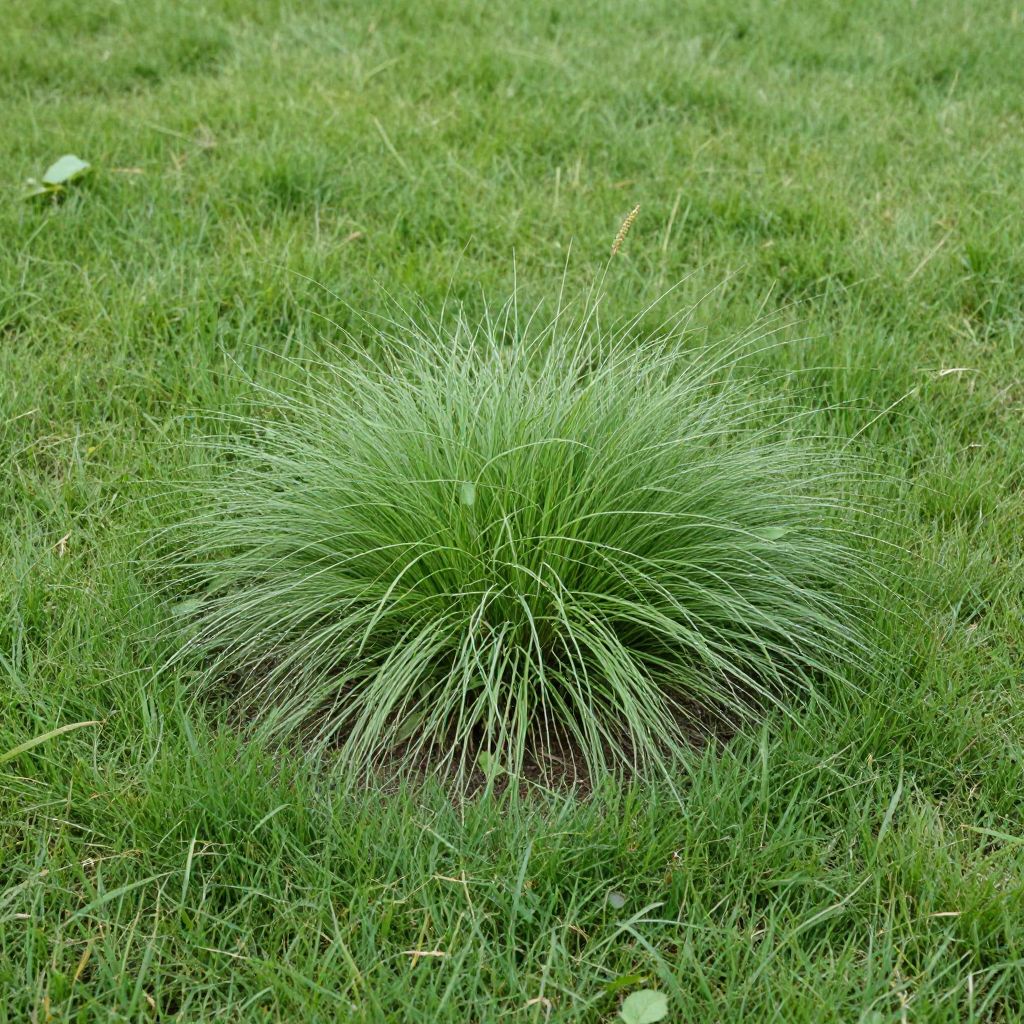
Wondering what does crabgrass look like in your lawn or garden bed? You’re not alone—this common summer weed often blends in with turf until it starts spreading fast and stealing space, water, and nutrients from desirable plants.
The good news is that crabgrass has a few reliable visual clues. Once you know what to look for, you can spot it early, remove it more easily, and reduce the chance of it returning next season.
What does crabgrass look like?
Crabgrass is a low-growing annual grass with wide, flat blades, a coarse texture, and a spreading habit that forms a star- or crab-like shape from a central crown. It often grows flatter than lawn grass, roots at the nodes, and produces finger-like seedheads that help confirm the identification.
Key visual features of crabgrass
Leaf shape and texture
Crabgrass leaves are usually broader and rougher than many common lawn grasses. They can look light green to yellow-green, especially in hot, dry weather, and the blades often feel coarse when you run your fingers along them.
Look closely at the leaf blades and you may notice they are flatter and wider than you expect. In many lawns, that broader leaf shape is the first clue that the plant is not your turfgrass.
Growth habit
One of the easiest ways to identify crabgrass is by its growth pattern. Instead of growing upright in a neat clump, it creeps outward from a center point and can spread along the soil surface, especially in thin or stressed lawn areas.
As stems spread, they may root where they touch the ground. This makes crabgrass look like it is “branching” outward in a low, messy mat rather than growing as a tidy bunch.
Stems and center crown
Crabgrass usually has a flattened, radiating form with stems that spread from a central crown. Younger plants may stay small at first, but as they mature, the plant becomes more obvious and can cover a surprising amount of ground.
If you gently pull on a plant and it seems to come from one main point with several spreading stems, that is another strong sign you are dealing with crabgrass.
Seedheads
In summer, mature crabgrass produces distinctive seedheads that look like several narrow fingers or spikes radiating from the top of the stem. These finger-like seedheads are one of the most recognizable features of the plant.
If you see a low, spreading grass with finger-like seedheads, treat it as crabgrass until proven otherwise.
How to tell crabgrass apart from lawn grass
Many gardeners confuse crabgrass with healthy turf, especially when the lawn is thin or stressed. A close look at the plant’s shape, color, and growth pattern usually makes the difference clear.
- Crabgrass: low, sprawling, coarse, and often lighter green
- Turfgrass: more upright, finer-textured, and typically denser
- Crabgrass: forms a star-like center with spreading stems
- Turfgrass: grows in a more uniform mat or bunch, depending on the type
- Crabgrass: often appears first in bare spots, compacted soil, or hot edges
Another clue is location. Crabgrass often shows up in sunny, disturbed areas where the lawn is thin, the soil is compacted, or irrigation is inconsistent.
When crabgrass appears during the season
Crabgrass is a warm-season annual weed, so it usually becomes noticeable as temperatures rise. In many climates, it germinates in spring and grows aggressively through summer, then declines as cooler weather returns.
Because it thrives in heat, it may look weak or absent early in the season, then suddenly appear once the weather warms. That is why many gardeners miss it until it is already spreading.
Common places crabgrass shows up
Crabgrass does best where lawn competition is weak. It is especially common in:
- bare patches in the lawn
- compacted soil near walkways or driveways
- hot, sunny edges of beds and driveways
- thin turf under drought stress
- newly disturbed soil
If you see it in a garden bed, it often starts along the edge and moves inward where mulch is thin or soil has been exposed.
How to confirm it before you remove it
When you are unsure, take a few seconds to inspect the plant from the base upward. A small hand trowel or weeding tool can help you lift a section without breaking it apart.
- Look for a low, spreading shape rather than an upright clump.
- Check whether the stems radiate from one center point.
- Feel the blades for a coarse texture and wider leaf width.
- Look for stems that root at nodes where they touch soil.
- Check for finger-like seedheads on mature plants.
If the plant matches most of these traits, it is very likely crabgrass.
Why crabgrass becomes a problem
Crabgrass is not just an appearance issue. It competes aggressively with turf and ornamentals for moisture, nutrients, and light, and it can quickly fill in open space if left alone.
In lawns, it often signals an underlying issue such as thin turf, poor drainage, compaction, or mowing too short. In other words, the weed is often taking advantage of a lawn problem rather than causing it alone.
How to remove crabgrass once you spot it
The best removal method depends on how much crabgrass you have and how mature it is. Small plants are easiest to control, especially before they set seed.
Hand-pulling
For a few scattered plants, hand-pulling is often the simplest option. Pull after watering or rain, when the soil is slightly moist and roots release more easily.
Try to remove the entire plant, including the rooted nodes. If you leave pieces behind, some plants may recover and continue spreading.
Digging out larger patches
For bigger patches, use a narrow weeding tool or trowel to lift the plant and a small amount of surrounding soil. This is especially helpful if the crabgrass has rooted at several points along the stem.
After removal, refill bare spots with appropriate lawn seed or mulch, depending on whether you are repairing turf or a bed. Bare soil invites more weeds.
Preventing seed spread
If seedheads are present, remove the plant before seeds mature and drop. Bagging the pulled weed is usually safer than composting it, unless your compost system gets hot enough to thoroughly break down weed seed.
How to reduce crabgrass next season
Good prevention matters more than chasing crabgrass after it appears. A healthy, dense lawn is the best long-term defense because it shades the soil and leaves less room for weed germination.
Improve lawn density
Thin turf gives crabgrass room to move in. Overseeding bare areas, mowing at the correct height for your grass type, and avoiding scalping can all help your lawn compete better.
A dense lawn is one of the most effective crabgrass controls you can build over time.
Reduce compaction and improve drainage
Crabgrass often favors compacted ground. If water pools or the soil feels hard and dense, consider core aeration for lawns or loosening compacted bed soil with organic matter and careful cultivation.
Better drainage and healthier soil structure support stronger turf roots, which makes it harder for crabgrass to establish.
Water wisely
Shallow, frequent watering can favor shallow-rooted weeds. In lawns and beds, deeper and less frequent watering is often better for encouraging stronger roots, but always adapt to your soil type, climate, and plant needs.
Let the top layer of soil dry slightly between waterings when appropriate for your grass or landscape plants. Consistent moisture at the surface can encourage weed germination.
Mulch garden beds
In beds and around shrubs, a 2- to 3-inch layer of mulch helps block light from reaching weed seeds and reduces open soil where crabgrass can sprout.
Keep mulch a little away from stems and trunks, and refresh it as it breaks down.
Common mistakes when identifying crabgrass
Several other grasses and grassy weeds can look similar at a glance. Avoid these common errors when you are trying to identify crabgrass:
- assuming any grassy weed is crabgrass without checking the growth habit
- confusing young crabgrass with thin turfgrass in a stressed lawn
- waiting for seedheads before taking action
- pulling only the top growth and leaving rooted nodes behind
- ignoring the lawn conditions that allowed it to spread
If you are unsure, compare the plant to the surrounding turf and check whether it spreads outward from a center point. That habit is often the giveaway.
What to do if crabgrass is already seeding
Once crabgrass has formed seedheads, removal is still worthwhile, but you should be extra careful not to spread seed while working. Pull plants gently and collect all debris.
After cleanup, plan for prevention in the next growing season by improving lawn thickness, correcting thin spots, and monitoring the same trouble areas early in spring.
Quick identification checklist
Use this simple checklist when you are standing in the lawn or garden:
- low, spreading growth habit
- coarse, wider blades
- light green to yellow-green color
- roots forming at nodes along the stem
- finger-like seedheads in mature plants
- common in hot, sunny, thin, or compacted areas
If most of these match, you are probably looking at crabgrass.
Conclusion: spot it early and act fast
Now that you know what does crabgrass look like, you can catch it before it takes over thin turf or garden edges. Focus on the plant’s low, spreading shape, coarse blades, and finger-like seedheads, then remove small patches promptly and improve the conditions that helped it appear.
For more practical lawn and bed care, you may also want to read related gardening guides on improving lawn density and mulching garden beds to suppress weeds.