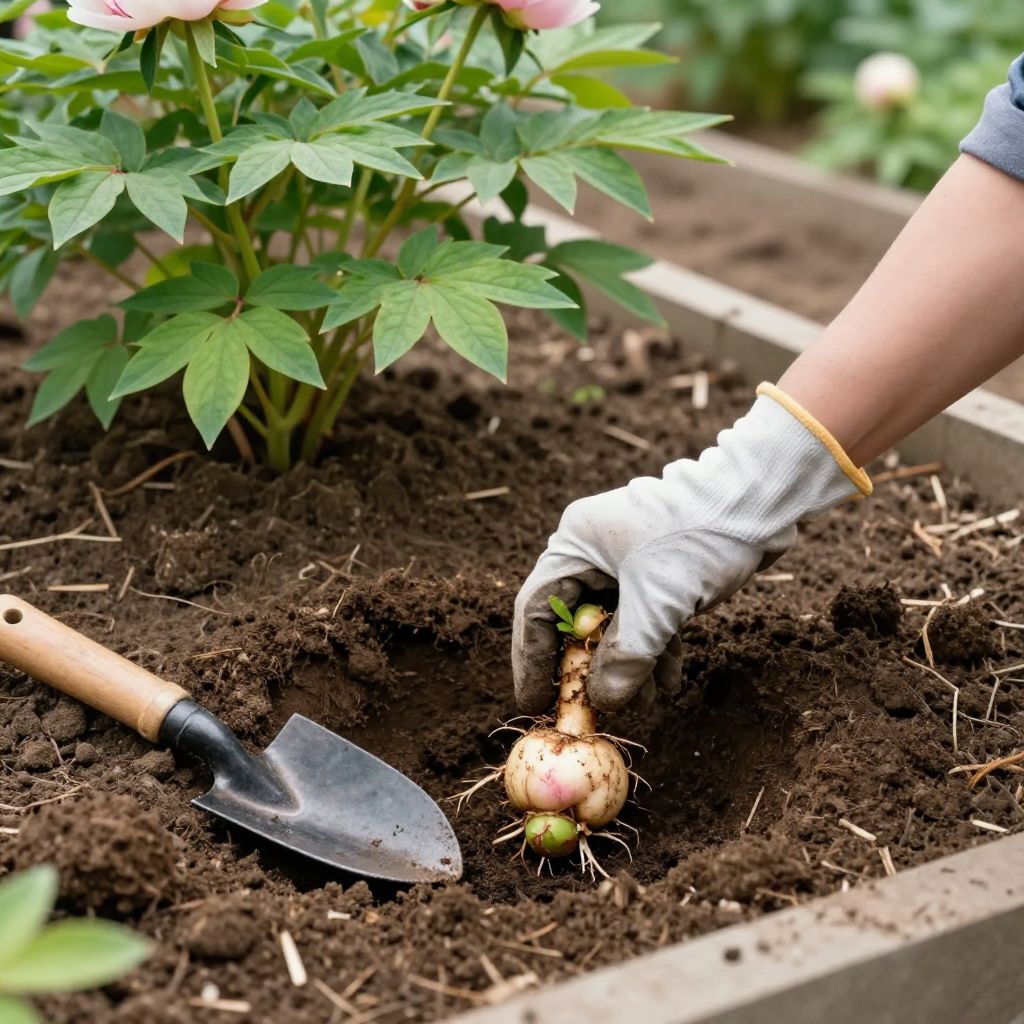
Wondering when to plant peonies so they settle in well and bloom reliably? Timing matters with peonies because they dislike being moved and need a strong root system before they face summer heat or winter cold.
The best planting time is usually in early fall, when temperatures cool but the soil is still workable. Bare-root peonies can also be planted in spring in some climates, but fall planting generally gives them the best start and the strongest first-year root growth.
When to plant peonies?
Plant peonies in early fall, about 6 to 8 weeks before your ground freezes, so roots can establish in cool weather. In mild climates, fall is still ideal; in colder regions, plant as soon as summer heat fades. Spring planting is possible, but fall usually leads to better establishment and fewer setbacks.
Why fall is the best time
Peonies are long-lived perennials that prefer to settle in before active top growth begins. In fall, the plant can focus on root development instead of supporting leaves and stems.
That matters because peonies often sulk the first year after planting. A strong root system helps them recover faster, handle winter, and produce better blooms in future seasons.
What makes fall planting work so well
- The soil is still warm enough for root growth.
- Air temperatures are cooler, which reduces stress.
- Rainfall is often more reliable than in summer.
- The plant has time to settle before spring growth begins.
Can you plant peonies in spring?
Yes, you can plant peonies in spring, especially if that is when the plants are available. Spring planting is more common with potted nursery plants than bare-root divisions. The main drawback is that the plant may face warming weather before roots are fully established.
If you plant in spring, keep the soil evenly moist, mulch lightly, and expect slower top growth the first season. Avoid letting the plant dry out during its first summer.
Spring planting tips
- Plant as soon as the soil can be worked.
- Choose a site with morning sun and good drainage.
- Water deeply after planting.
- Do not overfertilize to “force” growth.
How to plant peonies correctly
Correct planting depth is one of the most important factors for peonies. If planted too deeply, they may grow leaves but refuse to bloom. If planted too shallowly, roots can dry out or heave in winter.
Planting bare-root peonies
- Choose a sunny site with well-drained soil.
- Dig a wide hole and loosen the soil below it.
- Mix in compost if your soil is poor, heavy, or low in organic matter.
- Set the roots so the “eyes” or pink growth buds are no more than 1 to 2 inches below the soil surface.
- Backfill gently, firm the soil, and water well.
Planting potted peonies
- Dig a hole slightly wider than the pot.
- Remove the plant carefully and loosen circling roots if needed.
- Set the crown at the same level it was growing in the pot, or slightly higher if the soil is heavy.
- Water thoroughly after planting.
Do not bury peony crowns too deeply. This is one of the most common reasons peonies fail to bloom after planting.
Best site and soil conditions for peonies
Peonies grow best in full sun, though they can tolerate light afternoon shade in hot climates. They need at least 6 hours of direct sun for strong flowering, and they perform best in soil that drains well and does not stay soggy after rain.
Rich, loamy soil is ideal, but peonies are adaptable if drainage is good. Heavy clay can work if you improve it with compost and plant in a raised bed or slightly elevated site.
Soil preparation checklist
- Drainage: essential
- Organic matter: helpful, especially in poor soil
- pH: slightly acidic to neutral is generally suitable
- Air circulation: important to reduce disease pressure
If your soil stays wet for long periods, choose another site or raise the planting area. Peonies are prone to root problems in waterlogged soil.
How climate affects planting time
Your local climate should guide the exact planting window. The best time to plant peonies is not the same everywhere because frost dates, summer heat, and soil conditions vary widely.
Cool and cold climates
Plant in early to mid-fall, once the worst summer heat has passed. In very cold areas, aim to plant early enough that roots can start growing before the ground freezes.
Mild climates
Fall is still usually best. In regions with warm winters, peonies may benefit from a period of cooler weather to settle in before spring growth.
Hot climates
Plant in fall if possible, and choose a site with morning sun and some afternoon shade. In very warm regions, peonies may struggle without enough winter chill, so local performance can vary.
Watering after planting
Newly planted peonies need consistent moisture, but not soggy soil. Water deeply after planting to settle the soil around the roots, then water again when the top few inches of soil begin to dry.
Once established, peonies are fairly drought tolerant, but they still perform better with even moisture during spring growth and bud formation. Avoid frequent shallow watering, which encourages weak root development.
Good watering habits
- Water at the base, not overhead, when possible.
- Check soil moisture before watering again.
- Mulch lightly to help retain moisture and moderate temperature.
- Reduce watering if the soil stays wet after rain.
Mulching, feeding, and early care
A light mulch can help newly planted peonies, especially in areas with temperature swings. Use compost, shredded leaves, or another loose organic mulch, but keep it away from the crown so the eyes do not stay too wet.
Peonies do not need heavy feeding. Too much nitrogen can create lush foliage with fewer blooms and weaker stems. If your soil is poor, work compost into the planting area before planting rather than relying on frequent fertilizer.
Simple first-year care
- Keep weeds down so they do not compete for water and nutrients.
- Do not let mulch pile against the crown.
- Stake tall flowering stems only if needed later in the season.
- Be patient: first-year bloom may be light or absent.
Common mistakes to avoid
Most peony problems after planting come from timing, depth, or drainage. If you avoid those three issues, your odds of success improve a lot.
- Planting too late in the season: roots may not establish before extreme weather.
- Planting too deeply: a common cause of poor flowering.
- Choosing a wet site: peonies dislike soggy soil.
- Moving them repeatedly: peonies resent disturbance.
- Overfeeding: too much nitrogen can reduce blooms.
What to expect in the first few years
Peonies are not instant plants. After planting, they often spend the first year building roots, the second year settling further, and the third year reaching stronger bloom potential.
That does not mean they will never flower sooner, but it is wise to think long term. A properly planted peony can remain in the same place for many years with minimal care.
Signs your peony is establishing well
- Healthy new shoots in spring
- Firm stems and good leaf color
- Gradual increase in buds over time
- No signs of crown rot or persistent wilting
Diseases and pests to watch for
Peonies are generally reliable, but young plants can be affected by fungal issues if air circulation is poor or the soil stays too wet. Botrytis blight is one of the more common problems, especially in cool, damp weather.
Good spacing, clean garden hygiene, and avoiding overhead watering can help reduce disease pressure. Remove and discard diseased foliage rather than composting it if the problem is severe.
Prevention basics
- Give plants enough space for air movement.
- Keep the planting area free of old debris.
- Water the soil, not the leaves.
- Cut back dead foliage in fall where disease has been present.
Dividing and moving peonies
Peonies can be divided, but they do not like being disturbed often. If you need to move or divide them, early fall is usually the best time, when the plant is entering dormancy and can recover with less stress.
When dividing, make sure each section has several healthy eyes and a strong root piece. Replant promptly at the correct depth and water well.
Final planting advice for better blooms
If you are deciding when to plant peonies, choose early fall whenever possible. That timing gives the roots the best chance to establish before winter and helps the plant start strong the following spring.
Before you plant, check your soil drainage, pick a sunny spot, and set the crown at the right depth. If you want more gardening guidance, you may also enjoy reading about how to prepare garden soil for perennials and choosing the best sunny spots for flowering plants.