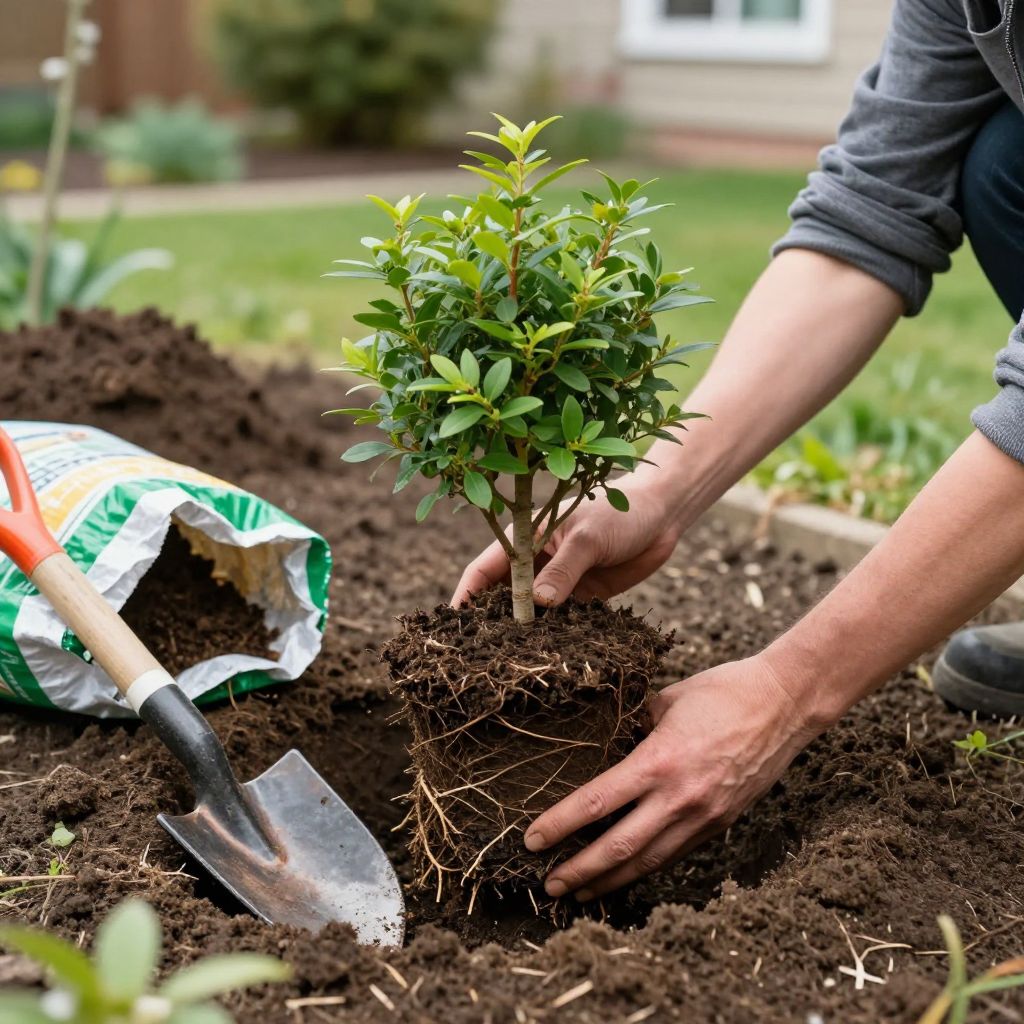
Wondering when to plant shrubs so they settle in quickly and grow well? The best time is usually during cool, mild weather—early fall or spring—when roots can establish before summer heat or winter cold puts stress on the plant.
The exact timing depends on your climate, the shrub type, and whether it’s container-grown or bare-root. A good planting window, plus proper soil preparation and aftercare, makes a bigger difference than any single calendar date.
When to plant shrubs?
In most climates, the best time to plant shrubs is early fall or early spring, when temperatures are moderate and rainfall is more reliable. Fall is often ideal because roots can grow in cool soil before winter, but spring planting works well where winters are harsh or the soil stays wet in autumn.
Why timing matters for shrubs
Shrubs need time to grow roots before they face extreme heat, drought, or freezing conditions. If you plant during a stressful season, the top growth may struggle because the roots cannot supply enough moisture.
Planting at the right time helps shrubs:
- establish faster
- need less supplemental watering
- recover better from transplant shock
- produce stronger growth the following season
Fall planting advantages
Fall is often the best season for many shrubs because the soil is still warm enough for root growth, while cooler air reduces stress on leaves and stems. In many regions, shrubs planted in fall need less watering than spring-planted shrubs.
Try to plant early enough that roots can settle in before the ground freezes. A general rule is to allow several weeks of mild weather before hard frost, but the exact timing depends on your local climate.
Spring planting advantages
Spring is a strong choice if your winters are severe, your soil is heavy and slow to drain, or you missed the fall window. Plant after the ground is workable and no longer waterlogged, but before hot weather arrives.
Spring planting gives shrubs a full growing season to establish, though you may need to water more carefully through the first summer.
Best planting time by shrub type
Not all shrubs behave the same way. Some are more forgiving, while others establish best only under specific conditions.
Container-grown shrubs
Container-grown shrubs can usually be planted during the growing season if the weather is mild and you can keep the soil evenly moist. Still, spring and fall remain the safest times because heat stress is lower.
If you plant in summer, choose a cool day, water deeply, and provide extra attention for the first few weeks.
Bare-root shrubs
Bare-root shrubs should be planted while dormant, usually in late fall, winter in mild climates, or very early spring before new growth starts. Their roots dry out quickly, so timing and prompt planting matter more than with potted shrubs.
Keep bare-root plants moist during transport and plant them as soon as possible after purchase.
Evergreen shrubs
Evergreen shrubs often do best when planted in early fall or early spring. They keep their foliage year-round, so they can lose moisture even when not actively growing. Mild weather gives them a better chance to root in before stress arrives.
Flowering shrubs
Many flowering shrubs can be planted in either fall or spring, but the best timing depends on bloom season and local weather. If a shrub flowers in early spring, planting after bloom may reduce stress and preserve that season’s display.
For shrubs with summer flowers, either spring or fall planting can work well if conditions are moderate.
How to plant shrubs successfully
Good planting technique is just as important as timing. A shrub planted at the right season can still fail if the hole, soil, or watering is handled poorly.
- Choose the right site. Match sunlight, space, and drainage to the shrub’s needs.
- Check the soil. Most shrubs prefer loose, well-drained soil rather than heavy, soggy ground.
- Dig a wide hole. Make it about 2 to 3 times as wide as the root ball, but no deeper than the root ball’s height.
- Loosen circling roots. Gently tease apart roots if they are packed or circling the pot.
- Set the shrub at the right depth. The top of the root ball should sit level with or slightly above the surrounding soil.
- Backfill with native soil. Use the soil you removed, breaking up clods and removing large stones.
- Water thoroughly. Soak the root zone to settle the soil and remove air pockets.
- Mulch lightly. Spread 2 to 3 inches of mulch, keeping it a few inches away from the stems.
Soil and drainage basics
Most shrubs grow best in soil that drains well but still holds some moisture. If water sits around the roots after rain, the planting site may be too wet for that shrub.
Before planting, dig a test hole and fill it with water. If it drains very slowly, you may need to raise the planting area, improve drainage, or choose a shrub better suited to wet soil.
Sunlight and spacing
Check the plant tag or reliable growing guide for light needs. Some shrubs want full sun, while others prefer partial shade, especially in hot climates.
Also plan for mature size. Crowding shrubs too closely can reduce airflow, increase disease pressure, and make pruning harder later.
Watering after planting
New shrubs need consistent moisture while roots are establishing. The goal is to keep the root zone evenly moist, not soggy.
Water deeply after planting, then check the soil every few days during the first several weeks. In warm or windy weather, container-grown shrubs may dry out faster than you expect.
- Water at the base, not over the foliage, when possible.
- Use mulch to slow evaporation.
- Adjust watering after rain rather than sticking to a fixed schedule.
- Reduce watering gradually once the shrub shows steady new growth.
One of the most common mistakes is overwatering newly planted shrubs. Constantly wet soil can suffocate roots and invite rot, especially in clay soil.
Common mistakes to avoid
Even experienced gardeners can lose shrubs by planting them too deeply or at the wrong time. Avoid these frequent problems:
- Planting in extreme heat unless you can provide close attention and irrigation.
- Putting shrubs in poorly drained soil without fixing the drainage issue first.
- Mulching against the trunk, which can trap moisture and encourage rot.
- Skipping root inspection on pot-bound shrubs.
- Fertilizing too soon, which can push weak top growth before roots are ready.
- Planting too deep, which is a major cause of decline.
How to tell if your shrub is establishing well
New shrubs often look quiet at first while roots are growing underground. That is normal, especially in the first season.
Signs of good establishment include:
- firm stems and leaves that stay turgid
- new growth at the tips or along stems
- soil that dries a little more slowly between waterings as roots spread
- less wilting during mild weather
If leaves yellow, scorch, or wilt repeatedly, check soil moisture, drainage, sun exposure, and whether the shrub was planted too deeply.
Pruning, feeding, and maintenance after planting
Most shrubs do not need heavy pruning right after planting. Remove only broken, dead, or badly damaged branches. Let the plant focus on root growth first.
If the shrub is a spring-flowering type, avoid major pruning that removes next season’s flower buds unless you know the plant’s flowering habit. In general, light shaping is safer than hard pruning during the first year.
Hold off on strong fertilizer unless a soil test or clear deficiency suggests it is needed. Compost and mulch are usually enough at planting time for many home landscapes.
Using compost correctly
Mixing a small amount of compost into poor soil can help, but do not create a rich pocket of amended soil inside a hole surrounded by heavy native soil. That can encourage roots to stay in the planting hole instead of spreading outward.
A better approach is to improve the planting area broadly, or top-dress with compost and mulch after planting.
What if you missed the best planting window?
You can still plant shrubs outside the ideal season if you are willing to manage the risks. The key is to reduce stress as much as possible.
- Choose a cool, overcast day.
- Water deeply before and after planting.
- Use mulch to conserve moisture.
- Provide temporary shade if the sun is intense.
- Watch closely for wilting during the first few weeks.
In very hot or very cold weather, it may be wiser to wait a few weeks than to plant into stressful conditions.
Final advice for choosing the right time
If you remember only one thing about when to plant shrubs, make it this: plant when the weather is mild enough for roots to grow without fighting heat, drought, or frozen ground. For most gardeners, that means early fall or early spring.
Before you dig, check drainage, sunlight, and mature size, then water well and mulch lightly after planting. If you want to plan more landscape planting, you may also find these guides helpful: when to plant hydrangea and when to plant peonies.