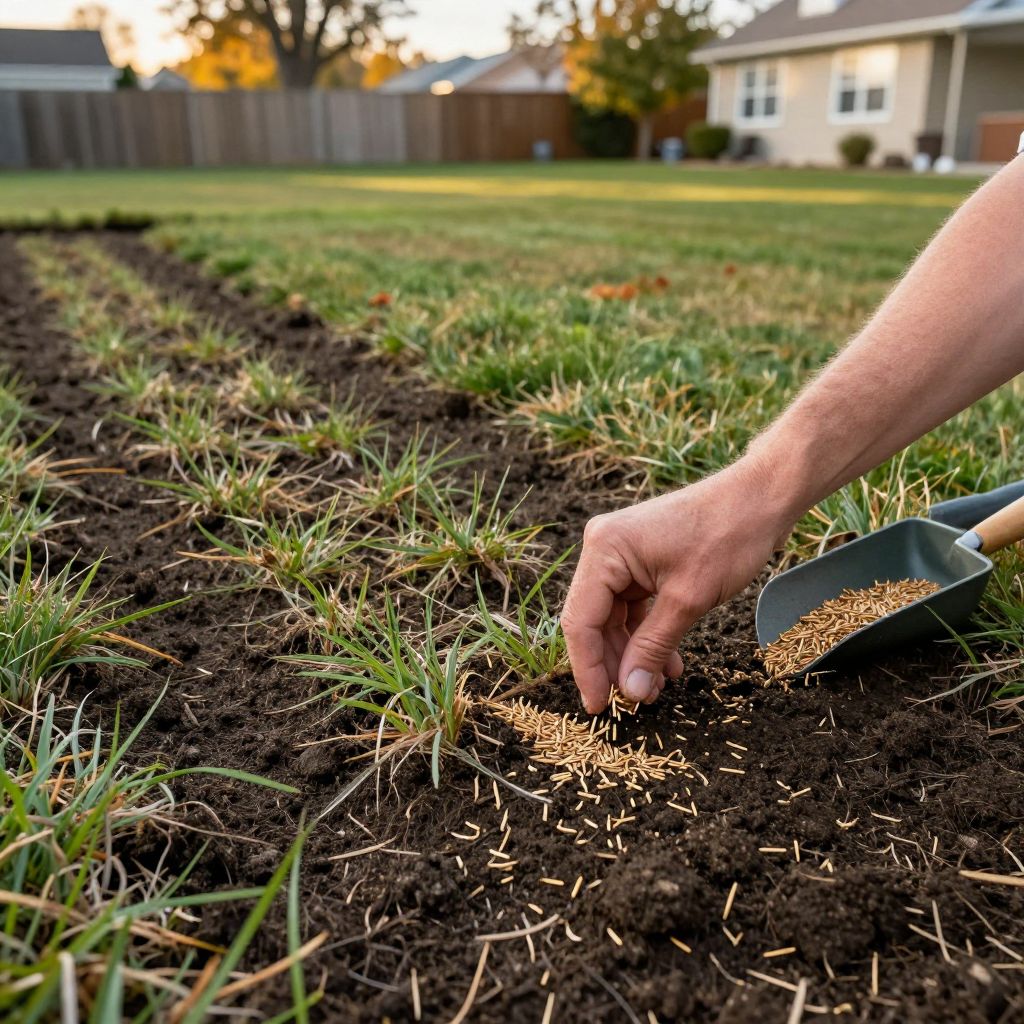
When is the best time to plant grass seed? In most climates, the answer is when the soil is warm enough for quick germination, weeds are less aggressive, and young grass has time to establish before stress hits. For many cool-season lawns, that means late summer to early fall. For warm-season lawns, late spring to early summer is usually better.
The exact timing depends on your grass type, local weather, and whether you are starting a new lawn or overseeding an existing one. If you match seed to the season, you give it the best chance to sprout evenly and root deeply.
When is the best time to plant grass seed?
The best time to plant grass seed is usually when temperatures and moisture favor fast germination and steady growth. For cool-season grasses, seed in late summer to early fall; for warm-season grasses, seed in late spring through early summer. Avoid extreme heat, hard frost, and periods of drought or heavy weed pressure.
Know your grass type before you choose a season
Grass seed timing depends first on whether your lawn is made for cool or warm weather growth. If you plant the wrong type at the wrong time, seedlings may struggle even if you water carefully.
Cool-season grasses
Cool-season grasses such as Kentucky bluegrass, perennial ryegrass, tall fescue, and fine fescues grow best in cooler temperatures. They germinate well when soil is still warm from summer but air temperatures are moderating.
Best planting window: late summer to early fall in many regions, with spring as a backup option.
Warm-season grasses
Warm-season grasses such as Bermuda grass, zoysia, centipedegrass, and St. Augustinegrass prefer heat. Their seed or planting material needs warm soil and long, sunny days to establish well.
Best planting window: late spring to early summer, once frost danger has passed and the soil has warmed.
Why fall is often best for cool-season grass seed
For cool-season lawns, fall usually gives the best balance of warm soil, cooler air, and fewer aggressive weeds. Seedlings can focus on root growth instead of fighting summer heat.
Fall planting also reduces competition from crabgrass and other warm-season weeds. That means your new grass has a better chance to fill in before winter.
Why spring is less ideal for cool-season lawns
Spring seeding can work, but young grass often faces rising heat, fast-growing weeds, and dry spells before it is fully established. If you must seed in spring, plan for extra watering and expect more maintenance.
Why late spring works best for warm-season grass seed
Warm-season grasses need heat to germinate and spread. Planting too early can leave seed sitting in cold soil, where it may rot, sprout unevenly, or be eaten by birds.
Once soil temperatures are consistently warm and nighttime lows are mild, warm-season seed can establish quickly. In many areas, this means waiting until after the last frost and into the period when lawns are actively growing.
Why fall is risky for warm-season lawns
Fall planting often fails for warm-season grasses because cooler nights slow growth before roots are strong enough to handle winter. Even if seedlings emerge, they may not have enough time to mature before dormancy or frost.
How to tell if your lawn is ready for seeding
Instead of relying only on the calendar, check your local conditions. Soil temperature, moisture, and weed pressure matter just as much as the month on the calendar.
- Soil is workable: not waterlogged, crusted, or frozen.
- Temperatures match the grass type: cool-season seed likes moderate conditions; warm-season seed likes heat.
- Rainfall is manageable: enough moisture to keep seed damp, but not so much that it washes away.
- Weeds are not overwhelming: heavy weed growth can outcompete seedlings.
- You can water consistently: new seed needs regular moisture for germination.
Best conditions for grass seed to germinate
Grass seed germinates best in loose, lightly prepared soil with good seed-to-soil contact. Most lawns also do better in full sun to partial shade, depending on the species.
Soil preparation
Before seeding, remove debris, break up compacted soil, and level low spots where water pools. A thin layer of compost can improve poor soil, but do not bury seed too deeply.
Grass seed usually needs to sit very close to the surface. A light raking or a shallow topdressing is often enough.
Drainage matters
Poor drainage can cause seed to rot or encourage fungal problems. If water stands in an area after rain, fix the drainage issue before seeding or choose a different grass better suited to the site.
Sunlight matters too
Most lawn grasses prefer several hours of sun each day. Shade-tolerant grasses can handle less light, but dense shade still makes establishment harder. If your site is very shady, consider pruning tree limbs or choosing a groundcover better suited to low light.
Step-by-step: how to plant grass seed successfully
Good timing is important, but proper planting technique matters just as much. Follow these steps for better germination and more even coverage.
- Test and prepare the soil. Remove rocks, sticks, and weeds. Loosen the top layer if the soil is compacted.
- Level the area. Fill shallow depressions so water does not collect and drown new seed.
- Spread seed evenly. Use a broadcast spreader for larger areas or hand-seed small patches.
- Rake lightly. Work seed into the top surface so it has contact with soil, but do not bury it too deep.
- Topdress if needed. A thin layer of compost or clean straw can help retain moisture and protect seed from birds.
- Water gently. Keep the top layer moist, not saturated, until germination.
- Reduce traffic. Keep people, pets, and mowers off the area until the grass is established.
How often should you water new grass seed?
New seed must stay consistently moist, especially during the first phase of germination. The goal is to prevent the surface from drying out, not to soak the soil deeply every time.
In general, light, frequent watering is better at first. Once seedlings emerge, you can gradually water less often but more deeply to encourage roots to grow downward.
Important: If the surface dries out even once during germination, some seed may fail to sprout. If rain is unreliable, be ready to water by hand or with a sprinkler.
Common mistakes to avoid
Many lawn seeding problems come from timing mistakes rather than bad seed. Avoid these common issues if you want better results.
- Seeding too early in cold soil: seed may sit idle or rot.
- Seeding too late in the season: seedlings may not establish before heat or frost.
- Using too much seed: overcrowding leads to weak, thin grass and disease pressure.
- Planting seed too deep: grass seed needs light soil contact, not burial.
- Letting the soil dry out: inconsistent moisture reduces germination.
- Ignoring weeds: weeds can outgrow young grass very quickly.
What to do if you missed the ideal planting window
If you missed the best season, you still have options. The right choice depends on how far into the season you are and what kind of grass you are growing.
If you missed fall for cool-season grass
You can often seed in early spring, but expect more weed pressure and a shorter establishment window before summer heat arrives. Choose a fast-germinating seed mix when appropriate, and be ready to water carefully.
If you missed spring for warm-season grass
It may be better to wait until the following warm season rather than forcing seed into cooling soil. In the meantime, focus on soil improvement, weed control, and drainage corrections so the site is ready when conditions improve.
Overseeding vs. starting a new lawn
Overseeding an existing lawn is usually easier than starting from bare soil, but timing still matters. Overseeding works best when the existing grass is thinning, not when it is actively stressed by heat, drought, or heavy shade.
For bare areas, soil preparation becomes even more important. Seed needs direct contact with soil, and the site should be free of thick thatch, debris, and competing weeds.
How long does grass seed take to grow?
Germination time varies by grass type, temperature, and moisture. Some grasses sprout in about a week under ideal conditions, while others take several weeks.
Do not judge success too quickly. Even after germination, new grass needs time to develop roots, thicken up, and tolerate mowing.
When can you mow new grass?
Mow only after the grass is tall enough to handle cutting without being pulled from the soil. A good rule is to wait until the lawn is well rooted and has reached a mowable height for its type.
Use a sharp mower blade and remove only a small portion of the blade height at first. Cutting too short can stress young grass and slow establishment.
Final tip for choosing the right planting time
The best time to plant grass seed is the season that matches your grass type and gives seedlings the longest stretch of mild weather. If you want the strongest start, aim for cool-season seeding in fall or warm-season seeding in late spring.
Before you sow, check your local forecast, prepare the soil, and plan for consistent watering. If you want to keep improving your lawn, you may also find it helpful to read more about how to prepare soil for a new lawn and how to overseed a lawn for thicker grass.