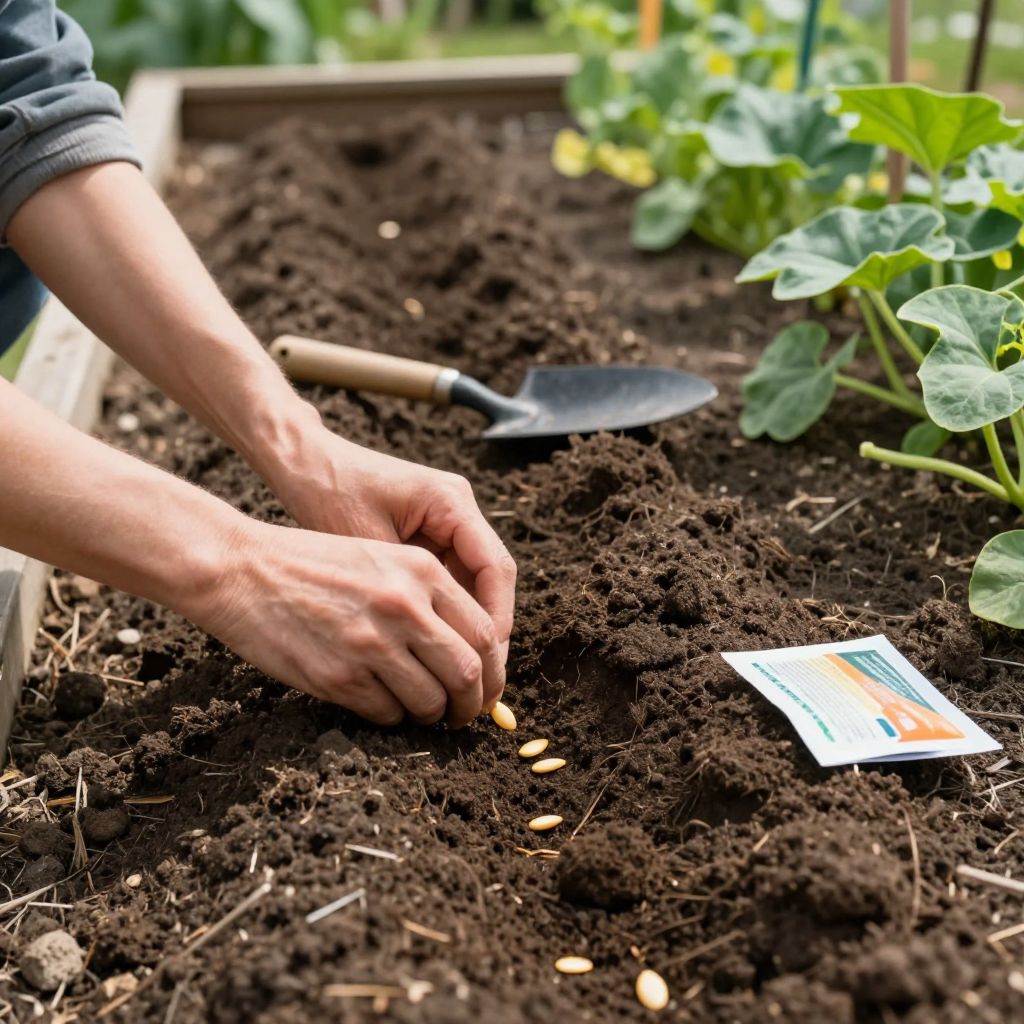
Wondering when to plant pumpkin seeds so they sprout well and produce full-sized fruit before frost? The best time is after all danger of frost has passed and the soil has warmed to at least 65°F, with 70°F to 95°F being even better for fast germination. In most gardens, that means late spring to early summer outdoors.
Timing matters because pumpkins are warm-season crops that dislike cold soil and frost. Plant too early and seeds may rot or seedlings may stall; plant too late and the vines may not have enough time to mature fruit before autumn weather arrives.
When to plant pumpkin seeds?
Plant pumpkin seeds outdoors after your last expected frost date, once soil temperatures are consistently above 65°F and the ground is workable and well drained. In cooler regions, wait a little longer for warmer soil; in long-season climates, you can sow from late spring into early summer and still get a good harvest.
How to choose the right planting time for your climate
Pumpkins are sensitive to cold, so the calendar alone is not enough. Your local frost dates, soil temperature, and the variety’s days to maturity all affect the best sowing window.
Use frost dates as your starting point
Count backward from your average fall frost date to estimate how much growing time you have. Most pumpkins need a long warm season, so give them enough room to mature before cold nights arrive.
- Short-season areas: choose early-maturing varieties and plant soon after the soil warms.
- Moderate climates: sow in late spring, once nights stay mild.
- Warm regions: you may have a longer planting window, but avoid sowing during extreme heat if seedlings struggle to establish.
Watch the soil, not just the date
Cold, wet soil slows germination and increases the risk of seed rot. If you can, check soil temperature with a soil thermometer a few inches deep in the planting area.
Good pumpkin seed germination happens fastest in warm soil, and seedlings establish more reliably when nights are no longer chilly.
Can you start pumpkin seeds indoors?
Yes, but only if your season is short or you want an earlier harvest. Start seeds indoors 2 to 4 weeks before your last frost date, using biodegradable pots or containers that minimize root disturbance when transplanting.
Indoor starting tips
- Use a seed-starting mix, not heavy garden soil.
- Plant seeds about 1 inch deep.
- Keep the mix evenly moist, not soggy.
- Provide strong light so seedlings do not become leggy.
- Harden off seedlings gradually before moving them outside.
Do not start pumpkins too early indoors. Overgrown seedlings often transplant poorly and can become root-bound before the weather is warm enough.
How to plant pumpkin seeds outdoors
Direct sowing is often the simplest and most successful method. Pumpkins dislike root disturbance, so many gardeners get better results by planting seeds directly in the garden once conditions are right.
Step-by-step outdoor planting
- Choose a sunny site with at least 6 to 8 hours of direct sun.
- Prepare loose, fertile soil with good drainage.
- Mix in compost if the soil is poor or compacted.
- Plant seeds about 1 inch deep.
- Space seeds according to the variety’s mature size, leaving plenty of room for vines.
- Water gently after planting to settle the soil.
If you are planting in hills or mounds, keep them low and broad rather than steep. Raised areas warm faster and drain better in wet spring weather.
Best growing conditions for pumpkin seeds
Healthy pumpkins start with warm sun, rich soil, and steady moisture. The goal is to help the seed germinate quickly and then support strong vine growth, flowering, and fruit set.
Sunlight
Full sun is best. Pumpkins grown in shade often produce fewer flowers and smaller fruit, and the vines may be more prone to disease because foliage stays damp longer.
Soil
Pumpkins prefer fertile, loose soil with plenty of organic matter. A slightly raised bed or mound can help if your garden soil stays wet after rain.
- Work compost into the top layer of soil before planting.
- Avoid planting in heavy, waterlogged ground.
- Break up compacted soil so roots can spread easily.
Water
Keep the seedbed evenly moist until germination. After seedlings emerge, water deeply when the top few inches of soil begin to dry, rather than giving frequent shallow sprinkles.
Consistent moisture matters more than frequent watering. Irregular watering can stress plants and contribute to poor fruit development, splitting, or blossom-end issues in some conditions.
Common mistakes to avoid
Many pumpkin problems begin at planting time. Avoiding a few common errors can make a big difference in germination and harvest quality.
- Planting too early: cold soil can delay sprouting or rot seeds.
- Planting too late: fruit may not mature before frost.
- Overcrowding: crowded vines compete for light, water, and nutrients.
- Poor drainage: soggy soil encourages rot and weak roots.
- Too much nitrogen: lush vines may grow at the expense of flowers and fruit.
How to care for young pumpkin seedlings
Once seedlings emerge, they need steady care to build a strong root system and healthy vines. Thin to the strongest seedlings if more than one sprouted in each planting spot.
Support early growth
- Mulch lightly after the soil has warmed to help retain moisture and suppress weeds.
- Keep weeds down so young vines are not crowded.
- Protect seedlings from late cold snaps with row cover or cloches if needed, but remove covers once flowering begins so pollinators can reach the plants.
Watch for pests and disease
Young pumpkins can attract cucumber beetles, squash bugs, and other pests. Check leaves regularly, especially the undersides, and remove damaged plant debris to reduce disease pressure.
Powdery mildew is a common late-season issue on pumpkins, especially when plants are crowded or airflow is poor. Give vines enough space and avoid wetting the foliage late in the day.
How long pumpkins take to grow
The time from seed to harvest varies by variety and weather. Many pumpkins need a long season, so always check the seed packet for days to maturity and compare that with your local frost window.
Smaller pumpkins often mature faster than large carving types. If your season is short, choosing an earlier variety can be the difference between a ripe harvest and frost-damaged fruit.
When to harvest pumpkins
Harvest pumpkins when the rind is hard, the color is fully developed, and the stem begins to dry and toughen. A ripe pumpkin should resist being punctured by a fingernail and sound hollow when tapped.
- Cut fruit from the vine with a few inches of stem attached.
- Handle carefully to avoid bruising or stem breaks.
- Let harvested pumpkins cure in a warm, dry, airy place if the variety is meant for storage.
Quick timing guide for pumpkin seeds
If you want a simple rule, use this: plant pumpkin seeds after frost danger passes and the soil is warm enough for quick germination. If you are unsure, wait a little longer rather than rushing into cold ground.
- Outdoors: after last frost, warm soil, stable mild nights.
- Indoors: 2 to 4 weeks before last frost, then transplant carefully.
- Best overall conditions: full sun, rich soil, good drainage, steady moisture.
For more help planning your vegetable patch, you may also want to read about how to start a vegetable garden and composting for beginners to improve soil before planting.