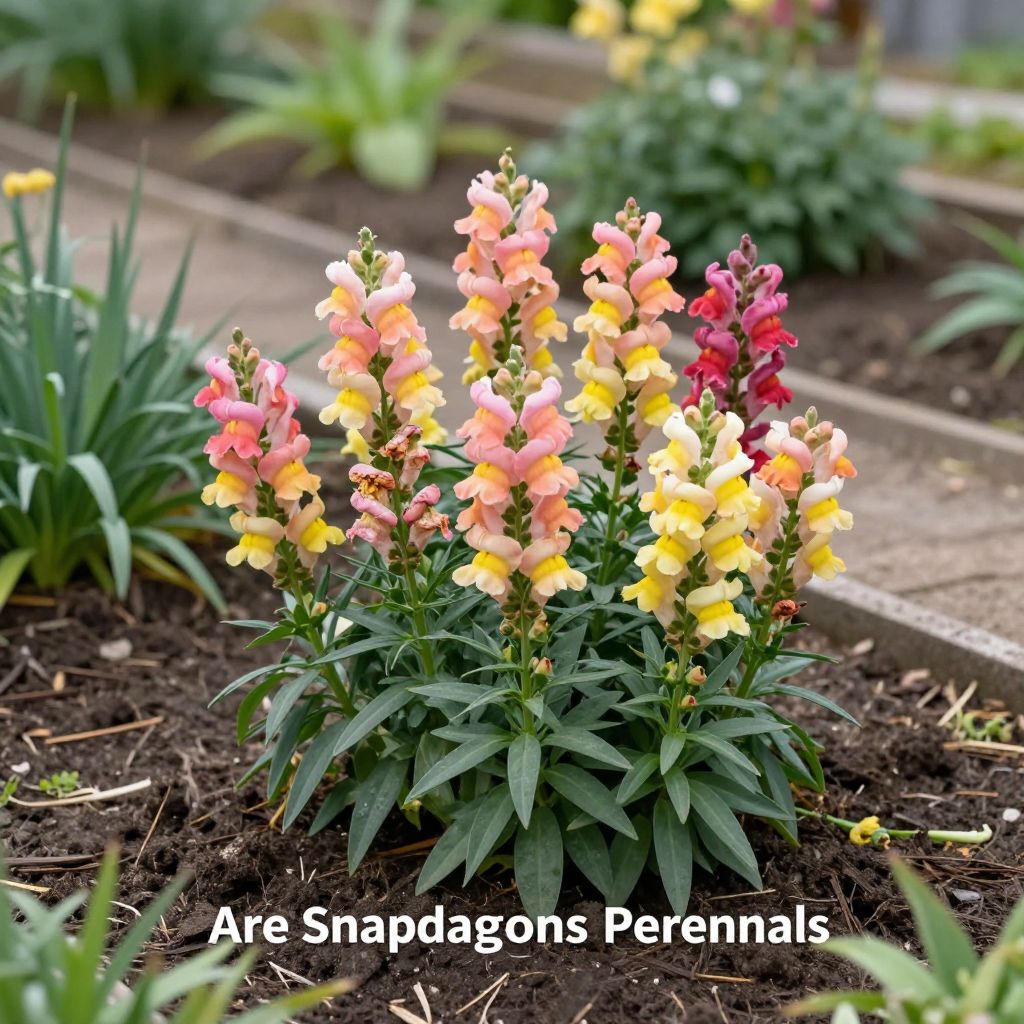
Are snapdragons perennials? The short answer is: sometimes, but often not in the way gardeners expect. In many climates, snapdragons are grown as cool-season annuals, yet in mild winters or with the right variety, they can behave like short-lived perennials and return for more than one season.
If you want them to come back reliably, the key is understanding your climate, drainage, and winter temperatures. With the right care, snapdragons can bloom for a long stretch and may reseed or survive the cold in some gardens.
Are snapdragons perennials?
Snapdragons (Antirrhinum majus) are technically short-lived perennials in mild climates, but most gardeners grow them as annuals because they are not reliably winter-hardy in cold regions. In frost-prone areas, they usually die back after hard freezes. In warmer zones, they may survive and return for a few years.
How snapdragons behave in different climates
Whether snapdragons act like perennials depends mainly on winter severity, summer heat, and soil drainage. They prefer cool weather and often bloom best in spring and fall, then slow down during hot weather.
In mild-winter gardens
In areas with light frost or brief cold snaps, snapdragons may keep growing through winter or regrow from the base in spring. A mulch layer can help protect roots, but wet soil is often more damaging than cold alone.
In cold-winter gardens
Where winters are harsh, snapdragons are usually treated as annuals. Even if the plant survives a little frost, repeated freezing and thawing can weaken it. In these regions, many gardeners start fresh plants each year or rely on self-sown seedlings.
In hot-summer gardens
Snapdragons often struggle in prolonged heat and may stop blooming or decline before winter arrives. If you garden in a warm climate, treat them as cool-season bedding plants and give them morning sun with some afternoon shade.
What snapdragons need to survive longer
If you want snapdragons to last beyond one season, focus on conditions that reduce stress. Healthy plants with good drainage and moderate temperatures have the best chance of returning.
- Sunlight: Full sun in cool climates; partial afternoon shade in warmer areas.
- Soil: Loose, fertile, well-drained soil with organic matter mixed in.
- Water: Even moisture, but never soggy soil.
- Airflow: Space plants well to reduce disease.
- Mulch: A light mulch can buffer temperature swings in winter.
Soil and drainage matter most
Snapdragons dislike waterlogged ground. If your soil stays wet after rain, roots can rot and winter survival drops sharply. Improve heavy soil with compost and, if needed, plant in raised beds or containers with drainage holes.
Compost and feeding
A modest amount of compost at planting time usually gives snapdragons a good start. Too much nitrogen can produce lush foliage but fewer flowers, so avoid overfeeding. A balanced, light approach is usually better than pushing fast growth.
How to plant snapdragons for the best chance of return
Planting time and placement can make a big difference in how long snapdragons last. Since they prefer cool weather, many gardeners set them out in early spring or fall, depending on local conditions.
- Choose a site with good drainage and at least several hours of sun.
- Work compost into the top layer of soil before planting.
- Set plants at the same depth they were growing in their nursery pots.
- Space them so air can move between plants.
- Water thoroughly after planting, then keep soil evenly moist as roots establish.
If you are planting in a container, use a quality potting mix and a pot with drainage holes. Containers dry out faster than garden beds, so they need closer attention during warm or windy weather.
Seasonal care that helps snapdragons come back
Snapdragons are not difficult, but they do respond well to a few simple habits. Care changes with the season, especially if you want the plants to survive from one year to the next.
Spring care
In spring, remove winter damage and pinch or trim lightly if plants are leggy. This encourages branching and can lead to more flower spikes.
Summer care
When temperatures rise, snapdragons may slow down. Keep them watered during dry spells, deadhead spent blooms, and remove tired stems if the plant becomes sparse. In very hot weather, flowering may pause until cooler conditions return.
Fall care
Fall is often one of the best times for snapdragons. Cooler nights can trigger strong blooming, and in mild climates this is also the time to encourage overwintering with mulch and reduced stress.
Winter care
If your climate is mild enough for overwintering, cut back weak growth, clear fallen debris, and apply a light mulch after the soil cools. Avoid thick, wet mulch packed against the crown, which can trap moisture and encourage rot.
Pruning and deadheading for longer bloom
Regular deadheading helps snapdragons keep producing flowers. Removing faded spikes prevents the plant from putting energy into seed too early, which can extend the flowering season.
- Snip off spent flower spikes just above a healthy set of leaves.
- Trim back leggy stems to encourage side shoots.
- Remove damaged or diseased growth promptly.
Do not cut the plant back too hard all at once if it is already stressed from heat, drought, or cold. Light, selective pruning is usually safer than a severe haircut.
Common pests and diseases
Healthy snapdragons are fairly sturdy, but a few problems can shorten their life. Catching issues early gives the plant a better chance of returning the next season.
Common pests
- Aphids: Cluster on soft growth and flower spikes. Rinse them off with a strong spray of water or remove heavily infested tips.
- Spider mites: More common in hot, dry conditions. Leaves may look speckled or dusty.
- Caterpillars or chewing insects: Can damage buds and foliage, especially in mixed beds.
Common diseases
- Powdery mildew: Often appears when air circulation is poor or plants are crowded.
- Root rot: Usually caused by wet soil or poor drainage.
- Rust or leaf spots: More likely when foliage stays wet for long periods.
To reduce disease, water at the base of the plant rather than overhead, and avoid crowding. If a plant repeatedly develops rot or mildew, it is usually better to replace it and improve the site than to keep fighting the same problem.
Can snapdragons reseed themselves?
Yes, snapdragons may self-sow in some gardens, especially where winters are not too severe and flower spikes are allowed to set seed. The seedlings may not come back true to the parent plant if you grew a named cultivar, but they can still provide new plants.
If you want self-sown snapdragons, leave a few flower spikes to mature at the end of the season. If you want tidier beds or stronger repeat bloom, deadhead more consistently and remove spent plants before they drop seed.
How to propagate snapdragons
Propagation is useful if you want to keep a favorite plant going. The most common methods are seed and stem cuttings, depending on your climate and the type of plant you have.
From seed
Snapdragon seed is fine and should be sown on the surface or only lightly covered, since it needs light to germinate well. Start seeds indoors if your season is short, or sow outdoors when conditions are cool and suitable.
From cuttings
Soft stem cuttings can sometimes root if taken from healthy, non-flowering growth. This is most useful for preserving a specific plant, but success depends on keeping the cutting evenly moist and out of harsh sun while it roots.
Best uses in the garden
Snapdragons are versatile in borders, containers, and cutting gardens. Their upright flower spikes add height without taking much space, and they pair well with other cool-season flowers.
- Use them at the front or middle of mixed borders.
- Plant them in containers for patios and entryways.
- Combine them with pansies, violas, calendula, or other cool-weather flowers.
- Choose taller types for cutting and shorter types for edging.
If you want a longer display, plant in groups rather than single specimens. Massed plantings are easier to maintain and often look fuller as the season progresses.
Common mistakes to avoid
Many snapdragon problems come from trying to treat them like heat-loving summer annuals. Avoid these common errors if you want healthier plants and a better chance of perennial-like return.
- Planting in soggy soil or low spots.
- Overfertilizing with high-nitrogen products.
- Letting plants dry out completely during establishment.
- Ignoring spent blooms and weak, crowded stems.
- Expecting winter survival in a climate that gets hard freezes.
Final answer: should you expect snapdragons to return?
Yes, but only in the right conditions. Snapdragons can behave like short-lived perennials in mild climates, yet many gardeners will still treat them as annuals because winter cold, summer heat, or poor drainage often ends their life cycle.
If you want the best chance of keeping them, plant them in well-drained soil, give them cool-season care, and protect them from stress. For more ideas on cool-weather planting and border design, consider reading related gardening guides on seasonal annuals and container flowers.