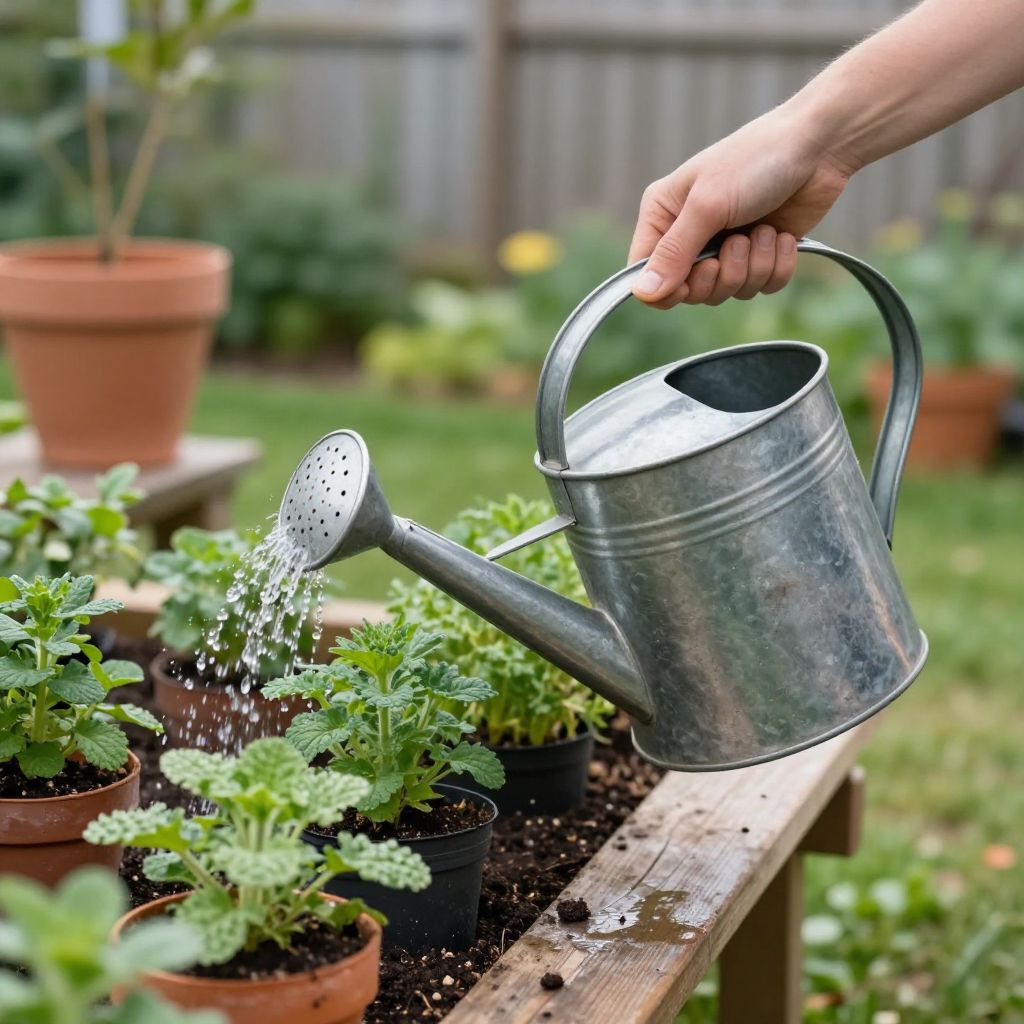
If you’re wondering how to use a Haws Watering Can well, the short answer is that it should help you water gently, accurately, and without wasting water. The right can makes it easier to wet the root zone evenly, protect seedlings, and avoid splashing soil onto leaves or stems.
Whether you garden indoors, on a patio, or in beds and borders, the best results come from matching the can, rose, and watering technique to the plant and the season. A good watering can is simple equipment, but using it correctly makes a real difference to plant health.
What is a Haws Watering Can used for?
A Haws Watering Can is typically used for controlled, gentle watering of houseplants, seedlings, containers, hanging baskets, greenhouse plants, and small garden areas. Its balanced shape and removable rose help you direct water precisely, so you can soak the soil without damaging delicate growth or compacting the surface.
Why choose a Haws Watering Can for gardening?
Many gardeners like a Haws Watering Can because it is practical for everyday watering and easier to control than a hose or large sprinkler. The narrow spout helps you reach pots and tight spaces, while the rose gives a soft shower that suits young plants and shallow-rooted crops.
Benefits that matter in real gardens
- Gentle watering for seedlings, cuttings, and newly planted containers.
- Better control around foliage, stems, and mulch.
- Useful indoors where spills can damage floors and furniture.
- Handy for spot-watering dry pots without soaking everything nearby.
- Easy to carry when you only need a small amount of water.
How to use a Haws Watering Can correctly
Use the can to water the soil, not the leaves, whenever possible. Aim for a slow, even soak that reaches the root zone, then stop before water runs straight through the pot or puddles on the surface.
- Fill the can with clean water that is close to outdoor temperature if possible.
- Attach the rose for seedlings, houseplants, and delicate containers.
- Hold the spout close to the soil surface to reduce splashing.
- Water slowly around the base of the plant, not in one heavy pour.
- Pause if water begins to run off, then return after it has soaked in.
- For thirsty plants, repeat with a second light pass rather than flooding the pot.
When to remove the rose
Remove the rose when you need a more direct stream for established plants, deep pots, or dry hanging baskets that repel water at first. A direct pour can help rewet very dry compost, but use it carefully so you do not wash away mulch or expose roots.
How much water should you give?
There is no single amount that suits every plant, pot, or climate. Instead, water until the root zone is evenly moist, then let the soil dry to the correct level for that plant before watering again.
Use the soil, not the calendar
- Container plants usually need more frequent attention than plants in the ground.
- Sandy soil dries faster than clay soil.
- Hot, windy weather increases water loss.
- Cool, cloudy conditions slow drying and reduce demand.
- Young plants often need steadier moisture than established shrubs or perennials.
A simple test is to feel the soil with your finger. If the top layer is dry but the soil below is still cool and slightly moist, many plants can wait. If the root zone is dry several centimeters down, it is time to water thoroughly.
Best watering practices for different garden situations
Indoor plants
For houseplants, a Haws Watering Can is especially useful because it helps you avoid overwatering the pot and the surrounding area. Water until a little excess drains from the base, then empty saucers so roots do not sit in water.
- Use the rose for small pots and delicate foliage.
- Water evenly around the pot, not just in one spot.
- Check drainage holes before watering.
- Adjust frequency to light levels, pot size, and indoor heat.
Seedlings and young plants
Seedlings need a fine, gentle shower so they are not flattened or exposed. A rose on the can helps keep the surface evenly moist, which is important while roots are still shallow.
- Water lightly but often enough to prevent drying out.
- Keep the surface moist, not soggy.
- Water early in the day if possible so foliage dries quickly.
Containers and hanging baskets
Containers dry faster than garden beds, especially in sun and wind. A watering can lets you target each pot and check whether water is actually penetrating the compost rather than slipping around the edges.
- Water slowly until you see drainage from the bottom.
- If compost is very dry, water in two or three passes.
- Mulch the surface with bark, gravel, or compost where suitable to slow evaporation.
Raised beds and borders
In beds, a watering can is best for new plantings, small areas, or places where a hose would be awkward. It is also useful for watering at the base of plants while keeping paths and foliage drier.
- Water deeply enough to encourage roots to grow downward.
- Apply water more slowly in heavy soil so it can soak in.
- For larger beds, use the can for targeted watering rather than trying to cover the whole area by hand.
Choosing the right rose and spout style
The rose and spout matter as much as the can itself. A finer rose gives a soft shower for seedlings and tender plants, while a more open rose or plain spout suits established plants that need a deeper soak.
Match the tool to the task
- Fine rose: seedlings, cuttings, houseplants, and newly sown trays.
- Medium rose: mixed container plantings and general border watering.
- Plain spout: deep watering, dry pots, and larger established plants.
If the rose blocks or sprays unevenly, rinse it regularly. Hard water, algae, soil particles, and mineral deposits can all reduce flow and make watering less even.
Common mistakes to avoid
Even a good Haws Watering Can can be used poorly if you rush the job. The most common problems come from watering too quickly, using the wrong attachment, or assuming every plant needs the same treatment.
- Watering only the surface instead of soaking the root zone.
- Flooding dry compost in one go, which can cause runoff.
- Leaving water standing in saucers under indoor pots.
- Spraying foliage repeatedly when the plant would be healthier watered at the base.
- Using a fine rose on very dry soil and expecting it to penetrate immediately.
Troubleshooting watering problems
Water runs straight through the pot
This usually means the compost has become too dry or has shrunk away from the pot edges. Water in stages, allowing each pass to soak in, and if needed place the pot in a shallow tray of water for a short period so moisture can wick upward.
Leaves are yellowing or drooping
Yellowing and drooping can be caused by either too much or too little water, so check the soil before changing your routine. If the soil is wet and heavy, improve drainage and reduce watering. If it is dry, water more deeply and more consistently.
Soil crusts or splashes
If the water stream is too forceful, it can disturb potting mix and expose roots. Use the rose, lower the can closer to the soil, and water more slowly. A mulch layer can also reduce surface crusting in containers and beds.
Cleaning and maintaining your watering can
Good maintenance keeps a Haws Watering Can working smoothly and helps prevent blockages. Empty it after use, rinse out any sediment, and store it where it can dry fully.
- Remove the rose and flush both parts with clean water.
- Clear any debris from the spout openings.
- Check for cracks, loose fittings, or leaks.
- Do not leave water sitting in the can for long periods if you can avoid it.
- Store it out of harsh weather if the material is not designed for constant outdoor exposure.
If your water supply is hard, occasional rinsing helps reduce mineral buildup. For indoor use, a clean can also prevents algae, odors, and sediment from ending up in houseplant pots.
How to make watering more efficient through the seasons
Seasonal conditions affect how often and how much you water, so adjust your technique rather than sticking to a fixed routine. In warm, bright weather, plants dry faster; in cool or damp periods, they use less water.
Spring and summer
Plants are often actively growing and may need more frequent watering, especially in containers. Check pots daily in hot spells and water early in the day when possible.
Autumn and winter
Growth slows, evaporation drops, and many plants need less water. Overwatering becomes a bigger risk, especially indoors and in cool greenhouses, so check before you fill the can.
Conclusion
A Haws Watering Can is most useful when you treat it as a precision tool rather than just a container for water. Match the rose to the plant, water slowly at the soil level, and adjust to your local weather, pot size, and soil type. If you want better results, start by checking one plant today and watering it more carefully than usual.
For more practical container and houseplant advice, you may also find related gardening reading on houseplant care and garden design useful.