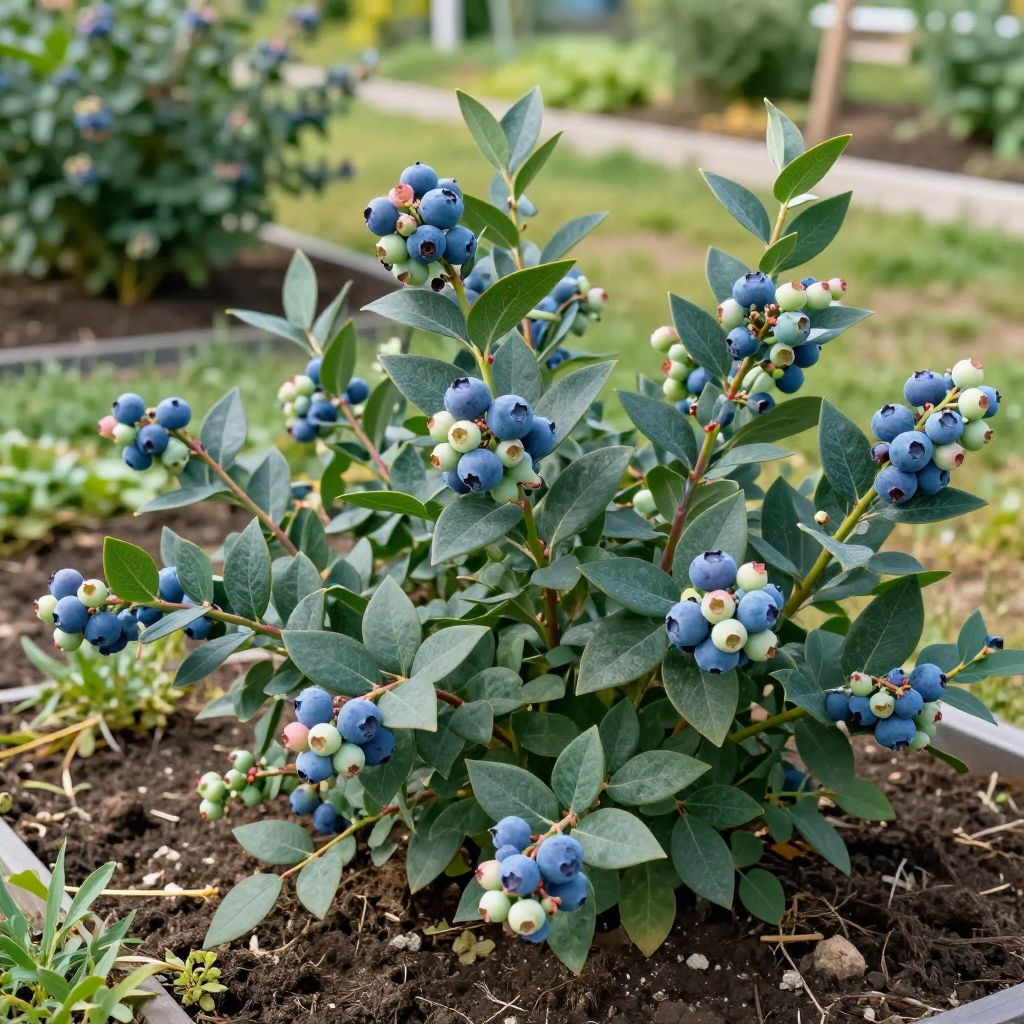
When are blueberries in season? The short answer is that it depends on your climate, the type of blueberry, and whether you’re buying fruit or growing your own. In most home gardens, blueberries ripen from late spring through summer, with some varieties starting earlier and others finishing well into early fall.
If you grow blueberries, the harvest window can be surprisingly long when you plant more than one variety. Understanding bloom time, ripening habits, and local weather will help you pick berries at peak flavor and avoid losing fruit to birds, heat, or overripening.
When are blueberries in season?
Blueberries are generally in season from late spring through summer, but the exact timing varies by region and variety. In warmer areas, early types may ripen as early as May; in cooler climates, the main crop often comes in June, July, or August. Some late varieties extend the season into September.
What affects blueberry season?
Several growing factors control when blueberries ripen. The biggest are climate, cultivar, and plant age. Weather patterns can shift harvest by a week or more, especially after a cool spring or a late frost.
Climate and region
Blueberries ripen earlier in warm southern climates and later in cooler northern areas or higher elevations. If you’re growing them in your yard, your local frost dates and spring temperatures matter more than a calendar date.
Blueberry type
Different blueberry species and cultivars ripen at different times. Highbush blueberries often dominate home gardens in many regions, while lowbush and rabbiteye types have their own seasonal patterns. Planting a mix of early, midseason, and late cultivars can stretch your harvest.
Plant maturity
Young bushes may produce only a small crop for the first few years. Mature plants usually ripen more evenly and heavily, but even then, berries on the same bush can mature over several pickings.
How to tell when blueberries are ready to pick
Blueberries are ready when they are fully blue, easily detach from the stem, and taste sweet with no green or red tint near the stem end. Color alone is not enough; some berries turn blue before they are fully ripe, so taste a few before harvesting the whole cluster.
- Check color: Look for a deep, even blue with a dusty bloom on the skin.
- Feel the berry: Ripe berries are plump, not hard or shriveled.
- Test the stem: Ripe fruit should come off with a gentle roll.
- Taste one: Flavor should be sweet-tart, not grassy or sour.
Blueberries do not ripen much after picking, so harvest only the berries that are truly ready. If you pick too early, the fruit may look blue but stay bland.
Typical blueberry season by harvest stage
Blueberry season is often easier to understand as a sequence rather than a single date. In a home garden, the crop usually moves through bloom, green fruit, color change, and then ripening over several weeks.
- Flowering: Spring blooms appear first, often after chilling requirements are met.
- Fruit set: Small green berries develop after pollination.
- Color change: Berries shift from green to pink, then red-purple, then blue.
- Harvest: Fully ripe fruit is picked in repeated rounds.
Because berries on one cluster do not always ripen at the same time, plan to harvest every few days during peak season.
How to grow blueberries for a better season
If you want a longer, healthier blueberry season in your garden, focus on the growing conditions that support strong flowering and fruiting. Blueberries are not difficult, but they are particular about soil and moisture.
Soil needs
Blueberries grow best in acidic, well-drained soil rich in organic matter. A soil pH around 4.5 to 5.5 is commonly recommended for good nutrient uptake. If your soil is too alkaline, plants may struggle, leaves may yellow, and fruiting can be poor.
Before planting, test your soil rather than guessing. If the pH is too high, your local extension service or garden center can help you choose an appropriate amendment strategy.
Sunlight
Give blueberries full sun for the best flowering and fruit production. In hot climates, a little afternoon shade can reduce heat stress, but too much shade usually means fewer berries and a later harvest.
Watering
Blueberries need consistent moisture, especially while setting fruit and ripening. Uneven watering can lead to small berries, poor flavor, or fruit drop. Keep the root zone evenly moist, but never waterlog the soil.
- Use mulch to help hold moisture and moderate soil temperature.
- Water deeply rather than giving frequent shallow sprinkles.
- Check container plants more often, since pots dry out faster than garden beds.
Mulch and compost
A 2- to 4-inch layer of pine bark, pine needles, or other suitable acidic mulch can support blueberries by conserving moisture and suppressing weeds. Compost can improve soil structure, but use it thoughtfully and avoid overdoing rich amendments that raise pH too much.
Extending the blueberry harvest season
You can lengthen your blueberry season by choosing varieties with different ripening windows and by protecting the crop from common losses. This is especially helpful if you want fresh berries over several weeks instead of one short flush.
- Plant early, midseason, and late cultivars: This spreads harvest across the season.
- Grow more than one plant: Many blueberries set better with cross-pollination from another compatible variety.
- Use bird netting: Birds often discover ripe berries before you do.
- Harvest regularly: Frequent picking encourages you to catch berries at peak flavor.
If you’re planning a new patch, ask for varieties suited to your local climate and chill conditions. A well-matched plant is more likely to flower on time and ripen reliably.
Common problems that affect ripening
Blueberry season can be shortened or delayed by weather, pests, and poor soil conditions. Knowing what to watch for helps you avoid disappointment at harvest time.
Late frost
A late spring frost can damage blossoms and reduce the crop before berries even form. If frost is predicted during bloom, use protective covers where practical and remove them once temperatures rise.
Bird damage
Birds are one of the biggest harvest problems. Netting installed before fruit starts to color is usually the most effective deterrent, because birds often begin feeding as soon as berries turn blue.
Uneven ripening
It’s normal for berries on the same bush to ripen at different times. If berries stay sour or pale, the plant may need more sun, better pollination, or improved soil conditions.
Yellow leaves and weak growth
Yellowing leaves can signal high soil pH, poor drainage, or nutrient issues. Blueberries are sensitive to alkaline conditions, so soil testing is the best first step before adding amendments.
Pruning and maintenance for better fruit timing
Pruning helps blueberry bushes stay productive, but heavy pruning at the wrong time can reduce the current season’s crop. The goal is to remove dead, weak, or crowded stems so the plant puts energy into healthy fruiting wood.
- Prune during dormancy or at the appropriate time for your region.
- Remove dead canes and weak growth first.
- Open the center slightly for light and air movement.
- Avoid removing too much fruiting wood in one year.
Good airflow also helps reduce disease pressure, which can protect flowers and fruit as the season progresses.
Growing blueberries in containers
Container blueberries can fruit well if you control soil and moisture carefully. Pots are useful if your native soil is too alkaline or poorly drained, but they dry out faster than in-ground plantings.
Choose a large container with drainage holes and use an acidic potting mix suited to blueberries. Check moisture often during warm weather, because container plants may need more frequent watering during fruiting.
Harvest tips for the best flavor
For the sweetest berries, harvest when they are fully colored and have had a few extra days on the bush after turning blue. Many gardeners find that flavor improves noticeably as berries finish ripening on the plant.
- Pick in the cool part of the day if possible.
- Use shallow containers to avoid crushing the fruit.
- Handle berries gently to preserve the natural bloom.
- Store harvested berries in the refrigerator soon after picking.
Blueberries are delicate, so frequent light harvests are better than waiting for every berry to ripen at once.
Quick seasonal checklist for blueberry growers
- Confirm your local ripening window based on climate and variety.
- Keep soil acidic, moist, and well drained.
- Watch for bloom, then protect flowers from late frost if needed.
- Net plants before berries begin turning blue.
- Pick ripe fruit every few days during peak season.
- Prune after the appropriate dormant period for your area.
Conclusion
Blueberries are usually in season from late spring through summer, but your exact harvest time depends on where you live and which varieties you grow. If you want a longer season, plant a mix of early and late cultivars, keep the soil acidic, and harvest regularly as berries ripen.
For more practical garden planning, you may also want to read about how to test and adjust soil pH and best fruiting shrubs for home gardens.