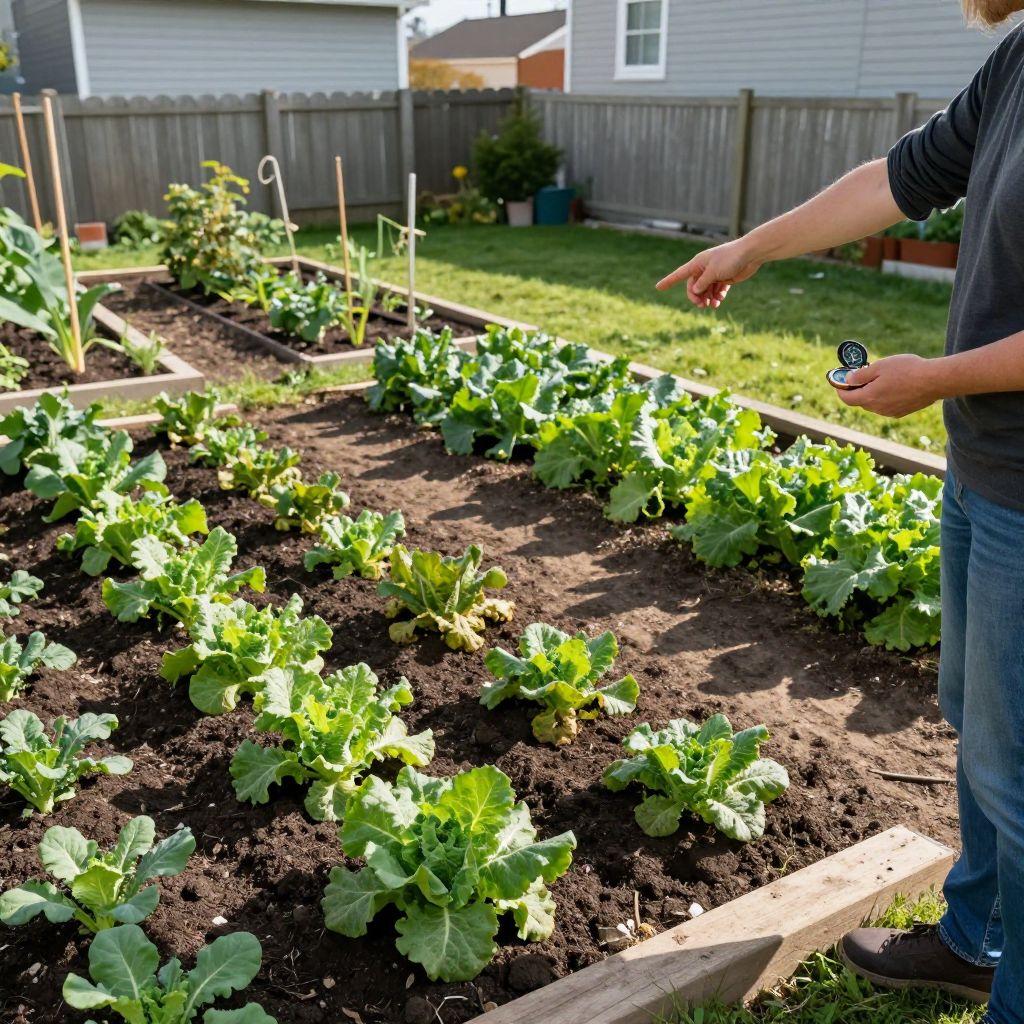
Which direction should your garden face? The short answer is: it depends on your climate, what you want to grow, and how much sun your space gets through the day. In general, a south-facing garden gets the most light in the Northern Hemisphere, while a north-facing garden is usually shadier and cooler. East- and west-facing gardens each have their own strengths.
The best direction is not always the “sunniest” one. A well-planned garden can thrive in almost any orientation if you match plants to the light, shelter, and heat your site naturally provides.
Which direction should your garden face Kdalandscapetion?
For most gardeners in the Northern Hemisphere, a south-facing garden gives the longest, strongest sun exposure and suits vegetables, fruiting crops, and sun-loving flowers. East-facing gardens get gentle morning sun, west-facing gardens get hotter afternoon sun, and north-facing gardens are best for shade-tolerant plants or cool, sheltered growing.
How garden direction affects light, heat, and growth
Garden direction changes how much sun your plants receive, when they receive it, and how quickly the soil warms up. That affects germination, flowering, fruiting, and even how often you need to water.
South-facing gardens
In the Northern Hemisphere, south-facing areas usually receive the most direct sunlight across the day. This is often ideal for tomatoes, peppers, herbs, strawberries, and many flowering annuals.
These spaces also dry out faster, so drainage and watering matter more. If your soil is light or sandy, it may need extra compost to hold moisture.
North-facing gardens
North-facing gardens are typically cooler and shadier, especially if buildings, fences, or trees block low winter sun. These gardens can still be productive, but they suit plants that tolerate partial shade better than full sun.
Leafy crops, some ferns, hostas, hellebores, and many woodland plants often perform better here than sun-hungry vegetables.
East-facing gardens
East-facing gardens get morning sun and afternoon shade. This is often a very forgiving setup because plants warm up early without being scorched by intense late-day heat.
It is a good compromise for mixed borders, salads, and many ornamentals, especially in hot climates.
West-facing gardens
West-facing gardens receive stronger afternoon and evening sun. In cooler regions, that can be beneficial because it extends warmth later into the day.
In hot climates, however, west-facing beds can become stressful in summer. Mulch, drought-tolerant plants, and consistent watering become especially important.
How to judge your garden’s direction and sun exposure
Do not rely on compass direction alone. Trees, fences, neighboring houses, sheds, and walls can dramatically change how much light a garden actually gets.
- Stand in the garden at different times of day and note where the sun falls.
- Check the space in morning, midday, and late afternoon.
- Watch for seasonal changes, especially in spring and autumn when the sun sits lower in the sky.
- Look for shade from evergreen trees, tall hedges, and nearby buildings.
- Record whether the area gets full sun, partial shade, or mostly shade.
Full sun usually means at least 6 hours of direct sun daily. Partial shade is often 3 to 6 hours. Shade generally means less than 3 hours of direct sun.
Choosing plants for each garden direction
The smartest way to garden is to match the plant to the light you have, not force the site to suit the plant. That reduces stress, disease, and watering problems.
Best plants for south-facing gardens
- Tomatoes
- Peppers
- Courgettes/zucchini
- Beans
- Lavender
- Rosemary
- Sunflowers
- Most annual bedding plants
These plants usually need strong light to flower well or produce fruit. If the site is very exposed, consider wind protection as well as sun.
Best plants for north-facing gardens
- Lettuce and other leafy greens
- Spinach
- Pak choi
- Hostas
- Ferns
- Astilbe
- Hellebores
- Some hydrangeas
These plants often prefer cooler conditions and less intense sun. In deep shade, growth may be slower, so keep soil fertile and avoid overcrowding.
Best plants for east-facing gardens
- Salad crops
- Roses in milder climates
- Many herbs
- Perennials that dislike harsh afternoon sun
- Spring-flowering bulbs
East-facing gardens are useful when you want brightness without the hottest part of the day. They are often easier to manage in summer than west-facing sites.
Best plants for west-facing gardens
- Heat-tolerant perennials
- Mediterranean herbs
- Drought-tolerant grasses
- Pollinator-friendly flowers
- Vegetables that like warmth, if water is reliable
West-facing gardens can be excellent in cooler regions, but in hot weather they may need extra mulch and more frequent checking for dryness.
Soil, drainage, and moisture: the hidden factors
Direction affects temperature, but soil condition often decides whether plants succeed. A sunny south- or west-facing garden can still fail if drainage is poor or the soil is thin and dry.
What to check before planting
- Drainage: Does water soak in quickly, or does it sit on the surface?
- Soil texture: Is it sandy, loamy, or heavy clay?
- Organic matter: Does the soil crumble well, or is it compacted?
- Exposure: Is there wind that dries plants out?
If your soil is poor, work in well-rotted compost before planting. This improves structure, helps retain moisture, and supports root growth.
Drainage tips by garden direction
Shadier north-facing gardens may stay damp for longer, which can encourage fungal problems if air circulation is poor. Improve spacing, prune overcrowded shrubs, and avoid planting too densely.
Sunny south- and west-facing gardens dry faster, so mulch is especially useful. A 5 to 8 cm layer of organic mulch can help reduce evaporation and suppress weeds.
How to use direction to improve your garden design
Once you know your light pattern, you can place plants more intelligently. This is especially helpful in small gardens, patios, and narrow side returns where every square metre matters.
- Put the sunniest spot aside for fruiting crops or flowering plants that need strong light.
- Use partial shade for leafy crops, seedlings, and plants that dislike scorching sun.
- Place taller plants where they will not shade smaller ones too much.
- Use walls, fences, and trellises to create sheltered microclimates.
- Group plants with similar water needs together.
Remember that a wall can change the growing conditions significantly. A south-facing wall may reflect heat and create a very warm pocket, while a north-facing wall can remain cool and shaded.
Common mistakes gardeners make with garden orientation
Many planting problems come from misunderstanding how direction works in real life. A garden can face south and still be shaded by a nearby tree, or face north and still get useful brightness in summer.
1. Assuming all south-facing gardens are perfect
They are not. Too much heat can stress tender plants, dry out soil, and scorch leaves in hot weather.
2. Planting sun lovers in deep shade
Tomatoes, peppers, and most fruiting crops will struggle without enough direct light. You may get leafy growth but poor flowering and fruit set.
3. Ignoring seasonal sun angles
Winter sun is lower and shorter in duration. A garden that feels bright in June may be much shadier in December or January.
4. Overwatering shaded areas
Cool, damp gardens can invite mildew, root rot, and slug damage if the soil stays wet for too long.
5. Forgetting wind exposure
A sunny garden that is also windy can dry out quickly and damage tall or brittle plants. Shelter matters as much as light.
Practical fixes for difficult-facing gardens
Even awkward sites can be productive if you adapt your planting style. Containers, raised beds, and careful plant selection can make a big difference.
If your garden faces north
- Choose shade-tolerant plants.
- Use light-colored surfaces to reflect more brightness.
- Prune or thin nearby plants to increase air and light.
- Avoid overwatering, especially in cool weather.
If your garden faces south
- Use mulch to conserve moisture.
- Install drip irrigation or water deeply when needed.
- Provide temporary shade for seedlings during heat waves.
- Choose heat-tolerant plants for the hottest spots.
If your garden faces east
- Take advantage of morning sun for vegetables and flowers.
- Use afternoon shade for plants that scorch easily.
- Monitor for slugs in damp, cool corners.
If your garden faces west
- Mulch well before hot weather arrives.
- Water early in the day so plants are not stressed by afternoon heat.
- Use drought-tolerant plants in the hottest positions.
What about balconies, patios, and indoor growing?
For containers and indoor windowsills, direction still matters. A south-facing window usually gives the most usable light for houseplants and seedlings, while east-facing windows offer gentler morning light.
West-facing windows can be hot in summer, so tender plants may need to be set back from the glass. North-facing windows are often best for low-light houseplants rather than fruiting crops.
When direction matters less than microclimate
In many gardens, the small details matter more than the compass point. A sheltered courtyard, a heat-radiating wall, or a large tree can create a microclimate that changes what will grow well.
If you are unsure, start by observing where frost lingers, where soil dries fastest, and where plants already seem happiest. Those clues are often more useful than a general rule.
Conclusion: choose the right plants for the light you have
The best answer to which direction should your garden face is the one that matches your climate, your available light, and the plants you want to grow. South-facing gardens are usually best for sun lovers, north-facing gardens for shade-tolerant plants, and east- or west-facing gardens can be excellent with the right choices.
Take a day to map your sun, note the shade patterns, and then plant accordingly. If you want to keep learning, read more about how to improve garden soil with compost and choosing the right plants for shade and sun.