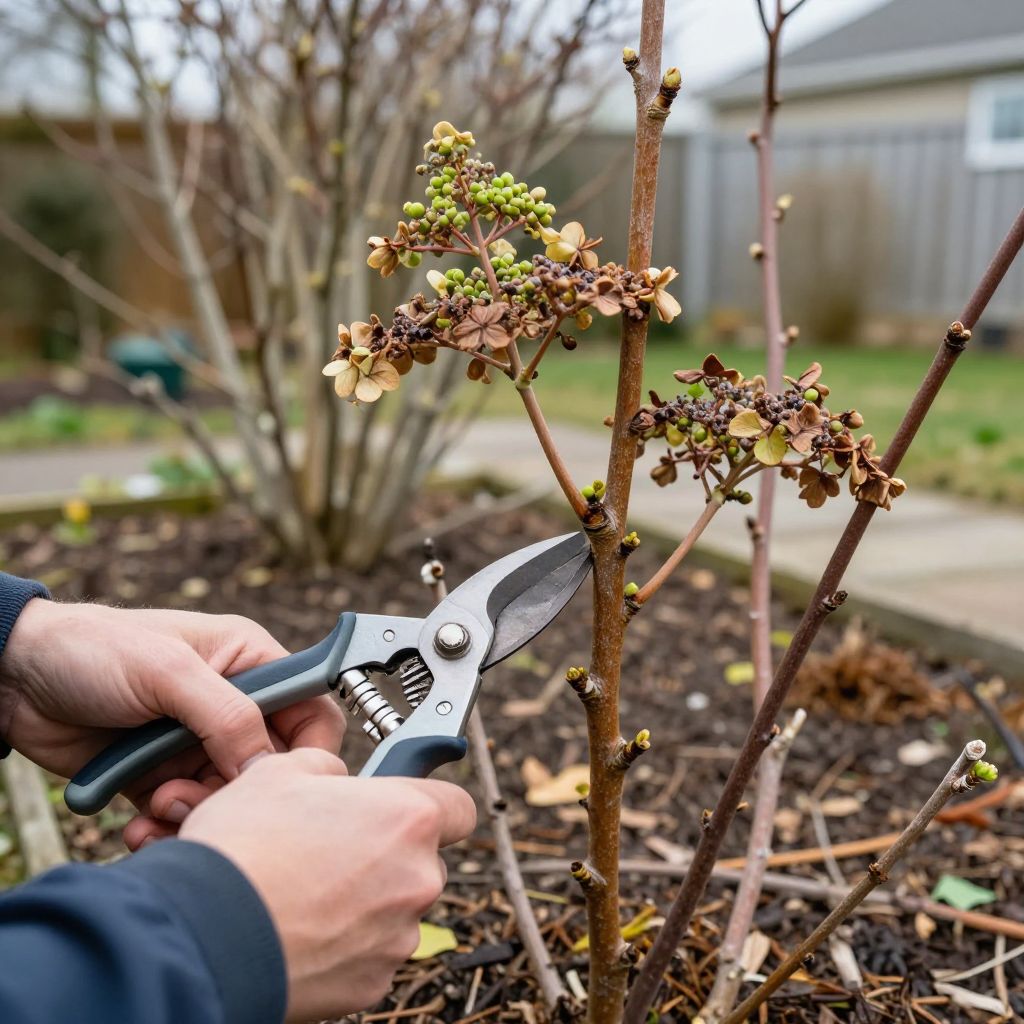
If you’re wondering when to cut back hydrangeas, the short answer is: it depends on the type of hydrangea you grow. Some bloom on old wood and should be pruned lightly right after flowering, while others bloom on new wood and can be cut back in late winter or early spring.
Getting the timing right helps you avoid removing next season’s flower buds. With a little identification and a simple pruning plan, you can keep hydrangeas healthy, shapely, and full of blooms.
When to cut back hydrangeas?
The best time to cut back hydrangeas depends on whether they bloom on old wood or new wood. Prune old-wood bloomers shortly after flowering, and prune new-wood bloomers in late winter or early spring before growth starts. If you are unsure, make only light cuts until you identify the plant.
First, identify what kind of hydrangea you have
Before you grab the pruners, figure out which hydrangea you’re growing. The pruning window changes a lot by type, and the wrong timing can mean fewer flowers.
Common hydrangea groups and pruning timing
- Bigleaf hydrangea (Hydrangea macrophylla) — usually blooms on old wood, so prune after flowering.
- Oakleaf hydrangea (Hydrangea quercifolia) — also blooms on old wood; prune lightly after bloom.
- Mountain hydrangea (Hydrangea serrata) — often blooms on old wood; prune after flowering.
- Panicle hydrangea (Hydrangea paniculata) — blooms on new wood; prune in late winter or early spring.
- Smooth hydrangea (Hydrangea arborescens) — blooms on new wood; prune in late winter or early spring.
If you do not know the exact variety, look at the shape of the leaves, the bloom form, and when it flowers. When in doubt, avoid hard pruning until you’re sure.
Why pruning time matters so much
Hydrangeas set flower buds at different times. Old-wood bloomers form buds during the previous growing season, so cutting them back in winter can remove the flower display. New-wood bloomers make buds on fresh spring growth, which gives you more flexibility for pruning.
One of the most common mistakes is “spring cleaning” a hydrangea without knowing its bloom habit. That can turn a promising shrub into a leafy plant with few or no flowers.
When to prune hydrangeas by season
Late winter to early spring
This is the best time to prune panicle and smooth hydrangeas. Wait until the worst cold has passed in your area, then cut back before strong new growth begins.
- Remove dead, damaged, or weak stems.
- Cut stems back to a healthy pair of buds or to the desired framework.
- Thin crowded stems to improve air flow.
In colder climates, waiting until late winter also helps protect stems from winter injury. In milder regions, you can prune a bit earlier, as long as hard freezes are not expected.
Right after flowering
Prune bigleaf, oakleaf, and mountain hydrangeas soon after the blooms fade. This gives the plant time to grow new stems and set buds for next year before autumn arrives.
- Trim spent flower heads if needed.
- Remove dead wood and crossing branches.
- Shape the shrub lightly, but avoid major cuts.
If you wait until late summer, fall, or winter, you may remove next year’s flower buds on old wood bloomers.
Any time for cleanup
You can remove dead, broken, or diseased stems at any time of year. That kind of maintenance pruning is different from shaping the whole shrub and is usually safe when done carefully.
How much to cut back hydrangeas
Hydrangeas usually need less pruning than many gardeners expect. Start with the least aggressive approach that solves the problem.
- Remove dead, damaged, or diseased wood first.
- Cut away stems that rub, cross, or grow inward.
- Reduce height only if needed for shape or size.
- For old-wood bloomers, avoid removing more than a small amount of live growth unless you know the plant responds well.
- For new-wood bloomers, you can cut them back harder to encourage sturdy new stems.
If a hydrangea is overgrown, spread major renovation over two seasons rather than taking off too much at once. That reduces stress and keeps the plant from looking bare.
What to do if your hydrangea didn’t bloom
Missing blooms often points to pruning at the wrong time, winter damage, too much shade, or a plant that is still settling in. If it is an old-wood bloomer, the buds may have been lost over winter or cut off in spring.
Common reasons for poor flowering
- Pruned too late on old wood.
- Winter cold damaged flower buds.
- Too much shade reduced bloom production.
- Too much nitrogen encouraged leafy growth instead of flowers.
- The plant is young or newly transplanted and still establishing roots.
For a hydrangea that blooms on new wood, poor flowering is more often tied to light, water stress, or cutting it too late in spring after growth has already started.
Growing conditions that support better blooms
Pruning is only part of the story. Healthy hydrangeas bloom best when they get the right balance of light, moisture, and soil conditions.
Light
Most hydrangeas do best with morning sun and afternoon shade, especially in hot climates. Some panicle hydrangeas tolerate more sun than bigleaf types.
Soil and drainage
Hydrangeas like moist, well-drained soil rich in organic matter. Heavy clay can hold too much water, while very sandy soil may dry out too quickly. Work in compost to improve structure, but avoid planting in spots that stay soggy after rain.
Watering
Keep newly planted hydrangeas evenly moist while they establish. Mature plants still need steady moisture during dry spells, especially in heat or wind. Water at the base of the plant rather than wetting the foliage whenever possible.
Wilting leaves do not always mean the plant needs more water. Check the soil first. If the top inch is dry but the root zone is still moist, wait before watering again.
Tools and technique for clean pruning
Use clean, sharp hand pruners for most cuts. For thicker old stems, loppers may be easier and give a cleaner finish.
- Disinfect blades if you are cutting diseased wood.
- Make cuts just above a healthy bud or branch junction.
- Cut at a slight angle so water does not sit on the wound.
- Remove stems back to the base only when thinning or rejuvenating, not as a routine habit.
Clean cuts heal better and reduce the chance of disease entry, especially on older shrubs with woody stems.
Special situations: potted hydrangeas and newly planted shrubs
Container-grown hydrangeas usually follow the same pruning rules as garden plants, but they may dry out faster and be more sensitive to stress. Keep them well watered and avoid heavy pruning while they are adjusting to a pot or a new site.
Newly planted hydrangeas often need a season or two to establish. If they are weak, focus on watering, mulching, and removing only dead or broken stems. Save major shaping for later.
Common pruning mistakes to avoid
- Cutting all hydrangeas back in fall without knowing the bloom type.
- Removing too much old wood from spring-blooming types.
- Pruning during a warm spell in late winter when hard freezes may still return.
- Shearing hydrangeas into a tight ball, which can reduce flowering and create dense growth.
- Ignoring dead stems, which can invite disease or make the shrub look untidy.
If your hydrangea has become too large, consider gradual renewal pruning instead of a hard cutback. That keeps the plant attractive while preserving bloom potential.
A simple seasonal pruning guide
- Spring-blooming on old wood: prune right after flowering.
- Summer-blooming on new wood: prune in late winter or early spring.
- Dead or damaged stems: remove anytime.
- Unsure of type: prune lightly and observe bloom timing for a season.
Once you know your hydrangea’s bloom habit, the timing becomes much easier. The plant will also tell you a lot: if it flowers on last year’s stems, protect those buds; if it flowers on new growth, you have more freedom to shape it.
For more seasonal care help, you may also want to read about hydrangea care basics and how to prune flowering shrubs for broader pruning tips.