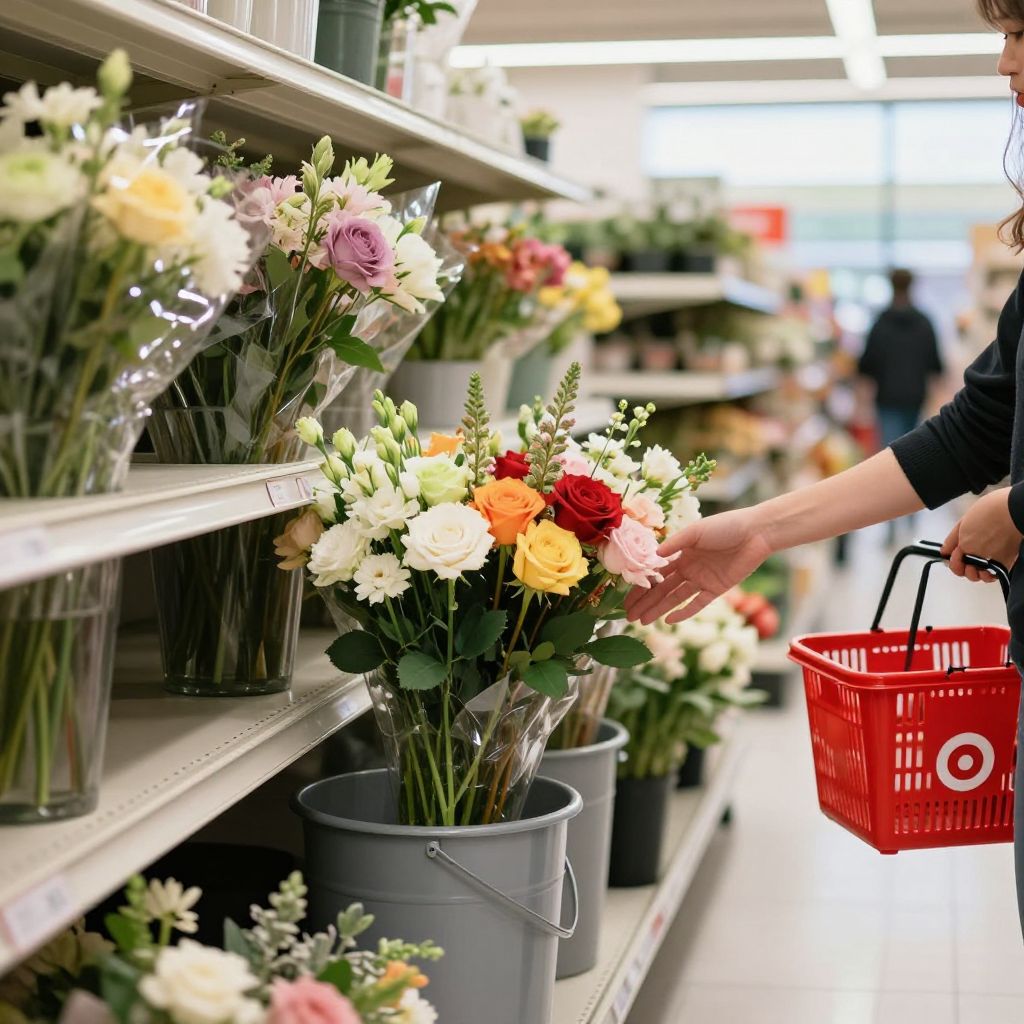
Does Target have flowers? Yes—many Target stores sell cut flowers, potted plants, seasonal bouquets, and sometimes garden-ready items like herbs or decorative planters, though selection varies by location and season.
If you’re shopping for flowers to brighten a porch, patio, or indoor space, it helps to know what to look for and how to care for them once you get home. The right plant choice, proper watering, and good light make a much bigger difference than the store where you bought it.
Does Target Have Flowers?
Target often carries flowers in the form of fresh bouquets, potted flowering plants, seasonal arrangements, and occasionally small houseplants or herb starts. Availability depends on the store, the time of year, and local demand, so the best selection is usually found during spring holidays, Mother’s Day, and other peak shopping seasons.
What Kind of Flowers You May Find at Target
Target’s floral selection changes, but most gardeners will see one or more of these categories:
- Cut flowers for vases and arrangements
- Potted flowering plants such as orchids, mini roses, chrysanthemums, or seasonal bloomers
- Houseplants with flowers or decorative foliage
- Herbs and small edible plants at some locations or during seasonal promotions
- Planters, pots, and vases to help display and maintain them
Not every store has the same inventory, and some locations only stock flowers during certain seasons. If you want something specific, call ahead or check the store’s app or website before making the trip.
Fresh-Cut Flowers vs. Potted Plants
Fresh-cut flowers are best if you want immediate color indoors. Potted plants last longer if you can give them the right light and care, and some can be moved outdoors later if they’re suited to your climate.
For gardeners, potted plants are often the better long-term choice because you can transplant them into larger containers or the landscape if the species is appropriate. Cut flowers, by contrast, are temporary but easy to enjoy right away.
How to Choose Healthy Flowers at the Store
Whether you’re buying from Target or any other retailer, the same plant-health rules apply. A little inspection at the store can save you from bringing home a plant that declines quickly.
- Check the leaves for yellowing, spotting, holes, or sticky residue.
- Look at the buds; choose plants with some unopened buds if you want a longer bloom period.
- Inspect the soil; it should be slightly moist, not soggy or bone dry.
- Lift the pot; a very light pot may mean the plant has dried out too much.
- Examine the stems for firmness and healthy color.
- Watch for pests such as aphids, whiteflies, mealybugs, or fungus gnats.
Avoid plants with wilted blooms, mushy stems, or a strong sour smell from the potting mix. Those are common signs of stress, overwatering, or root problems.
How to Care for Flowers After You Bring Them Home
Good aftercare matters more than the store label. Flowers often decline because they’re left in a hot car, overwatered, or placed in the wrong light after purchase.
For Cut Flowers
- Trim stems 1 to 2 inches at an angle with clean scissors or pruners.
- Remove any leaves that would sit below the waterline.
- Use a clean vase and fresh water.
- Change the water every 1 to 2 days.
- Keep arrangements away from direct sun, heat vents, and ripening fruit.
Cut flowers last longer in a cool room with indirect light. If the bouquet includes mixed flowers, some blooms may fade faster than others, so remove spent stems as needed.
For Potted Flowering Plants
Place potted flowers in the brightest spot they can handle without scorching. Many flowering houseplants prefer bright, indirect light, while sun-loving plants need several hours of direct light outdoors or in a very bright window.
- Water when the top inch of soil feels dry for many common houseplants.
- Empty saucers after watering so roots do not sit in water.
- Rotate the pot every week or two for even growth.
- Remove faded blooms to encourage continued flowering in many species.
Do not assume every flowering plant wants the same care. Orchids, African violets, kalanchoe, roses, and seasonal annuals all have different moisture and light needs.
Can You Plant Flowers from Target Outdoors?
Sometimes, but only if the plant is appropriate for your climate and the season. Some store-bought flowers are meant strictly as indoor decor, while others can be transplanted into containers or the garden after proper acclimation.
What to Check Before Planting
- Plant type: Identify whether it’s an annual, perennial, bulb, herb, or houseplant.
- Cold tolerance: Make sure it can survive your local temperatures.
- Sun needs: Match the plant to the light level in your garden.
- Container size: If roots are crowded, repot before planting out.
- Season: Don’t rush tender plants outdoors before frost risk has passed.
If you’re unsure what you bought, keep the tag or take a photo of the plant label. That makes it easier to identify the species and research its growing needs.
Soil, Drainage, and Repotting Basics
Many store-bought flowering plants come in small plastic nursery pots that dry out quickly or hold too much water. Repotting into a slightly larger container can help, but only if the plant needs it.
When to Repot
Repot if roots are circling the pot, growing out of drainage holes, or pushing the plant upward. Choose a container with drainage holes and use a quality potting mix suited to the plant type.
What Soil Works Best
- General flowering houseplants: A well-draining potting mix
- Succulent-type bloomers: A gritty, fast-draining mix
- Outdoor annuals: Rich garden soil amended with compost
- Container plants: Potting mix, not heavy native soil
Compost can improve moisture retention and soil structure outdoors, but use it in moderation. In containers, too much compost can make the mix dense and reduce drainage.
Common Problems with Store-Bought Flowers
Flowers from retail stores can be perfectly healthy, but they often face stress from transportation, indoor display conditions, and changes in temperature. Knowing the common issues helps you respond quickly.
Wilting
Wilting may mean the plant is too dry, too wet, or shocked from temperature changes. Check the soil before watering again, because soggy roots can look wilted too.
Yellow Leaves
Yellowing can come from overwatering, poor drainage, low light, or natural aging. If only the oldest leaves are yellowing, the plant may simply be shedding older growth.
Flower Drop
Blooms may drop after a move indoors or after a sudden change in light. Keep the plant stable, avoid overfertilizing, and give it the best light available.
Pests
Common pests on store-bought flowers include aphids, spider mites, mealybugs, and whiteflies. Isolate new plants for a week or two if possible, and inspect leaf undersides regularly.
How to Keep Flowers Blooming Longer
A few simple habits can extend the display life of both cut flowers and potted bloomers.
- Give the plant the right amount of light for its species.
- Water consistently, but never leave roots waterlogged.
- Deadhead faded flowers when appropriate.
- Keep plants away from hot, dry air from vents or radiators.
- Use a balanced fertilizer only if the plant type and season call for it.
For outdoor flowering plants, deadheading and light pruning can encourage more blooms. For indoor flowering plants, the biggest factor is usually light quality, followed by careful watering.
Best Uses for Target Flowers in the Garden and Home
Target flowers can be useful in several ways, even if they’re not purchased from a traditional garden center.
- Indoor accents for tables, windowsills, and entryways
- Patio containers for seasonal color
- Gift plants that can be kept or replanted
- Temporary landscaping color in porch pots or planters
If you’re decorating outdoors, choose containers with drainage holes and group plants with similar water and sun needs together. That makes maintenance much easier.
Practical Mistakes to Avoid
Many flower problems start with a few common mistakes that are easy to prevent.
- Leaving flowers in a hot car after purchase
- Overwatering because the top of the soil looks dry
- Using pots without drainage
- Placing shade-loving plants in harsh direct sun
- Ignoring pests on new plants
- Repotting too soon into a very large container
Start small with care changes. Sudden shifts in light, watering, or pot size can stress a plant more than the original store conditions did.
Conclusion: What to Do Next
So, does Target have flowers? Yes, and the selection can be a convenient way to bring home fresh color or a new potted plant. The key is choosing a healthy specimen and matching it to the right light, soil, and watering routine once you get home.
If you want to keep learning, it’s worth reading more about how to care for potted flowering plants indoors and how to choose the right potting mix for container flowers before your next shopping trip.