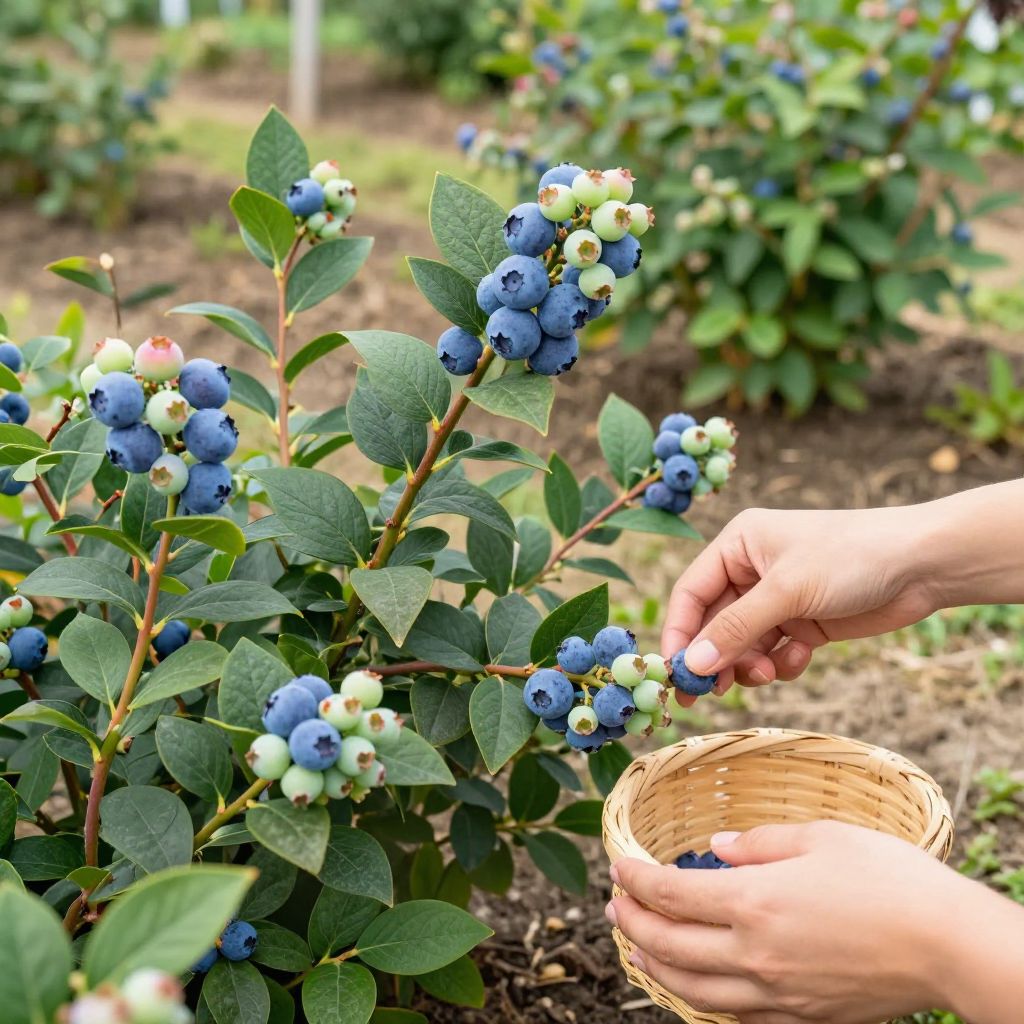
Wondering when is blueberry season, and whether you can grow berries that ripen at the right time in your garden? The answer depends on your climate, the type of blueberry you grow, and whether you want an early, midseason, or late harvest. Blueberries are one of the easiest fruit crops to time well once you understand how the plant grows and sets fruit.
In most home gardens, blueberry season runs from late spring through midsummer, though some varieties and regions can stretch harvest into late summer. If you grow the right mix of cultivars and provide acidic, well-drained soil, you can enjoy berries over several weeks instead of all at once.
When is blueberry season?
Blueberry season usually falls between late spring and summer, but the exact timing depends on your local climate and the variety you plant. In warm areas, berries may ripen as early as April or May; in cooler regions, harvest often starts in June and can continue into August.
What affects blueberry harvest timing?
Blueberry ripening is shaped by plant type, weather, and growing conditions. Even two bushes planted in the same yard may ripen at slightly different times if one gets more sun, better drainage, or less spring frost damage.
1. Variety group
Blueberries are commonly grouped by ripening window:
- Early-season varieties ripen first and are useful if you want the earliest fruit possible.
- Midseason varieties provide the main harvest for many home gardens.
- Late-season varieties extend picking later into summer.
If you want a longer harvest, plant more than one variety with different ripening times.
2. Climate and chill hours
Blueberries need a winter rest period, and many types also need a certain amount of winter cold, often called chill hours. If your climate is too warm or too cold for a variety, flowering and ripening can be uneven.
3. Sun exposure
Blueberries ripen best in full sun. Plants in partial shade may still produce fruit, but harvest can be later, smaller, and less sweet.
4. Spring weather
Cold snaps, rain during bloom, or a cool spring can delay fruit development. A hot, sunny spring can speed ripening, especially in containers or sheltered spots.
How to tell when blueberries are ready to pick
Blueberries do not ripen much after picking, so timing matters. Wait until the berries are fully blue with no red or green tint, then give them a gentle test. Ripe berries should come off the stem easily with a light touch.
- Color: Look for deep blue fruit with a dusty bloom on the skin.
- Texture: Ripe berries feel plump and firm, not hard.
- Flavor: Taste a few berries from different parts of the bush before harvesting the whole plant.
- Ease of picking: Ripe fruit separates cleanly; unripe fruit resists.
Do not judge ripeness by color alone if the berries are still tart. Some berries turn blue before they are fully sweet.
Growing blueberries for the best season and yield
If you want a dependable blueberry season, start with the right site and soil. Blueberries are long-lived shrubs, and they perform best when their basic needs are met from the beginning.
Choose the right planting site
- Give plants at least 6 hours of direct sun daily.
- Pick a site with good air movement to reduce disease pressure.
- Avoid low spots where water collects after rain.
- Keep bushes away from aggressive tree roots that compete for moisture.
Prepare acidic, well-drained soil
Blueberries need acidic soil, typically around pH 4.5 to 5.5. They also dislike heavy, soggy ground. If your soil is alkaline or poorly drained, plant in raised beds or large containers filled with an acidic growing mix designed for acid-loving plants.
Before planting, improve the soil with organic matter such as composted pine bark, leaf mold, or well-aged compost in moderation. Avoid fresh manure and avoid overworking the soil into a dense, muddy texture.
Planting basics
- Set plants at the same depth they were growing in the nursery pot.
- Space bushes according to mature size so air can move between them.
- Water thoroughly after planting.
- Mulch with 2 to 4 inches of pine bark, pine needles, or wood chips, keeping mulch a few inches away from the stems.
Watering for fruit set and ripening
Blueberries have shallow roots, so consistent moisture is important, especially from bloom through harvest. Dry spells can reduce berry size and cause fruit to drop early. Water deeply when the top few inches of soil begin to dry, and pay extra attention during hot, windy weather.
At the same time, avoid waterlogged soil. Too much standing water can stress roots and invite root rot.
Pruning for better harvest timing
Pruning helps blueberry bushes stay productive and can improve berry size and ripening uniformity. Remove dead, weak, or crossing stems during the dormant season. On older bushes, thin out some of the oldest canes to encourage fresh growth.
Overpruning can delay your harvest because the plant may spend too much energy regrowing wood instead of making fruit. If you are new to pruning, start lightly and remove only what is clearly unproductive.
Can you extend blueberry season in the garden?
Yes. One of the easiest ways to stretch blueberry season is to plant several varieties that ripen at different times. Another useful strategy is to grow bushes in both the ground and containers if your climate or soil varies across the yard.
Ways to lengthen harvest
- Plant early, midseason, and late varieties together.
- Choose cultivars suited to your local climate and chill conditions.
- Grow in a sunny, sheltered spot to encourage earlier ripening.
- Use netting to protect fruit so you can harvest at peak ripeness instead of picking early.
If birds are a problem, net the bushes before the berries start to color. Birds often discover ripening fruit before you do, and once they start feeding, harvest can disappear quickly.
Common problems that affect blueberry season
When blueberries fail to ripen on schedule, the cause is often environmental rather than the calendar itself. A few common issues can slow the season or reduce the crop.
Poor pollination
Many blueberry varieties set more fruit when another compatible variety is nearby. If your bushes bloom well but produce few berries, lack of cross-pollination may be part of the problem.
Incorrect soil pH
If the soil is too alkaline, blueberries may look pale, grow slowly, and fruit poorly. A soil test is the best way to confirm pH before making adjustments.
Too much shade
Shade can delay ripening and reduce sweetness. If possible, move container plants to a brighter location or prune nearby plants that are blocking light.
Frost during bloom
Late frost can damage flowers and reduce the season’s crop. In frost-prone areas, choose later-blooming varieties or plant in a slightly protected site, such as near a fence or building that does not trap cold air.
Pests and birds
Birds, spotted wing drosophila in some regions, and other pests can ruin ripening fruit. Harvest frequently, keep the area clean, and remove overripe berries promptly.
Blueberry care through the seasons
Understanding the seasonal cycle helps you know not just when blueberries ripen, but how to support the plants year-round.
Late winter to early spring
Prune dormant bushes, check mulch depth, and top up soil organic matter if needed. This is also a good time to test soil pH and make any slow, measured corrections.
Spring
Watch for flower buds and protect blooms from late frost if possible. Keep moisture steady as fruit begins to set.
Late spring to summer
This is blueberry season in most gardens. Pick regularly, water consistently, and watch for birds or insect damage.
Fall
After harvest, let the plant rebuild strength. Avoid heavy pruning late in the season, and keep the root zone mulched going into winter.
Harvesting tips for the best flavor
For the best taste, pick blueberries in the morning after the dew dries. Handle the clusters gently so you do not bruise the fruit, and use shallow containers so berries at the bottom are not crushed.
- Harvest every few days during peak season.
- Pick only fully ripe berries; unripe fruit will not sweeten much after harvest.
- Refrigerate berries soon after picking to keep them fresh.
If you are unsure whether the crop is ready, sample berries from several parts of the bush. Fruit on the outer, sunniest branches often ripens first.
Conclusion
Blueberry season usually arrives from late spring through summer, but your exact harvest window depends on variety, climate, sun, and soil conditions. If you want the longest season possible, plant a mix of early and late cultivars, keep the soil acidic and evenly moist, and harvest berries only when they are fully blue and easy to pick.
For more practical fruit-growing advice, you may also want to read about blueberry pruning and how to keep soil acidic for blueberries.