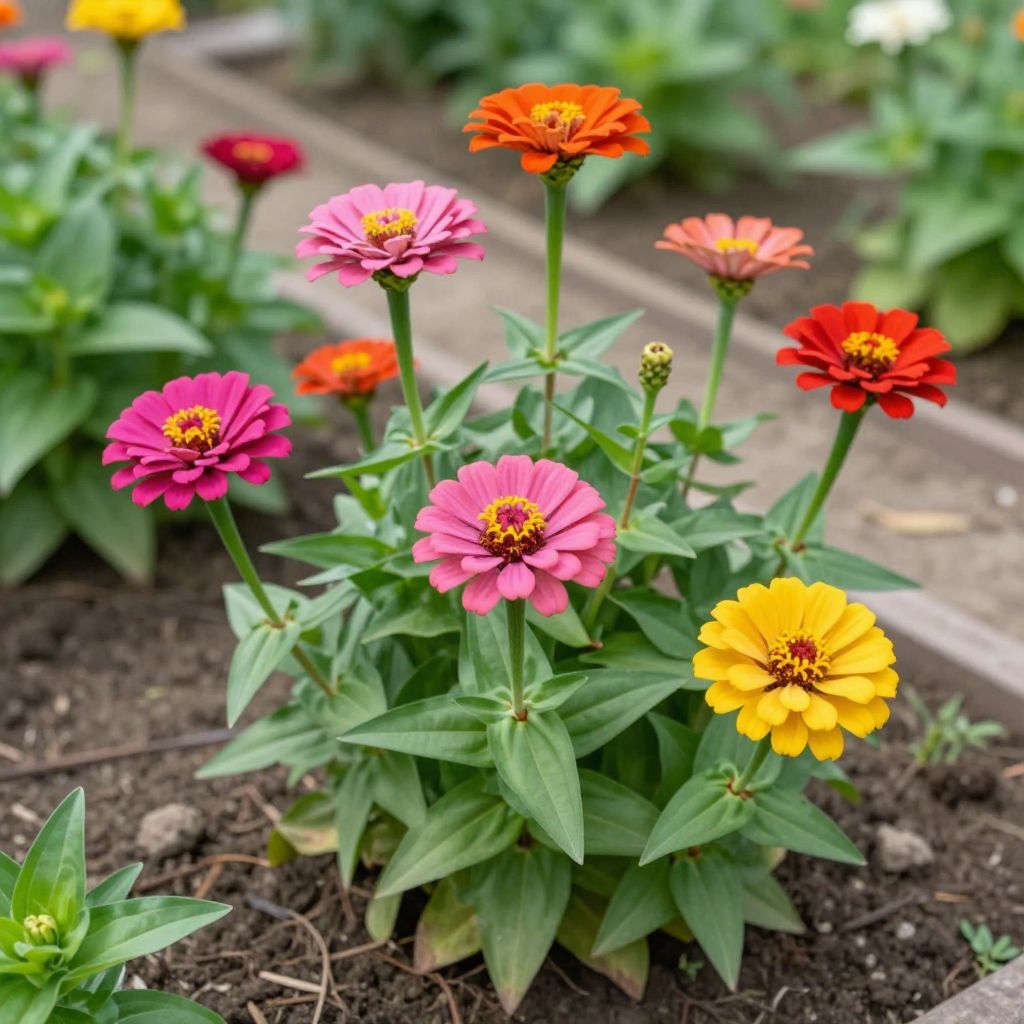
Are zinnias annuals or perennials? In most gardens, zinnias are grown as annuals because they complete their life cycle in one season and are not frost-tolerant. In warm climates, they may self-seed and return from dropped seed, but the original plants usually do not survive winter.
If you want bright, long-blooming color with relatively easy care, zinnias are a great choice. Understanding their growth habit helps you plant them at the right time, keep them blooming longer, and decide whether to save seed or replant each year.
Are zinnias annuals or perennials?
Zinnias are tender annuals in most climates. They grow, flower, set seed, and die within one growing season, and frost will kill them. In frost-free or very mild regions, they may persist longer or reseed themselves, but they are not true perennials that reliably return from the same roots year after year.
Why zinnias are usually treated as annuals
Zinnias belong to a group of warm-season flowers that thrive in heat and full sun. Their natural growth cycle is fast and seasonal, which is why gardeners sow them after the danger of frost has passed and enjoy blooms until cold weather ends the display.
What “annual” means for zinnias
- Annual plants germinate, grow, flower, produce seed, and die in one season.
- Zinnias are not winter-hardy in most climates.
- Even if the plant looks healthy in late summer, a hard frost usually ends it.
- In some gardens, volunteer seedlings appear the next year from dropped seed.
Can zinnias survive as perennials anywhere?
Not in the true perennial sense. In tropical or frost-free climates, zinnias may behave like short-lived tender plants and continue blooming longer than they would in colder regions. Still, most gardeners should plan on replanting zinnias each year rather than expecting established clumps to come back.
How to grow zinnias for the best bloom season
Zinnias are easy to grow when they get warmth, sun, and good air movement. They perform best in well-drained soil and can be started from seed directly in the garden or in containers, depending on your climate and the length of your growing season.
Planting conditions zinnias prefer
- Sunlight: Full sun is best, ideally 6 to 8 hours or more each day.
- Soil: Fertile, well-drained soil is ideal.
- Moisture: Even moisture helps young plants establish, but soggy soil can cause problems.
- Air circulation: Good spacing reduces mildew and leaf spot issues.
Direct sowing vs. transplanting
Zinnias are often easiest from direct sowing because they dislike root disturbance. If you start them indoors, use small pots or cell trays and transplant carefully before roots become crowded.
- Wait until soil has warmed and frost danger has passed.
- Sow seeds about 1/4 inch deep in prepared soil.
- Keep the seedbed lightly moist until germination.
- Thin seedlings so mature plants have room to grow.
If you transplant them, handle seedlings gently and avoid disturbing the root ball. A stressed zinnia may pause growth or bloom less heavily for a while.
Soil, compost, and drainage tips
Zinnias do not need overly rich soil, but they do appreciate a balanced garden bed. Too much nitrogen can produce lush leaves and fewer flowers, while poor drainage can lead to weak growth and disease.
Preparing the bed
- Work in a moderate amount of compost before planting.
- Avoid heavy, waterlogged soil if possible.
- If your soil is dense clay, consider raised beds or improved drainage.
- Do not over-fertilize with high-nitrogen products.
A soil that drains well after rain is especially important. Zinnias prefer moist roots, not wet feet, and they often perform better in slightly leaner soil than in overly rich beds.
Watering and feeding zinnias
Young zinnias need regular watering while they establish, but mature plants are fairly drought-tolerant once rooted in. The goal is steady moisture without creating constantly wet foliage or saturated soil.
Watering best practices
- Water at the base of the plant when possible.
- Water deeply rather than giving frequent light sprinkles.
- Let the soil surface dry slightly between waterings.
- Adjust for hot weather, wind, container size, and rainfall.
Container-grown zinnias dry out faster than garden plants, so they may need closer attention. In hot weather, pots can require more frequent watering than in-ground beds, especially if they are in full sun.
Fertilizing without overdoing it
If your soil is average, a light compost amendment is often enough. If growth is weak and the soil is poor, use a balanced fertilizer sparingly and follow the label directions. Too much fertilizer can reduce flowering and encourage floppy stems.
How to keep zinnias blooming longer
Zinnias are known for steady summer color, but they bloom best when you keep them actively producing new flowers. Regular deadheading, proper spacing, and timely cutting all help extend the display.
Deadheading and cutting flowers
- Remove spent blooms before they set seed if you want more flowers.
- Cut stems above a set of leaves or side shoots to encourage branching.
- Harvest flowers often for bouquets to keep plants producing.
Many gardeners find that frequent cutting acts like deadheading. The more you remove faded blooms, the more energy the plant puts into new buds instead of seed production.
Pinching young plants
Pinching the growing tip when plants are young can create bushier growth and more stems. This is especially useful for taller zinnia types that may otherwise grow upright with fewer branches.
Common zinnia problems and how to fix them
Zinnias are generally straightforward, but they can run into a few common issues. Most problems are linked to wet foliage, poor spacing, low light, or stress from heat and drought.
Powdery mildew
Powdery mildew is one of the most common zinnia diseases, especially in humid weather or crowded beds. It appears as a white, powdery coating on leaves.
- Plant in full sun with good airflow.
- Space plants so leaves dry quickly after rain or watering.
- Remove badly affected leaves if needed.
- Clean up plant debris at the end of the season.
Leaf spot and rot
Spots on leaves or blackening near stems often point to excess moisture, poor drainage, or overhead watering. Improving airflow and watering at soil level can make a big difference.
Pests to watch for
- Aphids: Cluster on tender growth and can be washed off with a strong spray of water.
- Spider mites: More common in hot, dry conditions; leaves may look speckled or dusty.
- Japanese beetles or other chewing insects: May damage blooms and foliage in some regions.
Check plants regularly so you can catch problems early. Healthy, well-spaced zinnias usually recover better than stressed plants.
Saving seed and replanting next year
Because zinnias are annuals, saving seed is one of the easiest ways to grow them again. If you grow open-pollinated zinnias, you can collect seed from mature, fully dried flower heads at the end of the season.
How to save zinnia seed
- Let a few flowers remain on the plant until they dry fully.
- Cut the seed heads when they are brown and papery.
- Remove the seeds and let them dry for several more days indoors.
- Store in a cool, dry place in a labeled envelope or jar.
Keep in mind that if different zinnia varieties grew close together, the next generation may not look exactly like the parent plant. That is normal for many garden flowers.
Using zinnias in borders, beds, and containers
Zinnias are versatile and work well in cutting gardens, pollinator-friendly borders, and sunny containers. Their bright colors and upright stems make them especially useful where you want long-lasting summer impact.
Where zinnias fit best
- Mixed annual beds
- Cut flower gardens
- Pollinator plantings
- Large patio containers
- Sunny front borders
For containers, choose a pot with drainage holes and use a quality potting mix rather than garden soil. Container zinnias need more attention to watering and may benefit from occasional feeding if the mix is low in nutrients.
Quick answers to common zinnia questions
Will zinnias come back every year?
Usually no. In most climates, zinnias need to be replanted each year. They may reseed themselves in warm areas, but that is not the same as the original plant returning.
Do zinnias need full sun?
Yes. Full sun gives the strongest stems, best flowering, and fewer disease problems. In partial shade, zinnias often become leggier and bloom less.
Can you grow zinnias indoors?
Zinnias are not ideal long-term houseplants. They need intense light and warmth, so they are much better suited to outdoor beds, greenhouses, or very bright indoor growing setups for seedlings only.
Conclusion
If you were wondering, are zinnias annuals or perennials, the practical answer is that they are annuals in most gardens and should be replanted each year. Give them full sun, well-drained soil, and regular deadheading, and they will reward you with a long season of color. If you want to keep them going, save seed from your best plants and start fresh next season.
For more seasonal flower-growing help, you may also want to read about annual flower care basics and how to grow cut flowers in the garden.