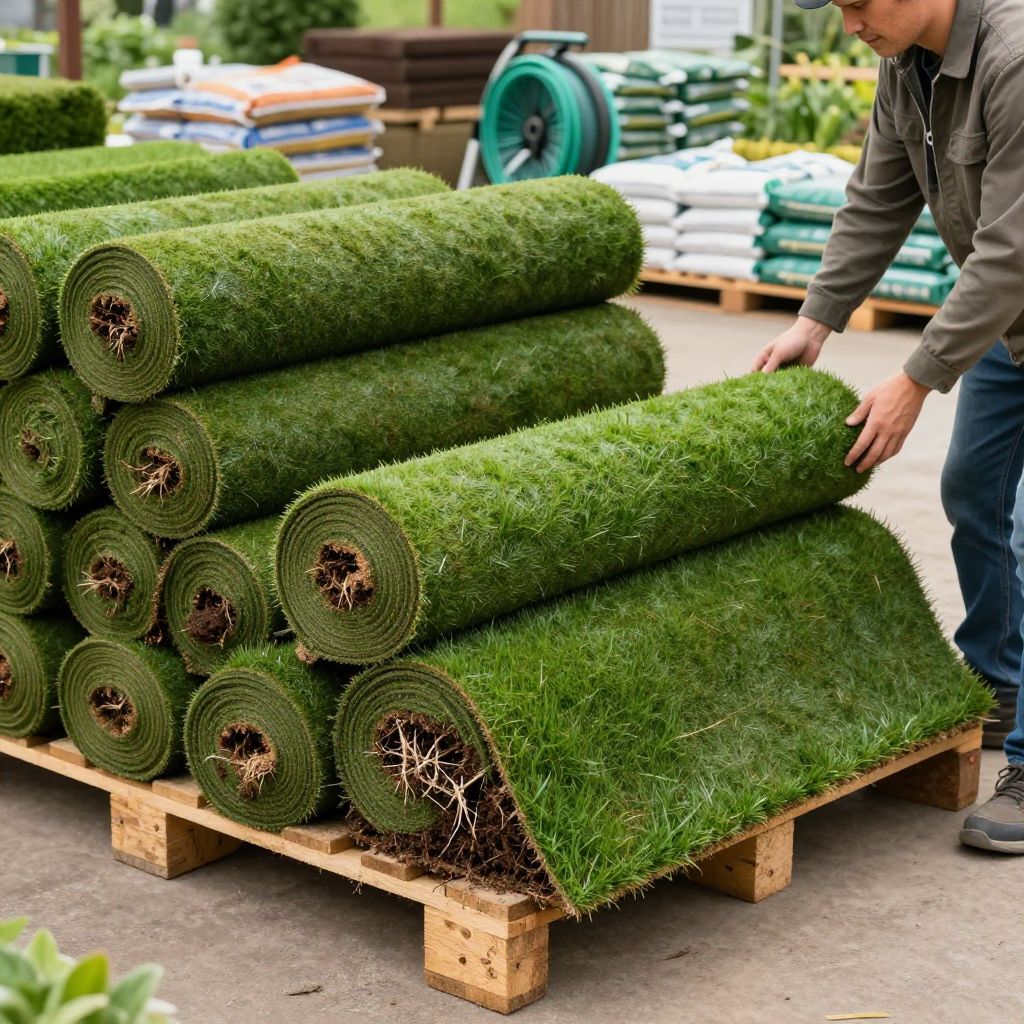
Looking for where to buy sod near me? The best place depends on your budget, how much sod you need, and whether you want fresh-cut turf, delivery, or help choosing the right grass for your yard.
You can usually find sod at local garden centers, landscape supply yards, turf farms, and some home improvement stores. The key is to buy fresh sod that matches your climate, sun exposure, and soil conditions, then install it quickly so it roots well.
Where to buy sod near me?
The best places to buy sod are local sod farms, landscape supply companies, garden centers, and big-box stores with lawn departments. For the freshest product, choose a nearby supplier that cuts sod to order or sells it within 24 hours of harvest, and ask which grass types perform best in your area.
Best places to buy sod locally
1. Sod farms and turf growers
Sod farms are often the best source if you want fresh, healthy turf and the widest selection of grass types. Because the sod is usually harvested close to pickup or delivery time, it tends to establish faster than older product.
Ask the farm what grasses they grow, whether they cut to order, and if they offer delivery. Many farms can also tell you which varieties handle shade, drought, heat, or heavy foot traffic better.
2. Landscape supply yards
Landscape supply businesses often sell sod alongside mulch, topsoil, compost, and stone. This can be convenient if you need materials for site prep at the same time.
These suppliers may carry multiple grass types and can often arrange bulk delivery. If you are installing a large area, this is often a practical choice.
3. Garden centers and nurseries
Local garden centers and nurseries may stock smaller quantities of sod, which is useful for patching damaged areas or repairing a small lawn. Staff may also help you match the sod to your yard’s light and soil conditions.
Selection can be limited, so call ahead before you drive over. Ask how long the sod has been on site and whether it has been watered properly.
4. Home improvement stores
Big-box stores can be convenient for quick purchases, especially for small projects. They may offer common turf grasses and sometimes special-order larger quantities.
Check the pallet carefully. Look for sod that is moist, green, and free of odor, yellowing, or dry edges. If the grass looks stressed in the store, it may struggle after installation.
How to choose good sod before you buy
Freshness matters more than almost anything else. Good sod should feel cool and slightly moist, not hot, brittle, or slimy.
- Check the roots: Healthy sod has a visible root mat that holds together when lifted.
- Look at the color: It should be evenly green, with only minor variation from harvest.
- Smell it: Sour, rotten, or ammonia-like odors can signal poor storage.
- Inspect the underside: Avoid sod with excessive weeds, bare spots, or insect damage.
- Ask the harvest date: Fresher is better, especially in warm weather.
If you are unsure, buy a small sample first or ask for a recommendation based on your sun exposure and soil type. A supplier that asks questions about your yard is usually a better bet than one that sells the same product to everyone.
Match the sod to your yard conditions
Sunlight and shade
Not all turf grasses perform equally in full sun, partial shade, or dense shade. Before you buy, observe how many hours of direct sun your lawn gets in summer and winter, since that changes across the year.
If your yard has trees or buildings casting shade, ask for a grass type known to tolerate lower light in your region. Even shade-tolerant sod still needs some light to stay dense and healthy.
Climate and regional fit
Choose sod suited to your local climate rather than the prettiest option on the pallet. Warm-season grasses and cool-season grasses have different growth habits, heat tolerance, and seasonal color patterns.
Your local supplier should be able to tell you which grasses are commonly used in your area. If they cannot, that is a good reason to keep shopping.
Soil and drainage
Sod can fail on poorly prepared soil even if the grass itself is excellent. Heavy clay, compacted ground, or standing water can slow rooting and invite disease.
If your yard drains slowly, ask about the underlying issue before laying sod. You may need to loosen the soil, add compost, improve grading, or fix drainage problems first.
What to ask before you place an order
When you search for where to buy sod near me, a few quick questions can save you money and frustration.
- What grass type or blend is this?
- When was it harvested?
- How should I store it before installation?
- Do you offer delivery, and what is the minimum order?
- Can you estimate how much I need for my square footage?
- Do you recommend any soil amendments for my site?
Measure your lawn before you call. Most suppliers can calculate how many rolls, pallets, or square feet you need if you give them accurate dimensions.
How to prepare the site before sod arrives
Good prep is the difference between a lawn that roots quickly and one that struggles. Sod should go onto a firm, level, well-prepared seedbed, not over weeds, debris, or loose clods.
Basic prep steps
- Clear weeds, rocks, sticks, and old grass.
- Loosen the top few inches of soil if it is compacted.
- Grade the area so water drains away from buildings.
- Work in compost if your soil is poor or very sandy.
- Rake smooth and lightly firm the surface.
- Water the soil lightly before laying sod if it is dry.
Do not install sod over dry, dusty soil or muddy ground. Either condition can reduce root contact and make establishment harder.
How to install sod correctly
Lay sod the same day it arrives whenever possible. If you must wait, keep it shaded and watered lightly so it does not dry out.
Installation tips
- Start along a straight edge such as a driveway or walkway.
- Stagger joints like bricks to reduce visible seams.
- Press pieces tightly together without overlapping.
- Trim edges with a sharp knife or sod cutter.
- Roll lightly if needed to improve soil contact.
After installation, water thoroughly so moisture reaches the soil beneath the sod. The goal is to keep the root zone evenly moist while roots begin to grow into the ground below.
Watering and early care after installation
New sod needs close attention during establishment. The exact watering pattern depends on weather, soil type, and the season, but the general rule is simple: do not let the sod dry out before it roots.
Check the edges and corners first, since they dry out faster than the center. If the sod lifts easily, it likely needs more moisture and more time to root.
Common early-care mistakes
- Walking on the lawn too soon
- Letting seams dry out
- Overwatering to the point of soggy soil
- Mowing before the sod has anchored
- Applying heavy fertilizer immediately without a soil-based plan
Wait to mow until the sod is rooted enough that a corner cannot be lifted easily. Use a sharp mower blade and avoid cutting too short on the first few mowings.
Common sod problems and how to troubleshoot them
Yellowing or browning patches
Patchy color can come from heat stress, poor watering, delayed installation, or underlying soil problems. If the sod was healthy when purchased but declines after planting, inspect the soil moisture and drainage first.
Seams that stay visible
Visible seams usually mean the pieces dried out, were installed with gaps, or have not yet knitted together. Keep the area evenly watered and avoid heavy traffic until growth fills in.
Spongy or loose sod
If sod feels loose after several days, the soil beneath may be too dry, too uneven, or not in close contact with the roots. Light rolling and careful watering can help, but severe grading issues may need correction.
Weeds and pests
Weeds can appear if the site was not cleaned well before installation. Insects and fungal issues are more likely when sod is stressed by heat, poor drainage, or overwatering.
Healthy turf, proper drainage, and correct mowing are your best defenses. If a problem spreads quickly, contact a local extension office or lawn professional for region-specific guidance.
Buying sod for small repairs versus full lawn replacement
For a small patch, local garden centers and nurseries are often the easiest source. For a full lawn, a sod farm or landscape supplier usually offers fresher product, better pricing, and delivery options.
If you are repairing only a section, try to match the existing lawn as closely as possible. Even a healthy new sod patch can stand out if the grass type or color is different.
Final tips for a successful sod purchase
When you search for where to buy sod near me, choose a supplier that offers fresh product, honest advice, and grass suited to your site. Measure your lawn, ask about harvest date and grass type, and prepare the soil before delivery so you can install quickly.
If you want to keep learning, look for related guidance on lawn soil preparation and new lawn care before you place your order. A little planning now will help your sod root faster and look better for longer.