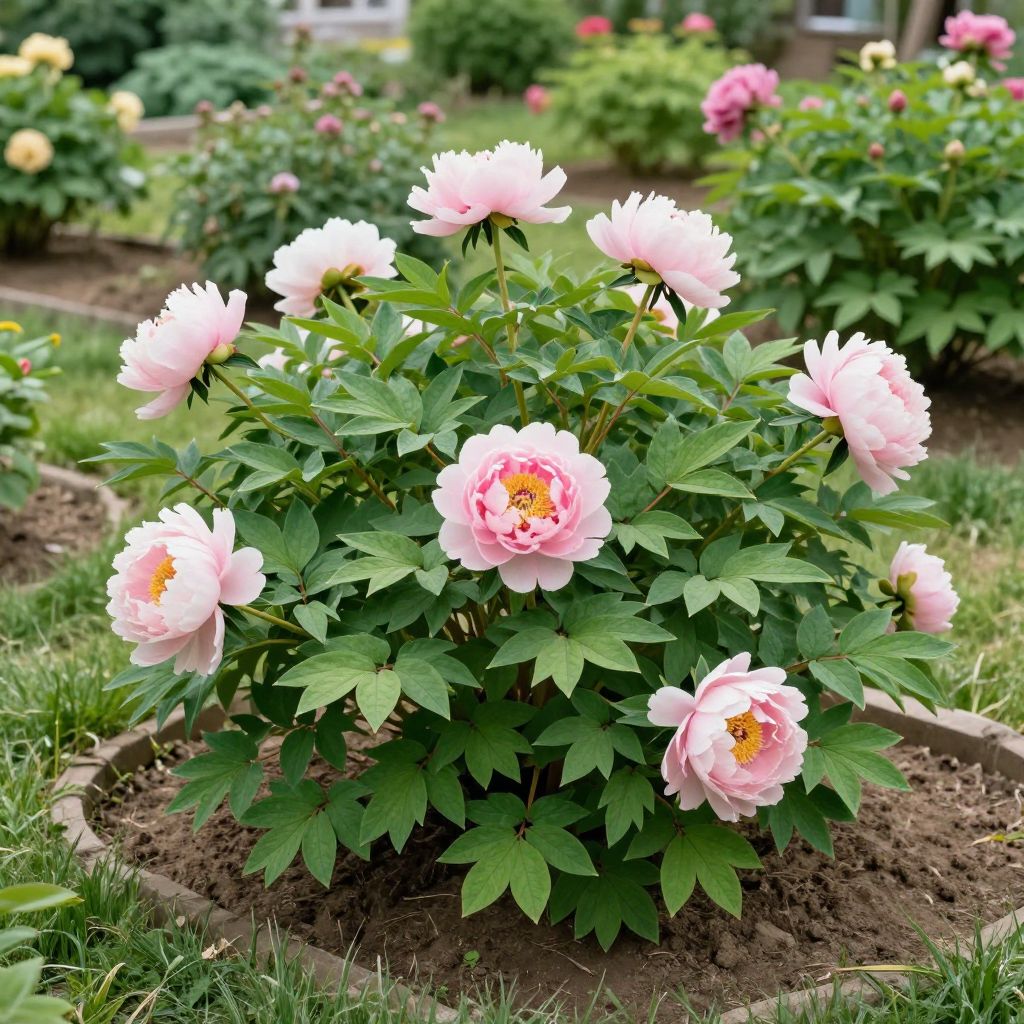
Are peonies perennials? Yes—peonies are long-lived perennial plants that come back year after year when they’re planted in the right spot and given good care. In fact, many peonies can thrive for decades with very little fuss once established.
The key is understanding that peonies are not quick, short-season flowers. They need patience at planting time, then they reward you with reliable spring blooms, sturdy growth, and a long lifespan in the garden.
Are peonies perennials?
Yes. Peonies are true perennials, meaning the same plant returns each year from its roots, dies back above ground in fall, and regrows in spring. Herbaceous peonies, tree peonies, and intersectional peonies are all perennial, but their growth habits differ. With proper planting depth, sunlight, and drainage, peonies can live and bloom for many years.
What kind of perennial is a peony?
Peonies are perennial flowering plants in the genus Paeonia. Most home gardeners grow herbaceous peonies, which die back to the ground in winter, or tree peonies, which keep woody stems above ground. Intersectional or Itoh peonies are hybrids that combine traits of both.
Herbaceous peonies
These are the classic garden peonies many people know. Their stems disappear after frost, then new shoots emerge from the crown in spring.
Tree peonies
Tree peonies form woody stems that persist through winter. They still behave as perennials, but they do not die back to the ground the way herbaceous peonies do.
Intersectional peonies
Also called Itoh peonies, these are perennial hybrids with strong stems, large flowers, and a mound-like growth habit. They usually die back in winter like herbaceous peonies.
Where peonies grow best
Peonies do best in full sun, fertile soil, and excellent drainage. In hotter climates, a little afternoon shade can help flowers last longer. In cooler regions, full sun usually gives the strongest stems and best bloom.
Sunlight
- Give peonies at least 6 hours of direct sun daily.
- More sun usually means better flowering.
- Too much shade often leads to weak stems and few blooms.
Soil and drainage
Peonies dislike soggy soil. They perform best in loose, well-drained soil enriched with compost or other organic matter. Heavy clay can work if it is improved and the planting site does not stay wet.
- Choose a site where water does not pool after rain.
- Work in compost to improve soil structure.
- Avoid low spots where crowns may rot.
How to plant peonies for long-term success
Planting depth is one of the most important details for peonies. If the crown is buried too deeply, the plant may grow leaves but refuse to bloom. If it is planted too shallowly, roots can dry out or heave in winter.
- Pick a sunny, well-drained site.
- Loosen the soil and mix in compost.
- Set the peony so the eyes, or buds, are only about 1 to 2 inches below the soil surface in most climates.
- Backfill gently and water well.
- Mulch lightly, but keep mulch away from the crown.
Do not plant peonies too deep. This is one of the most common reasons a healthy-looking peony fails to flower.
Best time to plant
Fall is often the best time to plant bare-root peonies in many climates because the roots can settle in before spring growth starts. In some regions, early spring planting is also possible if the soil is workable. Local weather matters more than the calendar.
How to care for peonies through the seasons
Once established, peonies are relatively low-maintenance. Their main needs are sunlight, drainage, modest feeding, and cleanup at the right time of year. Avoid overwatering and overfertilizing, which can cause lush foliage but fewer flowers.
Watering
Newly planted peonies need regular moisture while roots establish. Established plants usually need water only during dry spells. Water deeply rather than lightly sprinkling the surface, and let the soil dry slightly between waterings.
- Water newly planted peonies more often during their first growing season.
- Water established plants during prolonged drought.
- Keep foliage as dry as possible to reduce disease risk.
Feeding
Peonies do not need heavy feeding. A light topdressing of compost in spring is often enough in fertile soil. If your soil is poor, a balanced slow-release fertilizer can help, but too much nitrogen may produce floppy growth and fewer blooms.
Mulching
A thin mulch layer can help conserve moisture and suppress weeds, especially around young plants. Keep mulch a few inches away from the crown so the plant does not stay too damp.
Why peonies sometimes stop blooming
Because peonies are perennials, many gardeners expect them to bloom every year. When they don’t, the problem is usually cultural rather than the plant “failing.” The most common causes are too much shade, planting too deep, immature plants, or recent disturbance.
Common reasons for poor bloom
- Too much shade: Peonies need strong light to flower well.
- Planted too deep: The buds may be buried below the ideal depth.
- Recently moved: Peonies often take a year or more to settle after transplanting.
- Too much fertilizer: Excess nitrogen can push leaf growth instead of flowers.
- Late frost or weather stress: Spring weather can damage buds in some years.
What to do
If a peony is not blooming, first check its sun exposure and planting depth. If the crown is buried too deeply, carefully lift and reset it in fall. If it is in shade, consider transplanting it to a sunnier site during dormancy.
Pruning and cleanup
Pruning peonies is simple, but timing matters. Herbaceous peonies should be cut back after frost has blackened the foliage, not while the leaves are still green and feeding the roots. Tree peonies need only light pruning, mainly to remove dead or damaged wood.
Herbaceous peony cleanup
- In fall, cut stems back to ground level after frost.
- Remove and discard diseased foliage to reduce overwintering problems.
- Do not compost infected plant material unless your compost system gets hot enough to break it down safely.
Tree peony pruning
Tree peonies usually need very little pruning. Remove dead stems and spent flowers, and shape lightly if needed. Heavy pruning can reduce flowering.
Common pests and diseases
Peonies are fairly tough, but they can still develop problems, especially in damp or crowded conditions. Good spacing, clean cleanup, and proper watering prevent many issues before they start.
Botrytis blight
This fungal disease is one of the most common peony problems. It can cause blackened shoots, moldy buds, or collapsing stems in cool, wet weather. Remove affected parts promptly and improve air circulation.
Powdery mildew
Powdery mildew may appear as a white coating on leaves late in the season. It is usually less serious than botrytis, but it can weaken the plant if severe. Avoid overhead watering and overcrowding.
Ants on peony buds
Ants are often seen on peony buds, but they are usually not harming the plant. They are attracted to the sugary bud secretions and do not need to be treated unless they become a nuisance.
Other issues
- Gray mold in wet weather
- Stem breakage from heavy blooms or storms
- Root rot in poorly drained soil
- Damage from digging animals in some gardens
How to divide or propagate peonies
Because peonies are long-lived perennials, they usually do not need frequent division. In fact, they often bloom best when left undisturbed. If you do need to move or divide one, do it during dormancy, usually in fall in many climates.
When to divide
Divide peonies only when necessary, such as when a plant has outgrown its space or needs relocation. Expect the plant to take time to recover and possibly skip bloom for a season or two afterward.
Basic division steps
- Lift the plant carefully with a garden fork or spade.
- Shake off or rinse away soil so you can see the crown and buds.
- Cut the crown into sections with at least 3 to 5 healthy buds each.
- Replant immediately at the correct depth.
- Water well and mulch lightly.
Use clean, sharp tools to reduce damage and disease spread.
Do peonies come back every year?
Yes, peonies come back every year when they are healthy and planted in a suitable site. Herbaceous peonies die back in winter, but their roots remain alive underground. In spring, new shoots emerge from the crown and repeat the cycle for many seasons.
That said, “coming back” does not always mean “blooming heavily every year.” Young plants may take a few seasons to mature, and stressed plants may bloom less until conditions improve.
Tips for keeping peonies healthy for decades
Peonies are famous for longevity, but they still benefit from a few simple habits. If you want them to remain productive, think long term and avoid unnecessary disturbance.
- Plant in a permanent location with enough room to mature.
- Give them full sun and good drainage from the start.
- Keep the crown at the proper depth.
- Water during dry periods, especially while young.
- Remove dead foliage in fall to reduce disease carryover.
- Resist the urge to divide healthy, established plants.
Using peonies in the landscape
Because peonies are perennial and long-lived, they work well as anchor plants in borders, foundation beds, and cottage-style gardens. Their spring flowers pair nicely with irises, catmint, alliums, roses, and other perennials that enjoy similar sunny conditions.
Choose a spot where the plant can stay for years without being crowded by aggressive neighbors or shaded by shrubs that will grow larger over time.
Conclusion
So, are peonies perennials? Absolutely. They are dependable, long-lived garden perennials that can reward you with beautiful blooms for many years if you plant them in sun, keep the soil well drained, and avoid burying the crown too deeply. If yours is not blooming, check depth and light first.
If you’d like to build a stronger perennial border, you may also want to read more about choosing the best sunny perennial plants and how to improve garden soil drainage.