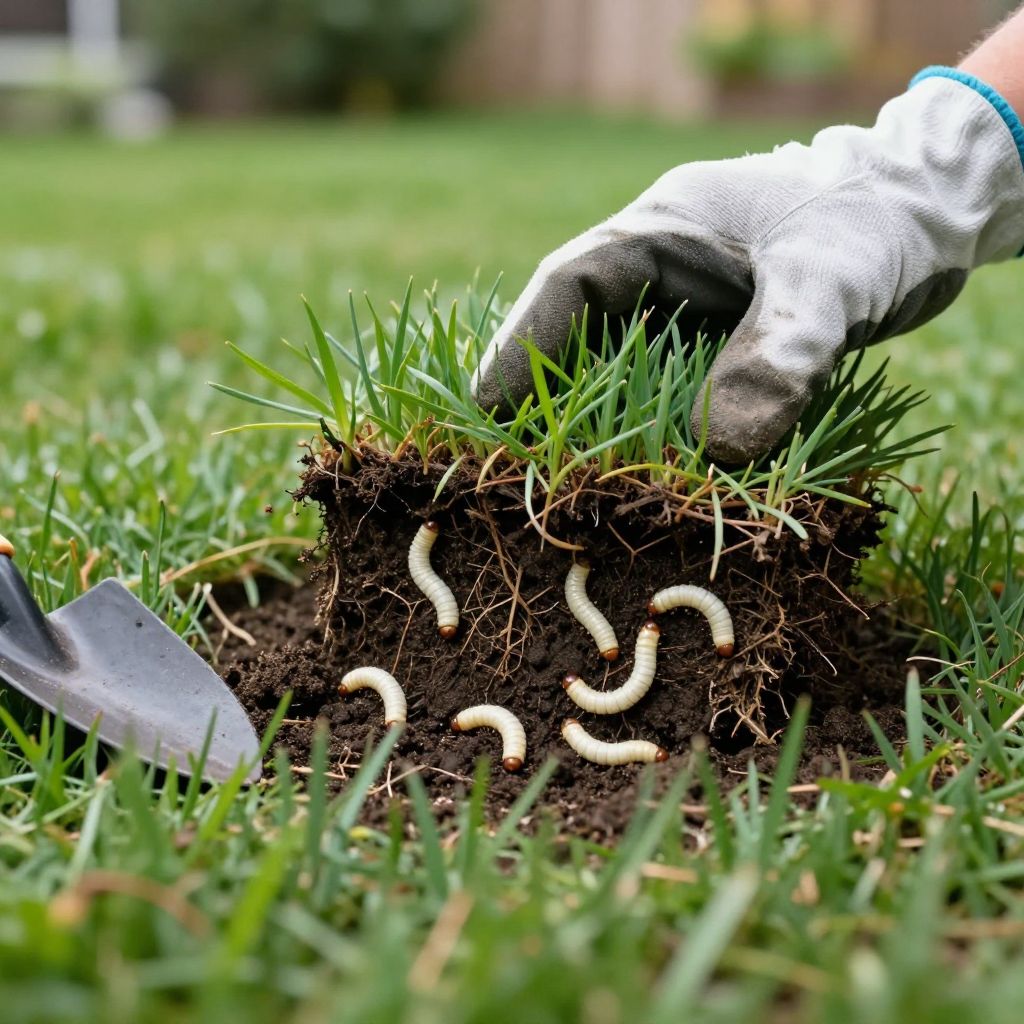
If you’ve noticed patches of grass thinning, plants wilting for no clear reason, or birds suddenly pecking at your lawn, you may be asking: what are grubs? In gardening, grubs are the immature, wormlike larvae of beetles that live in soil and feed on roots, bulbs, and organic matter.
Some grubs are harmless scavengers, but others can seriously damage lawns, beds, and potted plants. Learning how to identify them, tell them apart from beneficial soil insects, and manage them at the right time can save you a lot of frustration.
What are grubs?
Grubs are the larval stage of certain beetles, usually C-shaped, soft-bodied, and pale with a darker head. In gardens and lawns, the most troublesome grubs feed on roots underground, which can cause plants to yellow, wilt, or loosen in the soil even when the surface still looks healthy.
How to identify grubs in the garden
Most garden grubs share a few traits: a creamy white body, a brownish head, and six small legs near the front. They are usually found a few inches below the soil surface, especially in turf, compost-rich beds, or around stressed plants.
Common signs of grub damage
- Grass that turns brown or dies in irregular patches
- Turf that lifts easily like a loose carpet because roots have been eaten
- Wilting plants despite adequate watering
- Birds, skunks, raccoons, or moles digging in the lawn
- Seedlings that suddenly collapse or fail to establish
What grubs look like when you dig them up
- C-shaped body when disturbed
- Soft, segmented, creamy white body
- Brown head capsule
- Three pairs of legs near the head
- Size ranging from tiny larvae to larger, mature grubs depending on the beetle species
Not every white larva is a pest. Some beetle larvae live in compost or dead wood and help break down organic matter. The key is where you find them and whether plants are showing root damage.
Which grubs are harmful?
In lawns and ornamental beds, the most familiar pests are beetle larvae such as Japanese beetles, masked chafers, and June beetles. These species can feed heavily enough to weaken turf and some garden plants, especially when populations are high.
Helpful grubs versus damaging grubs
- Damaging grubs: feed on living roots, especially grass roots and tender plant roots
- Helpful larvae: may feed on decaying wood, compost, or other dead organic matter
- Mixed soil life: many gardens contain both beneficial and harmful insects, so identification matters
If you are unsure, dig carefully around the affected area and look at the plant roots. Healthy roots are firm and plentiful; grub-damaged roots may be sparse, chewed, or missing altogether.
How to check for grubs in your lawn or beds
A simple inspection tells you more than guessing from surface symptoms. Check areas that look stressed, especially where birds or animals are foraging.
- Use a spade or trowel to cut a square of turf or soil about 6 inches by 6 inches.
- Lift it back carefully and inspect the top 2 to 4 inches of soil.
- Look for C-shaped larvae near roots and for roots that have been clipped or eaten.
- Count the grubs you find and compare nearby healthy areas.
- Repeat in several spots, because grub damage is often patchy.
One or two grubs in a sample may not justify action. A larger number, combined with visible root damage, suggests a real problem worth managing.
Why grubs appear in gardens
Adult beetles lay eggs in soil, usually in grassy or mulched areas with suitable moisture. The larvae hatch underground and begin feeding on roots or decaying matter, depending on the species.
Conditions that can encourage grub problems
- Lawns with thin turf or poor root growth
- Overwatered areas with soft, attractive soil for egg-laying
- Long stretches of warm weather that support beetle activity
- Soils with lots of thatch or organic buildup in turf
- Neglected spots where beetles can lay eggs without disturbance
Healthy, well-rooted plants are less likely to suffer severe damage, even if grubs are present. Strong growth does not prevent infestation, but it helps plants recover more quickly.
How to manage grubs in the garden
The best approach depends on how many grubs you find, what they are feeding on, and how much damage is visible. Start with the least disruptive methods first, then escalate only if needed.
1. Improve plant and lawn health
- Water deeply but only when the soil begins to dry, rather than keeping it constantly wet
- Encourage deeper roots with proper mowing height and good soil structure
- Remove excess thatch in turf if it has built up over time
- Top-dress with compost where appropriate to improve soil biology and drainage
Healthy turf and garden beds are better at tolerating minor root feeding. Avoid overfertilizing, which can create lush, weak growth that is more attractive to some pests.
2. Hand-pick where practical
In small beds or containers, you can often remove grubs by hand while reworking the soil. This is most useful when you find only a few larvae during planting or transplanting.
- Inspect the root zone while dividing or replanting
- Remove visible grubs and drop them into a container of soapy water if appropriate for your pest-control approach
- Replace disturbed soil and water the plant back in
3. Use biological controls carefully
Some gardeners use beneficial nematodes to target certain grub species in moist soil. These microscopic organisms are most effective when applied under the right conditions and against the right pest, so read the product label carefully and match it to your grub problem.
Because timing and soil moisture matter, biological controls are usually more useful when you can confirm the pest species and apply them during the vulnerable larval stage.
4. Consider targeted treatments only when necessary
If grub numbers are high and damage is spreading, a targeted control may be justified. Choose a product that is labeled for the specific site and pest, and follow the label exactly.
Always read and follow the label. Labels tell you where a product can be used, how to apply it safely, and what conditions improve effectiveness. Avoid blanket treatments that may harm beneficial insects or waste money if grubs are not the true cause of the problem.
How to prevent grubs from coming back
Prevention is usually easier than rescue. Since grubs are linked to beetle egg-laying and soil conditions, your goal is to make the area less inviting and more resilient.
Good prevention habits
- Keep lawns dense and healthy with proper mowing, watering, and soil care
- Fix drainage problems so soil does not stay soggy for long periods
- Reduce unnecessary thatch in turf
- Inspect new problem areas early in the season, before damage spreads
- Use mulch thoughtfully in beds so it supports plants without creating hidden habitat for pests in excess
In many gardens, the best long-term solution is a strong growing environment rather than repeated rescue treatments.
Grubs in lawns versus grubs in beds and containers
Where you find grubs changes how you handle them. A lawn problem is often about root loss across a broad area, while a bed or container problem may affect a single plant more directly.
Lawns
In turf, grubs often show up as brown patches, thinning grass, and loose sod. The main concern is root loss, which can quickly lead to larger dead areas if ignored.
Flower and vegetable beds
In beds, grubs may be discovered during digging or transplanting. They can interfere with root establishment, especially in young plants and seedlings.
Containers
In pots, grubs are less common but can still appear in outdoor containers. If a potted plant is declining and the soil seems unusually disturbed or rootless, check the root ball carefully and repot into fresh mix if needed.
Common mistakes when dealing with grubs
- Assuming every brown patch is caused by grubs
- Treating without first checking for actual larvae
- Applying control measures at the wrong time of year
- Ignoring soil moisture and drainage issues that weaken plants
- Confusing beneficial soil insects with pests
Good diagnosis saves time and protects the rest of your garden. If the roots are healthy, look for other causes such as drought stress, compaction, disease, or mower damage.
When to take action
Act when you confirm grubs and see real plant damage, not just because you found a few larvae. A small number of grubs in healthy soil may not require intervention, but expanding damage, loose turf, or repeated root loss means the problem is worth addressing.
If you are unsure, compare affected and unaffected areas, then monitor the site over a few weeks. Early observation is often enough to decide whether the issue is minor or developing into a larger infestation.
Conclusion
What are grubs? They are beetle larvae that live in the soil, and in the wrong numbers they can damage roots, lawns, and garden plants. The most useful next step is to dig a small test patch, confirm whether grubs are present, and judge the level of root damage before deciding on control.
For more practical lawn and soil guidance, you may also want to read about lawn care basics and improving soil health.