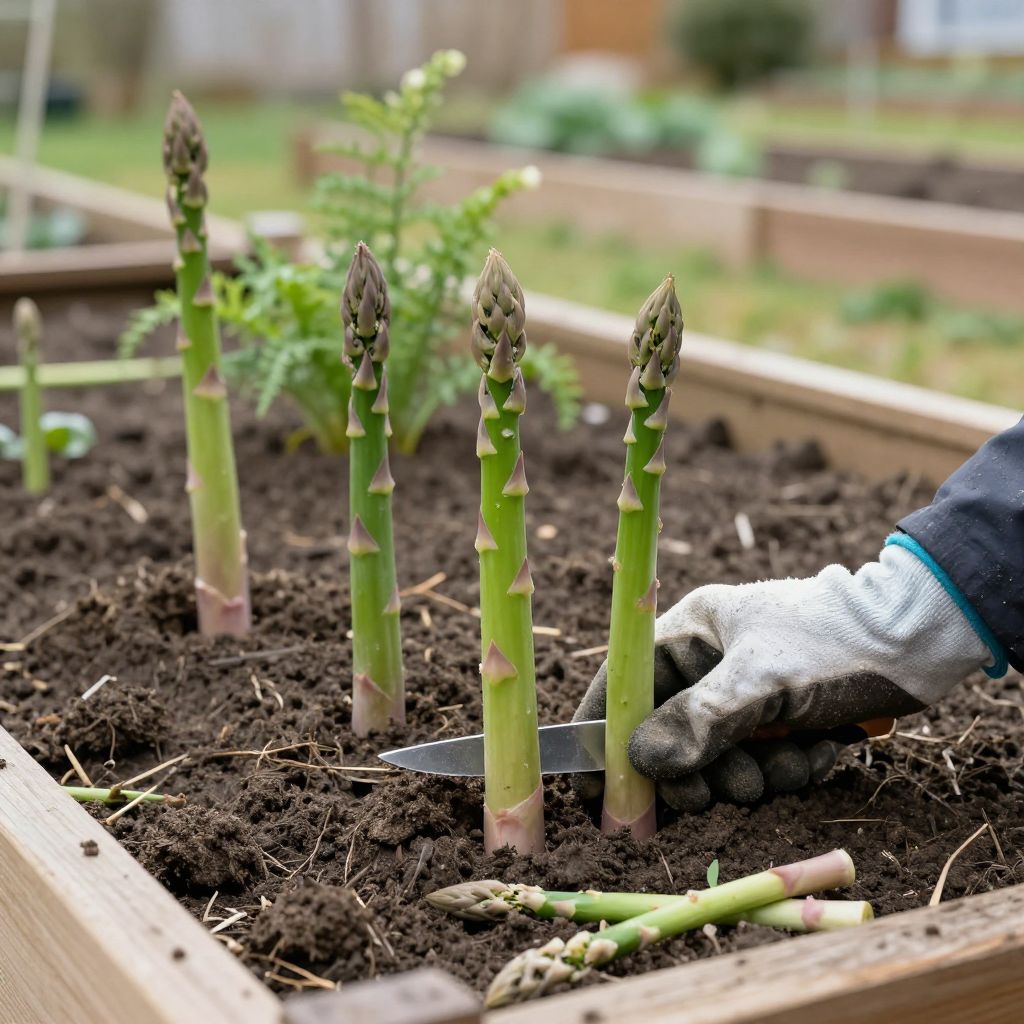
When is asparagus in season? For most gardeners, asparagus is a spring crop, with tender spears appearing for a short window as temperatures warm. The exact timing depends on your climate, variety, and how established your bed is, but the harvest usually lasts only a few weeks before plants are allowed to fern out and recharge for next year.
If you grow asparagus yourself, understanding the season matters just as much as knowing when to pick. Healthy crowns need several years to build strength, and the way you care for the bed in spring, summer, and fall affects both spear quality and future harvests.
When is asparagus in season?
Asparagus is typically in season in early to late spring, with harvest starting when soil temperatures rise and spears begin pushing through the ground. In many regions, that means roughly March through June, though warmer areas may start earlier and cooler climates later. The harvest window is short because plants need time to regrow leafy fern growth after picking.
How asparagus season changes by climate
Because asparagus responds to soil warmth and daylight, your local weather matters more than the calendar. In mild climates, spears may appear very early in spring. In colder regions, harvest may not begin until late spring, and in some years it can be delayed by a cold snap or wet soil.
What affects the first spears?
- Soil temperature: Spears emerge when the soil warms enough for active growth.
- Air temperature: Warm days and mild nights speed up spear production.
- Bed age: Mature plants produce earlier and more heavily than young plantings.
- Sun exposure: Full sun beds warm faster than shaded ones.
- Mulch and soil type: Heavy mulch and cool, wet soil can slow emergence.
If you are unsure about timing in your area, watch the bed rather than the calendar. Once spears begin appearing consistently, the harvest season has started.
How to know when asparagus is ready to harvest
Harvest asparagus when spears are 6 to 8 inches tall and about pencil-thick or thicker. Pick them before the tips begin to open and the spears become tough. Thin spears can still be edible, but very small spears are often better left to grow so the plant can build energy.
Signs the season is underway
- Spear tips are tight and compact.
- Spears grow quickly, sometimes several inches in a day.
- Multiple spears emerge from the same crown over a short period.
- Older spears begin to form ferny foliage if left uncut.
Once spear diameter starts shrinking and the bed produces fewer new shoots, the main harvest is usually winding down.
How long does asparagus season last?
The harvest season is usually brief, often 2 to 6 weeks for home gardens, depending on plant age and growing conditions. Young plantings should be harvested even less, while established beds can sometimes produce longer. The key is to stop cutting before the crowns are depleted.
Harvest length by plant age
- Year 1: Usually no harvest; let plants establish.
- Year 2: Very light harvest only, if at all, depending on plant vigor.
- Year 3 and beyond: A normal spring harvest window, limited to protect the crowns.
Overharvesting is one of the most common mistakes. If you keep cutting too long, next year’s crop can become weak and sparse.
Growing asparagus for the best seasonal harvest
Asparagus is a perennial vegetable that rewards patience. A well-prepared bed in full sun, with deep, fertile, well-drained soil, gives you the best chance of a strong spring crop year after year.
Best site and soil conditions
- Sunlight: Aim for full sun, at least 6 to 8 hours daily.
- Soil: Loose, deep, and well-drained soil is ideal.
- Organic matter: Compost improves structure and moisture balance.
- Drainage: Avoid waterlogged spots, which can rot crowns.
Before planting, loosen the soil deeply and work in compost. If your soil is heavy clay, consider raised beds or mounded rows to improve drainage and spring warming.
Planting crowns or seedlings
Most home gardeners start with one-year-old asparagus crowns, though seedlings are also possible. Plant crowns in spring as soon as the soil is workable, or follow your local climate’s best planting window for perennials.
- Dig a trench or planting hole in prepared soil.
- Set crowns with roots spread out and buds facing up.
- Cover with a few inches of soil and water well.
- Gradually fill in the trench as shoots grow.
Spacing matters. Crowns need room for long-term growth, so avoid crowding them with other vegetables or aggressive roots.
How to care for asparagus through the season
Seasonal care keeps spears tender and plants productive. The goal is to support spring growth, then let the foliage feed the crown for the rest of the year.
Watering
Water newly planted asparagus regularly so the roots establish deeply. Mature beds usually need less frequent watering, but they still benefit from consistent moisture during dry spells, especially while spears are forming and ferns are growing.
Try to keep the soil evenly moist, not soggy. Poor drainage can cause crown disease and weak growth.
Mulching
A light mulch helps conserve moisture and suppress weeds, but don’t bury emerging spears too deeply in spring. As the season progresses, mulch can help stabilize soil temperature and reduce competition from weeds.
Feeding
Compost is often enough for a healthy bed, especially if added in spring or after harvest. If growth is weak, a soil test is the best way to decide whether additional nutrients are needed. Avoid overfertilizing, which can produce lush but floppy growth and may not improve spear quality.
When to stop harvesting asparagus
Stop cutting spears when the bed begins producing thinner shoots, or when the harvest window has reached its normal limit for the plant’s age and vigor. A practical rule is to leave enough spears to grow into full ferny foliage so the crown can rebuild energy.
Why the fern stage matters
The fern-like stems that appear after harvest are not a sign the plant is finished. They are essential for photosynthesis, which helps the crown store energy for next spring’s spears. Cutting too many spears too late weakens the plant and reduces future yields.
Pruning and end-of-season care
After the growing season, let the foliage yellow naturally before cutting it back. This usually happens in fall after frost in colder regions or later in mild climates. Once the ferns are brown and dry, cut them down near ground level and remove debris.
Fall cleanup tips
- Remove dead fern stems to reduce overwintering pests and disease.
- Compost healthy foliage if your compost system gets hot enough.
- Add a layer of compost or mulch after cleanup.
- Keep the bed weed-free so crowns aren’t competing in spring.
Do not cut green ferns too early unless disease pressure is severe. Green foliage is still feeding the plant.
Common pests and diseases that affect the season
Pests and disease can shorten the asparagus season or weaken the bed over time. Catching problems early helps preserve spear quality and plant health.
Typical issues to watch for
- Asparagus beetles: They can scar spears and damage fern growth.
- Rust: A fungal disease that weakens foliage and reduces vigor.
- Crown and root rot: Often linked to poor drainage or overly wet soil.
- Weeds: Compete for water and nutrients, especially in young beds.
Good sanitation, airflow, and drainage are your best defenses. If disease has been a recurring problem, avoid replanting asparagus in the same spot immediately after removing an old bed.
How to extend or improve your asparagus season
You cannot make asparagus harvest last all summer, but you can improve spear quality and make the most of the season. Healthy crowns, good soil, and careful harvesting all help.
Practical ways to get better results
- Plant in a sunny, well-drained bed.
- Use compost to improve soil structure.
- Keep weeds out of the bed.
- Harvest only while spears are thick and vigorous.
- Let ferns grow fully after harvest.
- Refresh mulch and water during dry spells.
If you want a longer harvest in the future, focus on plant health this year. Strong crowns are the real key to a reliable spring crop.
Harvesting tips for tender spears
Cut or snap spears when they reach the right size and before the tips loosen. Use a clean knife or snap them by hand near soil level. Harvest in the morning if possible, when spears are crisp and cool.
Mistakes to avoid
- Waiting too long and letting spears become woody.
- Harvesting too many spears from young plants.
- Ignoring thin, stressed growth that signals the bed needs rest.
- Leaving weeds or debris around the crowns.
For a bed that has been productive for years, a short, disciplined harvest is better than a long one that weakens the plants.
Conclusion: timing asparagus season the smart way
When is asparagus in season? In most gardens, it is a spring crop with a short harvest window that begins as the soil warms and ends before the crowns are exhausted. Watch for sturdy spears, harvest lightly and promptly, then let the foliage grow so next year’s season is even better.
If you are planning a new bed or troubleshooting a weak one, you may also want to read more about how to prepare vegetable beds for perennial crops and composting for healthier garden soil.