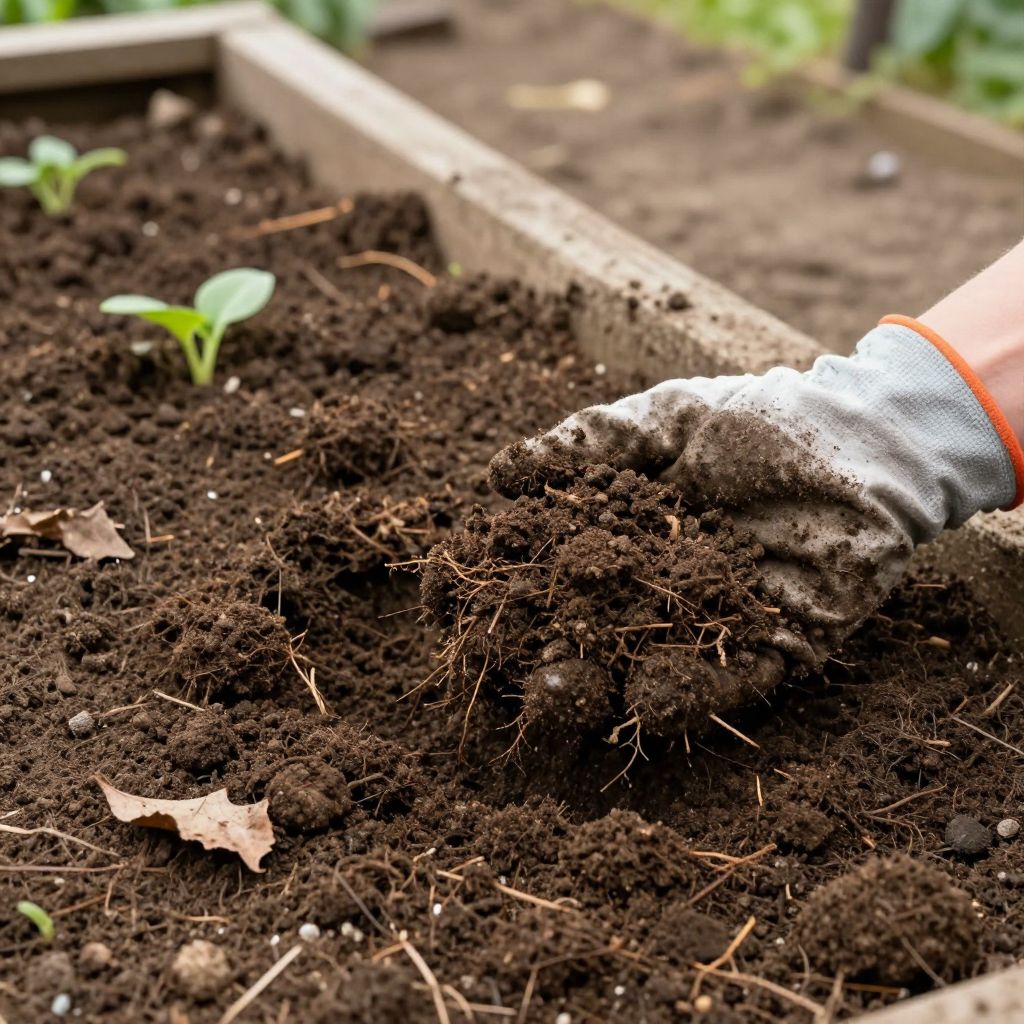
What is top soil, and how do you know if the bag or pile you’re looking at is actually good for your garden? Topsoil is the upper layer of soil, usually the top 2 to 8 inches, where most roots, organic matter, and soil life are concentrated. It’s the part of the ground that supports seed germination, root growth, and water movement.
For gardeners, topsoil matters because it can improve planting beds, lawns, borders, and raised beds when the native soil is poor. But not all topsoil is equal: some is rich and crumbly, while some is heavy, sandy, compacted, or low in nutrients. Knowing how to identify it helps you choose the right material and use it correctly.
What is top soil?
Topsoil is the biologically active uppermost layer of soil that contains more organic matter, microbes, and fine roots than deeper layers. Good topsoil should feel loose but not dusty, hold moisture without staying soggy, and support healthy plant growth when mixed with compost or used to level and build garden beds.
How to identify good topsoil
Good topsoil is dark to medium brown, crumbly, and slightly moist rather than wet or powdery. It should smell earthy, not sour or rotten, and it should contain some fine roots, small mineral particles, and organic matter without too much rubble, plastic, or construction debris.
Quick visual and touch test
- Color: Usually brown, sometimes darker if rich in organic matter.
- Texture: Crumbly and easy to break apart by hand.
- Moisture: Slightly damp is ideal; waterlogged topsoil can compact easily.
- Smell: Earthy and clean, not moldy or chemical.
- Debris: A few stones are normal; glass, metal, roots of invasive weeds, or trash are not.
Simple jar test for texture
If you want a rough idea of texture, place a small sample in a clear jar, add water, shake it well, and let it settle. Sand drops first, then silt, then clay. This won’t tell you everything, but it helps you see whether the topsoil is overly sandy, silty, or clay-heavy.
What topsoil is made of
Topsoil is a mix of mineral particles, organic matter, water, air, and living organisms. The best garden topsoil has enough sand, silt, and clay to hold structure, plus enough organic matter to feed microbes and improve moisture retention.
Main components
- Mineral particles: Sand, silt, and clay provide structure.
- Organic matter: Decomposed leaves, roots, and compost improve fertility and texture.
- Soil life: Earthworms, fungi, bacteria, and other organisms help cycle nutrients.
- Air and water spaces: These are essential for healthy roots.
Topsoil vs. garden soil vs. compost
These products are often confused, but they are not the same. Topsoil is a general-purpose upper soil layer, garden soil is often a blended product meant for beds, and compost is decomposed organic matter used to improve soil rather than replace it.
How they differ
- Topsoil: Best for filling, leveling, and improving existing soil.
- Garden soil: Usually a mix of topsoil, compost, and other amendments; useful in beds but quality varies.
- Compost: Best as an amendment to boost fertility and structure, not as a stand-alone growing medium for most plants.
If you’re planting directly into the ground, topsoil alone is rarely enough for long-term success. Mixing in compost usually gives better results because it improves drainage, nutrient availability, and soil biology.
When to use topsoil in the garden
Topsoil is useful when you need to build up low spots, repair damaged ground, create new beds, or improve thin or rocky soil. It’s also practical for lawn leveling, filling around foundations with care, and reshaping landscapes where the existing soil is too poor for planting.
Best uses for topsoil
- Filling shallow depressions in lawns or beds.
- Building the base of new garden beds.
- Improving planting areas before adding compost.
- Topdressing turf in thin or uneven spots.
- Supporting erosion repair on gentle slopes.
How to use topsoil correctly
The biggest mistake gardeners make is spreading topsoil over compacted ground and expecting plants to thrive. For best results, loosen the existing soil first, then add topsoil as part of a layered improvement plan rather than as a quick fix.
Step-by-step for garden beds
- Remove weeds, stones, and debris from the area.
- Loosen the existing soil with a fork or spade if it is compacted.
- Spread topsoil evenly over the area.
- Mix in compost where possible to improve structure and fertility.
- Rake smooth and water lightly to settle the surface.
- Mulch after planting to reduce evaporation and weed growth.
Step-by-step for lawn leveling
- Mow the lawn slightly lower than usual, but not scalped.
- Rake away thatch and loosen the surface in low areas.
- Apply a thin layer of screened topsoil, usually no more than about 1/2 inch at a time.
- Work it into the grass canopy so blades remain visible.
- Repeat in layers if deeper leveling is needed.
For deeper lawn repairs, avoid dumping a thick blanket of soil over the grass. Too much at once can smother turf, encourage rot, and create a hard layer that blocks air and water.
How much topsoil do you need?
The amount depends on the area and the depth you want to add. A shallow topdressing for lawns may only need a fraction of an inch, while a new bed might require several inches. Measure length and width, then multiply by desired depth to estimate volume.
Quick volume guide
- 1 cubic yard covers about 100 square feet at 3 inches deep.
- 1 cubic yard covers about 324 square feet at 1 inch deep.
Because topsoil settles, it’s wise to allow for a little extra if you are filling a bed or regrading an area. For large projects, ask the supplier whether the material is screened, because screened topsoil is usually easier to spread and level.
What good topsoil should and should not do
Healthy topsoil should support roots, drain reasonably well, and hold enough moisture for plants to use between waterings. It should not form a dense crust, stay muddy for days, or contain so much clay that roots struggle to breathe.
Signs of poor topsoil
- Very compacted and hard to dig.
- Strong sulfur, ammonia, or chemical smell.
- Large amounts of construction rubble or trash.
- Too sandy to hold moisture, or too clay-heavy to drain.
- Weed seeds or invasive roots throughout the mix.
Improving topsoil for better plant growth
Most garden soils benefit from amendment, even if the topsoil looks decent. Compost is the most useful addition for many home gardens because it improves structure, boosts microbial activity, and helps the soil hold water without becoming waterlogged.
Practical amendments
- Compost: Improves fertility and texture.
- Leaf mold: Helps sandy soils hold moisture.
- Well-rotted manure: Can add nutrients if fully composted.
- Mulch: Protects the surface after planting.
Work amendments into the top few inches of soil when possible. If you only spread them on the surface, they may help over time, but root zones improve faster when the material is blended into the planting layer.
Common topsoil problems and fixes
Problem: Water pools after rain
This usually means the soil underneath is compacted or clay-heavy. Loosen the subsoil if you can, add compost, and avoid working the area when it is wet. In severe cases, raised beds or drainage correction may be the better solution.
Problem: Soil dries out too fast
Sandy topsoil drains quickly and may need more organic matter. Add compost, use mulch, and water deeply rather than lightly sprinkling the surface. Container gardeners may need a different potting mix instead of ordinary topsoil.
Problem: Plants look weak despite “good” topsoil
The issue may be pH, compaction, poor drainage, or a lack of nutrients. A basic soil test can help you identify the real problem before adding more fertilizer or more soil.
Problem: Weeds keep appearing
Some topsoil contains weed seeds, especially if it was not screened or stored properly. Mulch the surface, remove weeds early, and avoid importing unknown soil from questionable sources.
Topsoil for raised beds and containers
Raised beds can use topsoil, but it usually performs best when blended with compost and other loose organic materials. Pure topsoil may be too heavy in a raised bed, especially if it contains a lot of clay. In containers, topsoil is usually a poor choice because it compacts and drains badly.
Best practice for raised beds
- Use a blend of topsoil and compost rather than straight topsoil.
- Keep the mix loose enough for roots and water movement.
- Refresh the surface with compost each season as needed.
For pots, use a container mix designed to stay airy. Topsoil is made for the ground, not for the confined, fast-drying environment of a container.
Seasonal considerations
Topsoil can be added in most seasons when the ground is workable, but timing matters. Avoid spreading or mixing soil when the ground is frozen, waterlogged, or extremely dry and hard, because you can create clods and compaction that are difficult to correct later.
In spring, topsoil is often used to refresh beds before planting. In autumn, it can help repair worn areas and prepare beds for the next season. In hot, dry weather, water the area after spreading soil so it settles and does not blow away.
Tools that make the job easier
- Garden fork or spade for loosening compacted ground.
- Rake for leveling and smoothing.
- Wheelbarrow for moving material.
- Measuring tape for estimating area and depth.
- Gloves and a dust mask if the soil is dry and dusty.
Conclusion
Topsoil is the productive upper layer of soil that supports roots, moisture, and soil life, but the best results come from using it wisely. Check texture, smell, drainage, and debris before you buy or spread it, then improve it with compost where needed. If you’re starting a new bed or fixing a tired one, test a small area first and build from there.
For more practical soil-building advice, you may also find it helpful to read about how to improve garden soil with compost and how to test soil drainage before planting.