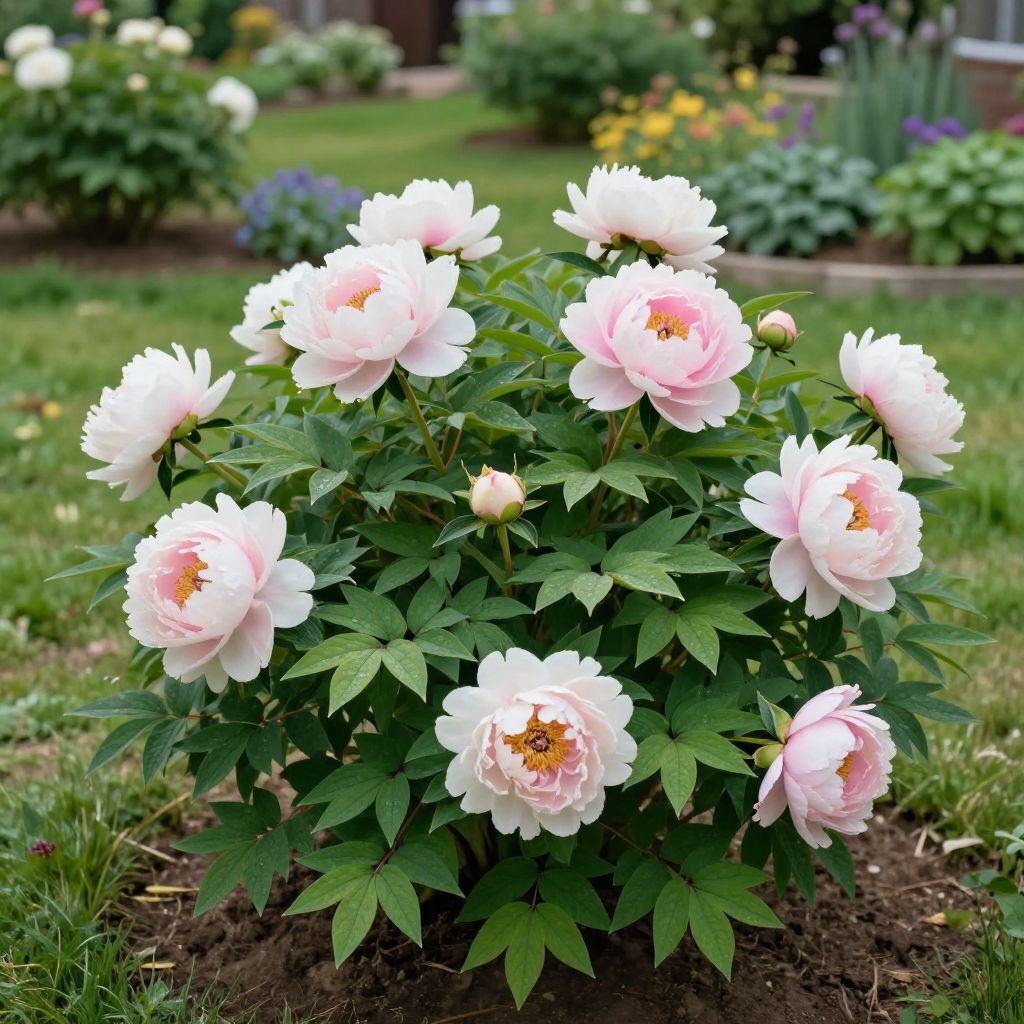
When are peonies in season? If you’re hoping for those big, fragrant blooms, the answer depends on your climate and the peony type you grow. Most garden peonies bloom in late spring to early summer, with the season often lasting only a few weeks for each plant.
That short bloom window is why timing matters so much. With the right site, soil, and care, you can enjoy healthier plants and a longer, more reliable display year after year.
When are peonies in season?
Peonies are usually in season from late spring into early summer, most often May and June in temperate climates. Tree peonies may bloom a little earlier, and some herbaceous peonies can flower later, especially in cooler regions or at higher elevations. The exact timing shifts with weather, variety, and local growing conditions.
What affects peony bloom time?
Peonies do not bloom on a fixed calendar date. Their season depends on temperature, daylight, plant age, and the type of peony you grow.
Climate and location
In warmer areas, peonies may open earlier, sometimes in April or early May. In cooler regions, bloom time may slide into June or even early July. A late spring frost can delay flowering or damage buds, while an early heat wave can shorten the bloom period.
Type of peony
- Herbaceous peonies are the classic garden peonies that die back to the ground in winter and bloom in late spring.
- Tree peonies usually bloom earlier than herbaceous types and keep woody stems above ground.
- Intersectional or Itoh peonies often bloom in late spring and can extend the season slightly because they flower a bit differently from standard herbaceous peonies.
Plant maturity
Young peonies often need time to settle in before blooming well. Newly planted divisions may produce only a few flowers at first, while established clumps usually flower more generously. If a peony is planted too deeply, it may grow leaves but refuse to bloom.
How to tell when peonies are ready to bloom
As spring progresses, peony buds swell and become round, firm, and often show color before opening. This stage is sometimes called the “marshmallow” stage because the buds feel soft but still hold their shape. Once buds begin to separate, blooms usually open within days, depending on temperature.
Signs your peonies are approaching bloom
- Buds are noticeably larger than a few weeks earlier
- Petal color is visible at the tips
- Stems are sturdy and upright
- Leaves are fully expanded and healthy green
If buds stay tiny and never develop, the plant may be too young, planted too deep, shaded too heavily, or stressed by poor drainage or competition from nearby roots.
Best growing conditions for strong peony flowering
Healthy peonies bloom best when they get full sun, rich but well-drained soil, and enough winter chill. Good growing conditions do not just improve bloom size; they help the plant store energy for the next season.
Sunlight
Give peonies at least 6 hours of direct sun a day, though in hotter climates, a little afternoon shade can help flowers last longer. Too much shade is one of the most common reasons peonies produce weak stems and few blooms.
Soil and drainage
Peonies prefer fertile soil that drains well. Heavy, waterlogged soil can rot roots and reduce flowering. If your soil is clay-heavy, improve it with compost and consider planting on a slight mound or raised bed to keep the crown from sitting in wet soil.
Spacing and airflow
Good airflow helps foliage dry faster after rain and lowers disease pressure. Crowded plants are more likely to develop fungal problems and may bloom less reliably.
How to plant peonies for better seasonal blooms
If you want peonies to bloom on time and bloom well, planting depth is critical. The eyes, or pinkish growth buds on herbaceous peonies, should usually sit just 1 to 2 inches below the soil surface in many climates. Planting too deep is a common reason for delayed or absent blooms.
- Choose a sunny site with well-drained soil.
- Dig a wide hole and loosen the surrounding soil.
- Mix in compost if the soil is poor, but avoid making the hole overly rich with only soft amendment.
- Set the roots so the eyes are shallow, not buried deeply.
- Backfill, water in well, and mulch lightly without covering the crown too heavily.
Important: If peonies are planted too deep, they may survive but fail to flower for years. If you suspect this problem, lifting and replanting at the correct depth can make a big difference.
Seasonal care to support peony bloom time
Peonies need relatively little fuss once established, but a few seasonal tasks help protect the bloom window and keep the plants vigorous.
Spring care
In spring, remove winter debris and check for emerging shoots. Water only if rainfall is lacking and the soil is drying out. Avoid heavy nitrogen feeding, which can push lush leaves at the expense of flowers.
During bloom
When flowers open, keep the soil evenly moist but not soggy. Large blooms can be weighed down by rain, so staking may help tall or double-flowered varieties stay upright. Cut spent blooms if you want the plant to look tidy, but leave the foliage intact.
After bloom
After flowering, the foliage keeps feeding the roots for next year’s display. Do not cut peonies back immediately after bloom unless a disease problem requires it. Let the leaves stay in place until they naturally yellow in fall.
Fall and winter
Once frost blackens the foliage, cut herbaceous peonies back to the ground and remove debris to reduce disease carryover. A light mulch can help moderate soil temperature, but keep it away from the crown.
Common problems that affect peony season
When peonies fail to bloom on schedule, the cause is often cultural rather than mysterious. Most issues can be corrected with patience and a few smart changes.
Too much shade
Peonies in shade may produce leafy growth but few flowers. If nearby trees or shrubs have grown larger over time, the peony may need more light or a new location.
Planted too deep
This is one of the top reasons peonies refuse to bloom. If you see healthy foliage but no flowers, check the planting depth in fall and replant shallowly if needed.
Too much nitrogen
High-nitrogen fertilizer can create soft, leafy growth and fewer buds. Use compost and balanced soil improvement instead of pushing the plant with strong feeding.
Frost or weather swings
A late frost can damage buds just before bloom. If cold weather is expected, cover plants lightly overnight with breathable frost cloth rather than plastic, then remove it in the morning.
Fungal diseases
Botrytis blight and other fungal issues can brown buds, blacken stems, or cause flowers to collapse. Improve airflow, water at the base, clean up debris, and remove affected tissue promptly.
Can you extend the peony season?
You cannot make one peony plant bloom for months, but you can stretch the overall season in your garden by choosing varieties with different bloom times. Early, midseason, and late-flowering peonies planted together can give you a longer display.
Simple ways to lengthen the display
- Plant a mix of early, midseason, and late peonies.
- Grow both herbaceous and tree peonies if your climate suits them.
- Site plants where they get morning sun and some afternoon relief in hot areas.
- Deadhead spent flowers to keep the garden neat, but leave foliage for plant health.
Cut flowers can also be harvested at the right stage for indoor use. For a longer vase life, cut buds when they feel soft and show color but are not fully open. Place stems in clean water immediately and keep them cool.
Practical pest and disease checks during peony season
Peonies are generally sturdy, but bloom season is when problems are easiest to spot. Check buds and stems regularly so you can act early.
Watch for these issues
- Ants on buds: Usually harmless. Ants are often attracted to the sugary coating on peony buds and do not need to be controlled unless they become a nuisance indoors.
- Botrytis blight: Brown, fuzzy, or collapsing buds and stems, especially in cool, wet weather.
- Powdery mildew: A white coating on leaves, more common in crowded or stressed plantings.
- Stem flop: Often caused by heavy flowers, rain, or insufficient sun.
Good sanitation matters. Remove diseased material from the garden rather than composting infected debris unless your compost system gets hot enough to break down pathogens safely.
What to do if your peonies are not blooming
If your peonies are healthy but flowerless, use a simple troubleshooting approach instead of guessing. Most bloom problems come down to one or more of the following:
- Check whether the plant gets enough sun.
- Confirm the crown is not buried too deeply.
- Review whether the plant is still young and establishing.
- Look for signs of rot, disease, or overcrowding.
- Consider whether nearby trees or shrubs are competing for light and moisture.
If the plant has been in place for several years and still does not bloom, a fall move may be worthwhile. Replant it in a sunnier, better-drained spot at the correct depth, and be patient while it reestablishes.
Conclusion: plan for peony season before spring arrives
When are peonies in season? For most gardens, the answer is late spring to early summer, with the exact timing shaped by climate, variety, and plant health. If you want better blooms, focus on sun, shallow planting, drainage, and steady but not excessive care.
Before next spring, check your peony’s planting depth and light levels, then note when buds begin to swell so you can enjoy the season at its peak. For more practical flower-growing guidance, you may also find helpful tips on perennial garden care and advice for growing flowering shrubs.