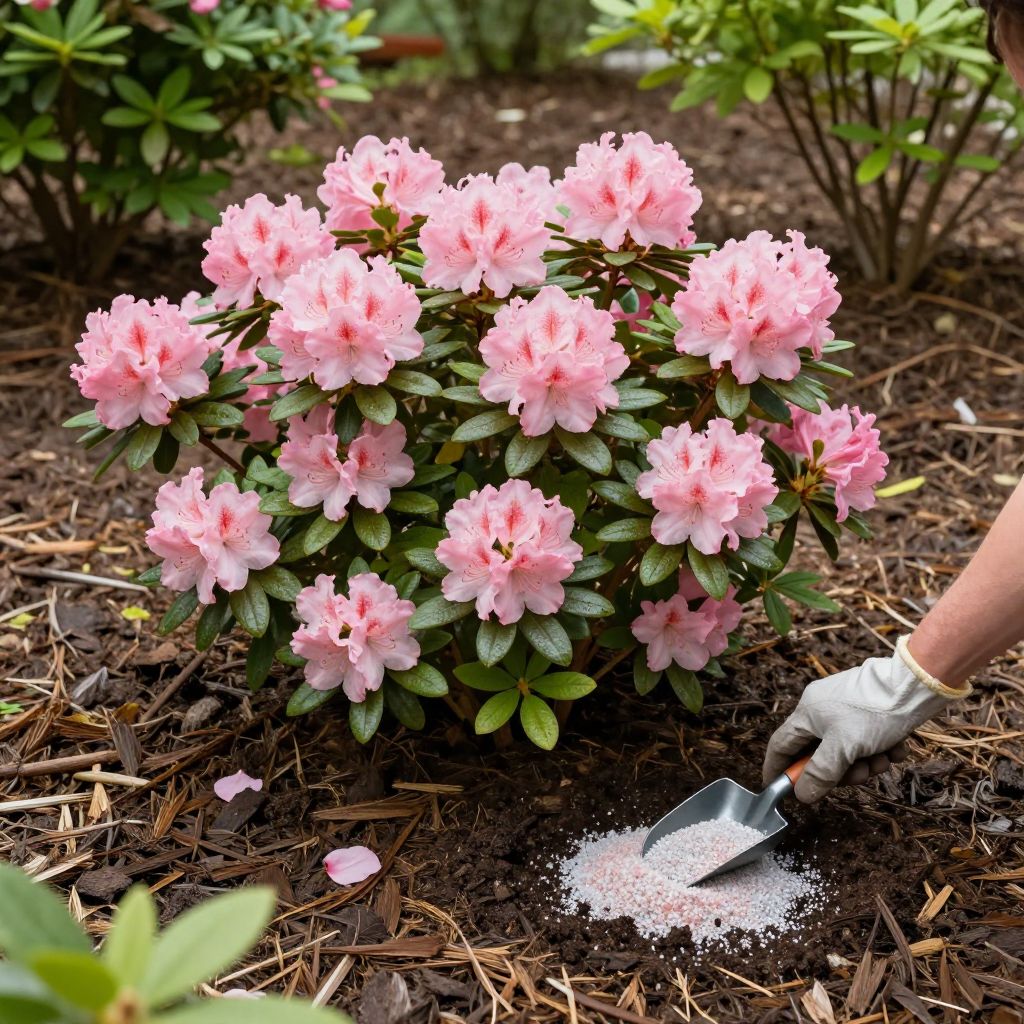
Wondering when to fertilize azaleas so you help blooms instead of harming them? The timing matters more than feeding often, because azaleas can be sensitive to heavy fertilizer and late-season growth. A light, well-timed feeding can support healthy leaves, buds, and roots without pushing soft growth that is vulnerable to stress.
The best schedule depends on your climate, soil, and whether your azalea is newly planted or established. In most gardens, the safest approach is to fertilize in early spring, and sometimes again lightly after flowering if the plant needs it.
When to fertilize azaleas?
Fertilize azaleas in early spring as new growth begins, just before or as buds open. If needed, give a second light feeding right after flowering, but avoid fertilizing late in summer or fall. Late feeding can trigger tender growth that may be damaged by heat, drought, or cold.
Why timing matters for azaleas
Azaleas are shallow-rooted shrubs that prefer acidic, well-drained soil and steady moisture. They do best with modest feeding rather than heavy fertilizing, because too much nitrogen can produce lush leaves with fewer flowers.
Good timing helps the plant use nutrients when it is actively growing. It also reduces the risk of root burn, salt buildup, and weak late-season growth.
What happens if you fertilize at the wrong time?
- Too early: Fertilizer may wash away before roots can use it, especially in cold soil.
- Too late: New growth may not harden off before winter.
- Too much: Leaves can scorch, and flowering may be reduced.
- Too often: Soil can accumulate salts, stressing shallow roots.
Best seasonal timing for azalea fertilizer
Early spring: the main feeding window
For most azaleas, early spring is the best time to fertilize. Wait until the soil is workable and the shrub is showing signs of active growth, such as swelling buds or fresh leaf growth.
If you garden in a colder region, that may mean later spring. In warmer climates, it may be earlier. The plant’s growth stage matters more than the calendar date.
After flowering: optional second feeding
If your azalea looks pale, grows slowly, or is planted in poor soil, a light feeding after bloom can help it recover and prepare for next year. This is most useful for established shrubs that have already finished flowering.
Skip the second feeding if the plant looks healthy, the soil is rich, or you are heading into hot weather. Azaleas do not need frequent fertilizer to perform well.
Late summer and fall: usually avoid
Do not fertilize azaleas late in the season unless a local expert recommends it for a specific soil problem. Late feeding can encourage soft growth that is more likely to be damaged by frost or winter wind.
How to tell if your azalea actually needs fertilizer
Not every azalea needs regular feeding. If the shrub is flowering well, has healthy green leaves, and is growing at a normal pace, it may not need much fertilizer at all.
Consider feeding only if you notice signs of nutrient stress and you have ruled out other causes such as poor drainage, drought, compacted roots, or alkaline soil.
Possible signs of low fertility
- Small, pale leaves
- Weak new growth
- Reduced flowering over time
- General decline in vigor despite proper watering
Problems that are not always fertilizer issues
- Yellow leaves with green veins: often linked to high soil pH, not just lack of nutrients
- Wilting in heat: may indicate dry soil or damaged roots
- Poor bloom: can result from pruning at the wrong time or too much shade
Choosing the right fertilizer for azaleas
Azaleas prefer fertilizers made for acid-loving plants, or a balanced, slow-release product suited to shrubs. The goal is steady nutrition, not a quick flush of growth.
Look for a product labeled for azaleas, camellias, rhododendrons, or other acid-loving plants. These formulas are often designed to support growth without overloading the plant with nitrogen.
What to look for on the label
- A product intended for acid-loving plants
- Slow-release or controlled-release nutrients
- Balanced nutrition rather than very high nitrogen
- Instructions that fit shrubs, not lawn fertilizer
What to avoid
- Lawn fertilizers with high nitrogen
- Heavy feeding products meant for fast growth
- Applying fertilizer directly against the trunk
- Fertilizing dry soil without watering first
How to fertilize azaleas safely
Apply fertilizer lightly and evenly around the root zone, not in one spot. Azalea roots are shallow and spread outward, so the feeding area should extend under the canopy and slightly beyond it.
- Water the shrub first if the soil is dry.
- Spread fertilizer evenly around the root zone, keeping it away from the stem.
- Work it lightly into the top layer of soil only if the product directions allow it.
- Water again to help move nutrients into the root zone.
- Mulch with pine bark, pine needles, or other acidic organic mulch if needed, but keep mulch off the stem.
Never pile fertilizer at the base of the plant. That can burn the crown and does not help the outer roots where azaleas feed most actively.
Growing conditions that affect fertilizing
Soil pH and nutrient availability
Azaleas grow best in acidic soil. If the soil is too alkaline, the plant may struggle to absorb iron and other nutrients even if fertilizer is present.
If leaves turn yellow while veins stay green, test the soil pH before adding more fertilizer. In alkaline soil, the real fix may be soil amendment or choosing a better planting site, not more feeding.
Drainage and moisture
Azaleas need moist but well-drained soil. Fertilizer is less effective in waterlogged soil because roots cannot function properly, and it can become more stressful during drought.
Mulch helps keep moisture even, but do not let mulch touch the stem. A 2- to 3-inch layer is usually enough for most landscape azaleas.
Sunlight and plant stress
Azaleas often bloom best with morning sun and afternoon shade, though exact needs vary by type and climate. Too much hot sun can stress the plant, making fertilizer less useful and increasing the risk of leaf scorch.
If your azalea is in deep shade, it may grow weakly and bloom poorly even with fertilizer. Light conditions matter just as much as feeding.
Special cases: newly planted, established, and container azaleas
Newly planted azaleas
New azaleas usually need little or no fertilizer at planting time if the soil was prepared well. In many cases, it is better to let the plant settle in first and fertilize only after you see healthy new growth.
Overfeeding a young shrub can stress roots before they are fully established.
Established azaleas
Older shrubs may benefit from one spring feeding and, if needed, a light post-bloom feeding. Established plants often need less fertilizer than gardeners expect, especially if they are mulched and growing in suitable soil.
Container-grown azaleas
Potted azaleas can use nutrients faster because container soil is limited and watering leaches fertilizer away. Use a diluted, acid-loving plant fertilizer and follow the label carefully.
Container plants may need feeding more often than landscape shrubs, but only during active growth. Avoid fertilizing a dry potting mix; water first so roots are not burned.
Pruning, deadheading, and fertilizing
Pruning and fertilizing work best together when timed correctly. Azaleas form next year’s flower buds after bloom, so heavy pruning too late in the season can reduce flowers.
If you prune, do it soon after flowering. Then, if the shrub needs it, apply a light fertilizer afterward so the plant can recover while still in its active growth phase.
Simple maintenance that improves feeding results
- Remove dead or damaged branches
- Keep mulch fresh but not piled against stems
- Water during dry spells
- Test soil if leaves stay yellow or growth is weak
Common mistakes to avoid
- Fertilizing on a fixed calendar date instead of watching plant growth and local weather
- Using too much fertilizer because the shrub looks slow
- Feeding late in the season
- Ignoring soil pH problems
- Applying fertilizer to dry soil
- Expecting fertilizer to fix poor drainage or deep shade
Troubleshooting poor azalea performance
Yellow leaves
Yellowing can mean nutrient deficiency, but it often points to alkaline soil or root stress. Check drainage, watering, and pH before adding more fertilizer.
Few or no blooms
Possible causes include too much shade, pruning at the wrong time, late feeding, or excess nitrogen. If the shrub is healthy otherwise, reduce fertilizer and focus on light and pruning timing.
Leaf scorch or browning
This can happen after overfertilizing, drought, or hot afternoon sun. Water deeply during dry periods and avoid further feeding until the plant recovers.
A simple azalea fertilizing plan
If you want a practical rule to follow, use this: feed once in early spring, then reassess after flowering. If the plant is healthy and blooming well, stop there.
If the shrub looks weak, soil is poor, or growth is slow, give a light second feeding after bloom. In most cases, that is enough for the year.
Conclusion
When to fertilize azaleas comes down to one main window: early spring, with an optional light feeding after flowering if the plant truly needs it. Avoid late-season fertilizer, use a product for acid-loving plants, and pay attention to soil pH, drainage, and moisture. If you are unsure, test the soil first and let the plant’s growth guide you.
For more help with acid-loving shrubs, you may also want to read about how to grow azaleas and testing and adjusting garden soil pH.