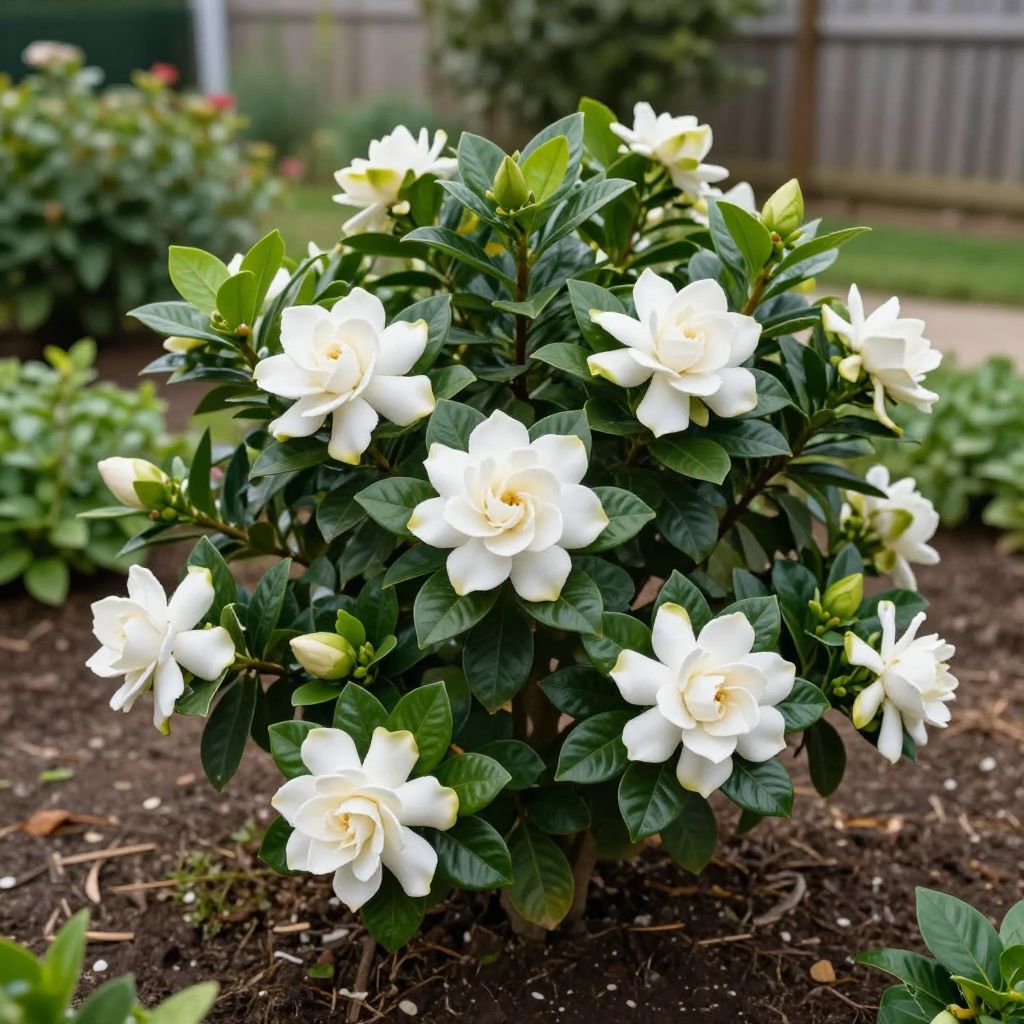
Wondering when do gardenias bloom in your garden? The short answer is that most gardenias flower from late spring into summer, with some varieties blooming again later in the season if conditions stay warm and healthy. Exact timing depends on your climate, plant age, sunlight, pruning, and how well the shrub is growing.
If your gardenia is not blooming on schedule, the issue is usually stress rather than age alone. Understanding its seasonal rhythm and care needs will help you get more reliable flowers.
When do gardenias bloom?
Gardenias typically bloom from late spring through early summer, though some varieties flower in waves from spring into fall. In warmer climates, blooms may open earlier and last longer; in cooler areas, flowering is often shorter and later. Healthy plants usually bloom best after they are established and growing in bright, filtered light.
What affects gardenia bloom time?
Gardenias are sensitive to growing conditions, so bloom timing can shift a lot from one garden to another. Temperature, light, soil quality, and plant stress all influence when buds form and whether they open successfully.
Climate and temperature
Gardenias prefer warm days and mild nights. A sudden cold snap, a late frost, or prolonged heat can delay blooming or cause buds to drop.
If you garden in a cooler region, expect bloom time to be later and shorter. In very hot climates, afternoon shade can help protect buds and extend flowering.
Sunlight
Gardenias bloom best with bright light and some protection from harsh afternoon sun. Too much shade can reduce flowering, while intense full sun can stress the plant and scorch leaves.
A good target is morning sun with light afternoon shade, especially in warmer areas. In cooler climates, more sun may be acceptable if the plant stays evenly moist.
Soil and pH
Gardenias need rich, well-drained, slightly acidic soil. If the soil is too alkaline, the plant may struggle to absorb nutrients, leading to yellow leaves and weak blooming.
Improving the soil with compost and using an acidic planting mix can help. Good drainage is essential because waterlogged roots often lead to bud drop and poor flowering.
Watering consistency
Uneven watering is one of the most common reasons gardenias fail to bloom well. Dry soil can cause buds to abort, while soggy soil can damage roots.
Keep the soil evenly moist, not saturated. Mulch helps stabilize moisture, especially during hot spells or windy weather.
How to encourage gardenias to bloom on time
If your gardenia is healthy but not flowering when expected, focus on the basics first. Most bloom problems improve when the plant gets the right balance of light, moisture, and nutrients.
- Check the light. Make sure the shrub is getting enough brightness without being baked by strong afternoon sun.
- Inspect the soil. Confirm that water drains freely and the root zone is not staying wet for long periods.
- Water consistently. Keep moisture steady through bud formation and flowering.
- Feed appropriately. Use a fertilizer made for acid-loving plants if your soil is deficient, but avoid overfeeding with nitrogen-heavy products.
- Avoid heavy pruning at the wrong time. Pruning after buds set can remove the flower display.
Pruning at the right time
Gardenias usually form flower buds on newer growth or on growth that has matured by bloom time, depending on the type. Prune lightly after flowering rather than just before the expected bloom period.
Remove dead, damaged, or crossing branches first. Heavy pruning can reduce the number of buds and delay the next flush of flowers.
Mulching for steadier blooms
A 2- to 3-inch layer of organic mulch helps keep roots cool and moisture levels more even. Keep mulch a few inches away from the stem to reduce rot problems.
Mulch is especially helpful in containers and in beds that dry out quickly. It supports steadier growth, which often means better flowering.
Why gardenia buds drop before opening
Bud drop is one of the most frustrating gardenia problems. The plant may look healthy at a glance, but buds can yellow, brown, or fall off before they open.
Common causes of bud drop
- Sudden changes in temperature
- Inconsistent watering
- Poor drainage
- Low humidity in hot, dry weather
- Root disturbance or transplant shock
- Pests such as aphids, whiteflies, or scale
To reduce bud drop, keep conditions as stable as possible once buds are forming. Avoid moving the plant, overfertilizing, or letting the soil swing from dry to soggy.
What to do if buds are failing
Start by checking the roots and soil moisture. If the plant is in a pot, make sure excess water can drain freely and the container is not sitting in a saucer of water.
Look closely at stems and leaf undersides for sticky residue, bumps, or tiny insects. Treat pest problems early, because stressed plants are less likely to hold buds.
Do gardenias bloom more than once?
Some gardenias bloom once in a strong spring flush, while others produce repeat flowers later in summer or early fall. Whether yours reblooms depends on the variety, local climate, and how long the growing season stays warm.
Repeat bloom is more likely when the plant is healthy, lightly pruned, and not under drought stress. Even reblooming types usually flower less heavily after the first big display.
Indoor vs. outdoor gardenias
Gardenias grown indoors can bloom, but they are often fussier than outdoor plants. Indoor light, humidity, and temperature swings have a big effect on bud formation and flower longevity.
Indoor growing tips
- Place the plant in very bright light, such as near a sunny window with filtered afternoon sun.
- Keep the air humid, especially in heated or air-conditioned rooms.
- Avoid cold drafts and heat vents.
- Rotate the pot occasionally so growth stays even.
- Water when the top layer of soil begins to dry, but do not let the pot sit in water.
Indoor gardenias often bloom best when temperatures stay fairly steady. Large swings between day and night can trigger bud drop.
How to tell if your gardenia is getting ready to bloom
Before flowers open, you may notice plump, rounded buds at the tips of stems or along mature growth. The buds should feel firm and look healthy, not shriveled or yellowing.
As flowering approaches, keep care steady. This is not the time for major pruning, repotting, or aggressive fertilizing.
Common mistakes that delay blooming
Many gardenias fail to bloom on time because of avoidable care errors. The good news is that most of these can be corrected without replacing the plant.
- Too much shade: The plant grows leafy but flowers poorly.
- Too much nitrogen: You get lush foliage with fewer buds.
- Poor drainage: Roots stay stressed and buds drop.
- Pruning too late: You remove next season’s flower buds.
- Inconsistent watering: Buds abort before opening.
- Alkaline soil: Nutrient uptake suffers, especially iron and other micronutrients.
Simple seasonal care calendar
Use the plant’s growth cycle to guide your care rather than relying on a fixed date. Local weather matters more than the calendar alone.
Late winter to early spring
Check for winter damage and lightly shape the shrub after the main bloom period if needed. Feed only if your soil or potting mix needs it, and avoid overdoing nitrogen.
Spring
Watch for bud development and keep soil moisture steady. This is often the beginning of the main bloom season.
Summer
Continue regular watering during hot weather, and provide protection from intense afternoon sun if needed. Deadhead spent flowers if you want the shrub to look tidy, but avoid heavy pruning.
Fall
In warmer climates, some gardenias may continue to bloom lightly. Reduce stress before cooler weather arrives and avoid encouraging soft new growth late in the season.
Final thoughts
When do gardenias bloom? Most bloom from late spring into summer, with some reblooming later if the plant stays healthy and conditions remain favorable. If yours is off schedule, focus on light, drainage, consistent moisture, and pruning timing. Check your plant this week for buds, soil moisture, and any signs of stress, then adjust care before the bloom window closes.
If you want to improve your gardenia care further, you may also find it helpful to read about garden soil and compost basics and how to prune flowering shrubs.