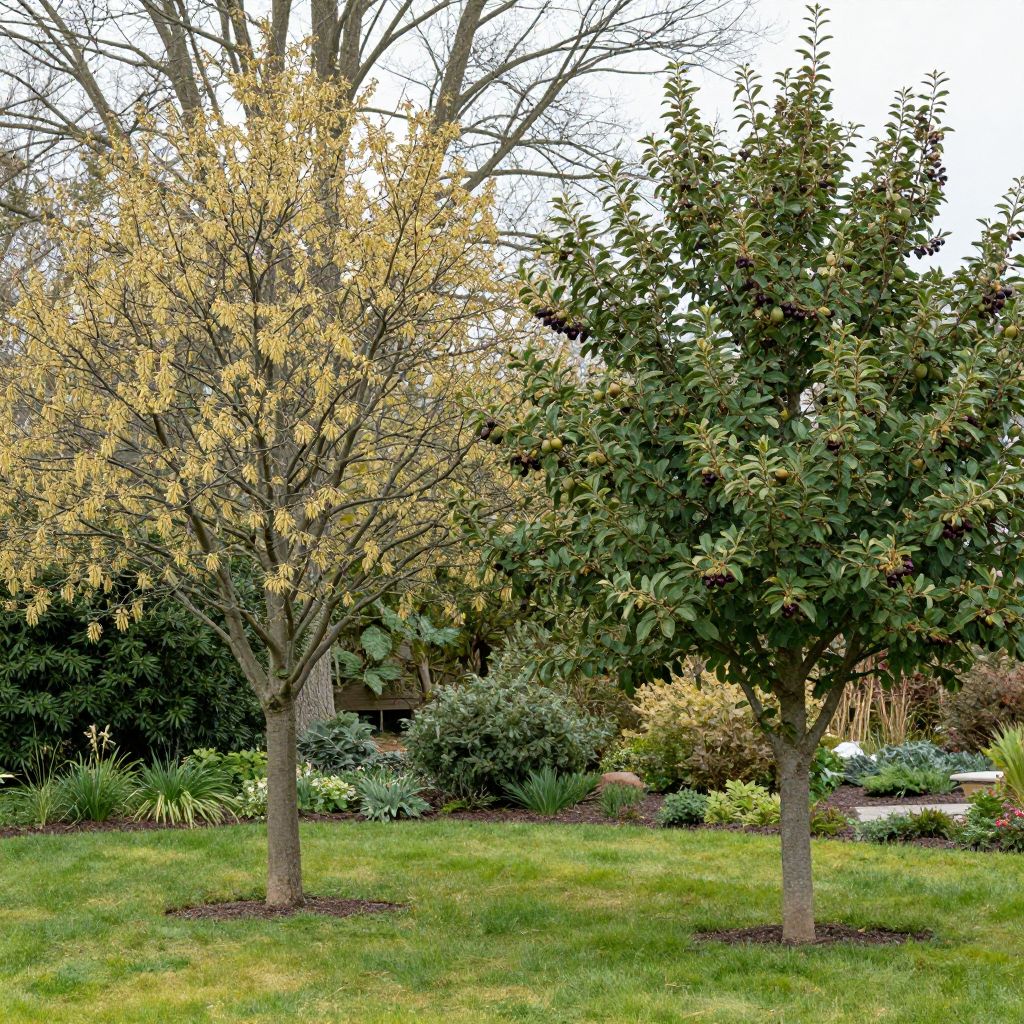
Are there male and female trees? In many cases, yes—but not all trees are strictly male or female. Some species have separate male and female plants, while others produce both flower sexes on the same tree. Knowing which type you have matters because it affects pollination, fruit set, and whether you need one tree or more than one for a harvest.
If your tree flowers but never fruits, or drops fruit too early, the answer may be in its sex and pollination needs. Below, you’ll learn how to tell the difference, which trees need a partner, and how to care for them so they grow well and produce as expected.
Are There Male And Female Trees?
Yes. Some tree species are dioecious, meaning individual trees are either male or female, while others are monoecious or have perfect flowers with both male and female parts on the same tree. In practical gardening terms, this determines whether you need one tree or several for pollination and fruit production.
Which Trees Have Male And Female Plants?
Not every tree follows the same pattern. Before you buy or plant, it helps to know which group your tree belongs to.
Dioecious trees: separate male and female plants
In dioecious species, one tree makes pollen and another makes seed-bearing flowers or fruit. Common examples include:
- Holly (Ilex spp.)
- Ginkgo (Ginkgo biloba)
- Willow (Salix spp.)
- Poplar (Populus spp.)
- Mulberry (Morus spp.) in many species and cultivars
- Asparagus is not a tree, but it’s a common example of separate male and female plants in the garden
Monoecious trees: both sexes on one plant
Some trees carry separate male and female flowers on the same tree. Examples include many oaks, walnuts, and birches. These trees may still need help from wind or insects to move pollen, but you usually do not need a separate male and female tree.
Perfect-flowered trees: one flower has both parts
Many fruit trees, such as apples, pears, peaches, and plums, produce flowers with both male and female parts. Even so, they may still need another compatible variety nearby for good pollination and fruit set.
How To Tell If A Tree Is Male Or Female
The easiest way is to identify the species first, then check whether it is dioecious, monoecious, or perfect-flowered. For many trees, sex is not obvious until they flower, and young trees may not show sex traits for several years.
Look at the flowers
Male flowers usually produce pollen and often appear in clusters or catkins. Female flowers may have a stigma or ovary that develops into fruit or seeds after pollination. On some species, the difference is subtle, so a close look or a good plant label helps.
Check the nursery tag or plant description
Nursery labels often say whether a tree is male, female, self-fertile, or needs a pollinator. This is especially important for holly, ginkgo, and fruit trees. If the label is missing, ask before you plant.
Wait for maturity if needed
Some trees do not reveal sex until they are older. That can be frustrating if you planted for fruit or berries, but it is normal. Be patient and focus on healthy growth while the tree establishes.
Why Tree Sex Matters In The Garden
Tree sex affects more than curiosity. It can determine whether your landscape gives you fruit, berries, seeds, or just shade and structure.
- Fruit production: Female trees may need pollen from a male tree or a compatible partner.
- Landscape mess: Female trees of some species can drop fruit, seeds, or sticky debris.
- Allergy concerns: Male trees of wind-pollinated species may release more pollen.
- Planting design: You may need to plan spacing and pollinator placement carefully.
For example, a female ginkgo tree produces smelly fruit, while a male ginkgo does not. On the other hand, if you want berries from a holly, you need a female plant and a nearby male pollinator.
Do You Need Both Male And Female Trees?
Sometimes yes, sometimes no. The answer depends on the species and your goal. If you want fruit or berries from a dioecious tree, you usually need both sexes. If you are growing a tree mainly for shade or foliage, you may prefer one sex over the other depending on the species.
When one tree is enough
You may only need one tree if it is self-fertile or has perfect flowers. Many fruit trees still benefit from cross-pollination, but some cultivars can produce fruit on their own, especially under good growing conditions.
When you need a pollinator
For dioecious trees and many fruiting trees, pollen must come from a compatible partner. Wind, bees, and other insects often do the work, but the trees must bloom at the same time and be close enough for pollen transfer.
How close should they be?
Spacing depends on the species and pollination method. In general, pollinators should be planted within the range recommended for that tree type, often somewhere in the same garden or nearby landscape. For fruit trees, local extension advice or nursery guidance is the safest source because compatibility varies widely.
Growing Conditions That Help Male And Female Trees Thrive
Good care matters just as much as tree sex. A stressed tree may flower poorly, set little fruit, or fail to establish well after planting.
Sunlight
Most flowering and fruiting trees need full sun for the best bloom and pollination. Some tolerate partial shade, but reduced light often means fewer flowers and weaker fruiting.
Soil and drainage
Plant in soil that drains well enough to keep roots from sitting in water. Many trees dislike compacted or waterlogged soil, which can lead to root stress and poor flowering. If your soil is heavy clay, improve the planting area with organic matter and choose a site with better drainage if possible.
Compost and soil preparation
Mixing a modest amount of compost into the planting area can help improve soil structure, especially in poor soils. Avoid overdoing it in the planting hole, since roots need to grow into the surrounding soil rather than stay in a rich pocket.
Watering
New trees need regular moisture while they establish, but the soil should not stay soggy. Water deeply, then let the top layer of soil begin to dry before watering again. Mature trees usually need less frequent watering, except during drought or heat stress.
Mulch
A 2- to 4-inch layer of mulch helps conserve moisture and moderate soil temperature. Keep mulch a few inches away from the trunk so the bark does not stay damp.
Pruning And Maintenance Tips For Better Flowering
Pruning can affect bloom and fruiting, so timing matters. Cutting too hard or at the wrong season may remove flower buds and reduce your harvest.
Prune with the tree’s flowering habit in mind
Some trees bloom on old wood, while others bloom on new growth. If you are unsure, prune lightly until you know how your tree flowers. Removing dead, damaged, or crossing branches is usually safe and helpful.
Avoid excessive nitrogen
Too much nitrogen can push leafy growth at the expense of flowers and fruit. Use fertilizer only if your soil test or plant symptoms suggest a need, and choose a balanced approach rather than overfeeding.
Support pollinators
Bees and other insects improve pollination in many species. Plant a diverse garden nearby, avoid unnecessary pesticide use during bloom, and provide water sources where appropriate.
Common Problems With Male And Female Trees
If your tree is not producing as expected, the issue may be sex, pollination, or growing conditions rather than disease alone.
No fruit or berries
- The tree may be male.
- The tree may be female but lack a compatible pollinator.
- Cold, wet weather during bloom may have reduced pollination.
- Too much shade or nitrogen may be limiting flowers.
Messy fruit or seed drop
Female trees of some species can create cleanup problems. If you are choosing a new tree for a driveway, patio, or sidewalk, check whether the female plant produces fruit, pods, or seeds that may drop heavily.
Insect and disease stress
Weak trees are more likely to suffer from aphids, scale, leaf spots, cankers, or root problems. Keep trees healthy with proper spacing, airflow, sanitation, and watering. If pests or disease are severe, identify the tree and problem before treating.
Propagation And Choosing The Right Tree
If you want a specific sex, choose carefully. Seed-grown trees may not reliably match the parent’s sex, while grafted or nursery-propagated trees are more predictable.
Buy labeled plants
For dioecious trees, buy from a reputable nursery that identifies male or female plants. This is the best way to avoid surprises years later.
Know your goal before planting
- For fruit or berries: choose the correct female plant and a compatible pollinator.
- For low-mess landscaping: choose a male plant when the species is known for messy female fruit.
- For wildlife value: female plants may provide fruit or seeds, while male plants can still support pollination.
Use grafted trees when available
Many fruit trees are grafted cultivars, which helps preserve known traits. That does not always guarantee self-fertility, so read the plant description carefully.
Quick Care Checklist
If you are planting or caring for a tree and wondering about sex, use this simple checklist:
- Identify the species accurately.
- Check whether it is dioecious, monoecious, or self-fertile.
- Confirm whether you need a male, female, or pollinator variety nearby.
- Plant in full sun unless the species prefers partial shade.
- Prepare well-drained soil with some organic matter if needed.
- Mulch and water deeply during establishment.
- Prune lightly and avoid overfertilizing.
- Watch for bloom timing, pests, and signs of stress.
Conclusion
So, are there male and female trees? Yes—some species have separate sexes, while others do not. The key is to identify your tree correctly and match its pollination needs with the right planting and care. If you are unsure what tree you have, start by learning its species and growth habits before making changes to your landscape.
If you want help identifying a tree before deciding whether it is male or female, you may also find this guide useful: what type of tree is this?